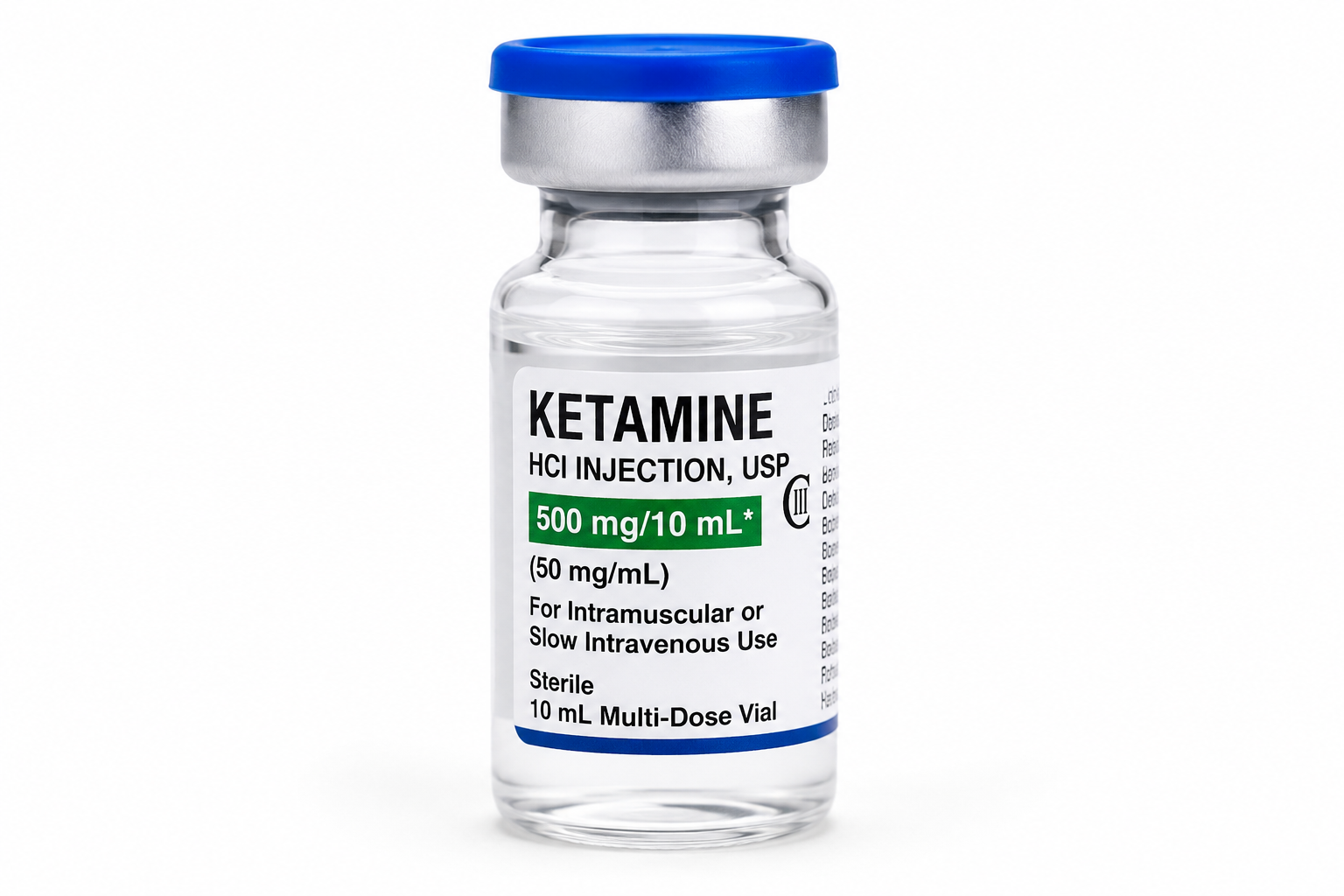
How much is ketamine is a common question among people exploring modern mental health treatments, especially those interested in ketamine-assisted therapy or medical use under clinical supervision. The answer is not fixed because costs vary widely depending on treatment type, location, and medical provider. This guide explains pricing, influencing factors, and what patients should expect in real clinical settings.
Understanding Ketamine in Medical Treatment
Ketamine is a dissociative anesthetic used in hospitals for decades. Today, licensed clinicians also use it in controlled doses for treatment-resistant depression, PTSD, anxiety disorders, and chronic pain conditions. This medical use differs significantly from recreational misuse and always requires professional supervision.
Clinics administer ketamine in two main forms:
- Intravenous (IV) infusion
- Intramuscular (IM) injection
- Nasal spray (in some regulated treatments)
Each method affects both the experience and the overall treatment cost.
How Much Is Ketamine in Clinical Settings?
How much is ketamine in a medical environment depends mainly on the type of therapy and the number of sessions required. In most clinical settings, patients do not pay for the drug alone but for the full treatment process, which includes medical supervision, staff time, equipment, and follow-up care.
Typical pricing ranges:
- IV ketamine infusion: $400 to $1,200 per session
- IM ketamine sessions: $250 to $800 per session
- Esketamine nasal therapy: $600 to $1,500 per treatment session (often higher due to clinic monitoring requirements)
Most treatment plans include multiple sessions over several weeks, which increases total cost significantly.
Factors That Influence Treatment Cost
Several factors affect how much is ketamine treatment overall:
1. Clinic Location
Urban clinics and private mental health centers usually charge more than smaller or rural practices. Higher operational costs increase patient fees.
2. Type of Treatment Program
Some clinics offer single-session care, while others provide structured programs that include therapy integration, psychiatric evaluation, and follow-up care.
3. Medical Supervision Level
Stronger monitoring protocols require more staff and equipment, increasing the total cost. High-quality clinics maintain strict safety standards, which adds value but also raises pricing.
4. Number of Sessions Required
Most patients need between 4 and 8 initial sessions. Some require maintenance sessions monthly or quarterly depending on their response.
5. Provider Expertise
Psychiatrists and specialized ketamine clinics often charge more due to advanced training and experience in mental health care.
Insurance and Payment Considerations
Insurance coverage for ketamine therapy varies. Some insurance providers cover esketamine treatments when prescribed for treatment-resistant depression. However, many IV or IM ketamine treatments are still considered off-label and may require out-of-pocket payment.
Patients often use:
- Health savings accounts (HSA)
- Flexible spending accounts (FSA)
- Clinic payment plans
Understanding coverage helps patients plan better financially before starting treatment.
Why Prices Vary So Widely
People often search how much is ketamine expecting a single number, but pricing varies because treatment is not just about medication. It includes:
- Medical evaluation
- Psychiatric assessment
- Monitoring during sessions
- Recovery supervision
- Integration therapy in some clinics
Each of these components contributes to the total cost and ensures patient safety.
What Patients Should Expect During Treatment
Before starting ketamine therapy, patients usually undergo a full medical screening. During sessions, a healthcare team monitors heart rate, blood pressure, and mental state.
A typical session includes:
- Pre-treatment consultation
- Controlled administration of ketamine
- 40–60 minutes of supervised experience
- Recovery period with monitoring
- Post-session discussion or integration support
These steps ensure safe and structured care.
Is Ketamine Treatment Worth the Cost?
When evaluating how much is ketamine, patients should also consider treatment outcomes. Many individuals with treatment-resistant depression report significant improvement after a structured program. However, results vary, and not everyone responds the same way.
The value of treatment depends on:
- Symptom severity
- Previous treatment history
- Access to integrated therapy support
- Consistency of the treatment plan
Choosing a Qualified Provider
Selecting a licensed and experienced provider is essential. Patients should look for:
- Board-certified medical professionals
- Clear safety protocols
- Transparent pricing
- Emergency support procedures
- Evidence-based treatment approaches
Avoid unregulated clinics or providers without medical oversight.
Final Thoughts
How much is ketamine depends on multiple clinical and logistical factors rather than a single fixed price. Patients should focus not only on cost but also on safety, provider quality, and long-term treatment outcomes. A structured medical approach offers the safest and most effective path for those considering ketamine-based therapies.
Conclusion
Understanding treatment pricing helps patients make informed decisions about mental health care. Always prioritize licensed medical providers and evidence-based treatment plans when exploring ketamine therapy options.
Call to Action:
If you are considering ketamine-assisted therapy, speak with a licensed medical or mental health professional in your area. A qualified provider can evaluate your condition, explain treatment options, and guide you through a safe care plan tailored to your needs.