Best At Home Ketamine Treatment: A Complete Guide to Safe and Effective Care
Best at home ketamine treatment has become one of the most talked-about options for people seeking fast, accessible support for depression, anxiety, PTSD, and chronic pain. As more patients look for convenient alternatives to in-clinic infusions, medically supervised home programs now offer structured care, virtual monitoring, and prescription delivery without sacrificing safety.
In this detailed guide, you will learn how at-home ketamine works, who qualifies, what to expect, and how to choose a trusted provider. We will also explain how ketamine interacts with the brain and why it has gained recognition in modern mental health treatment.
What Is Ketamine and Why Is It Used for Mental Health?
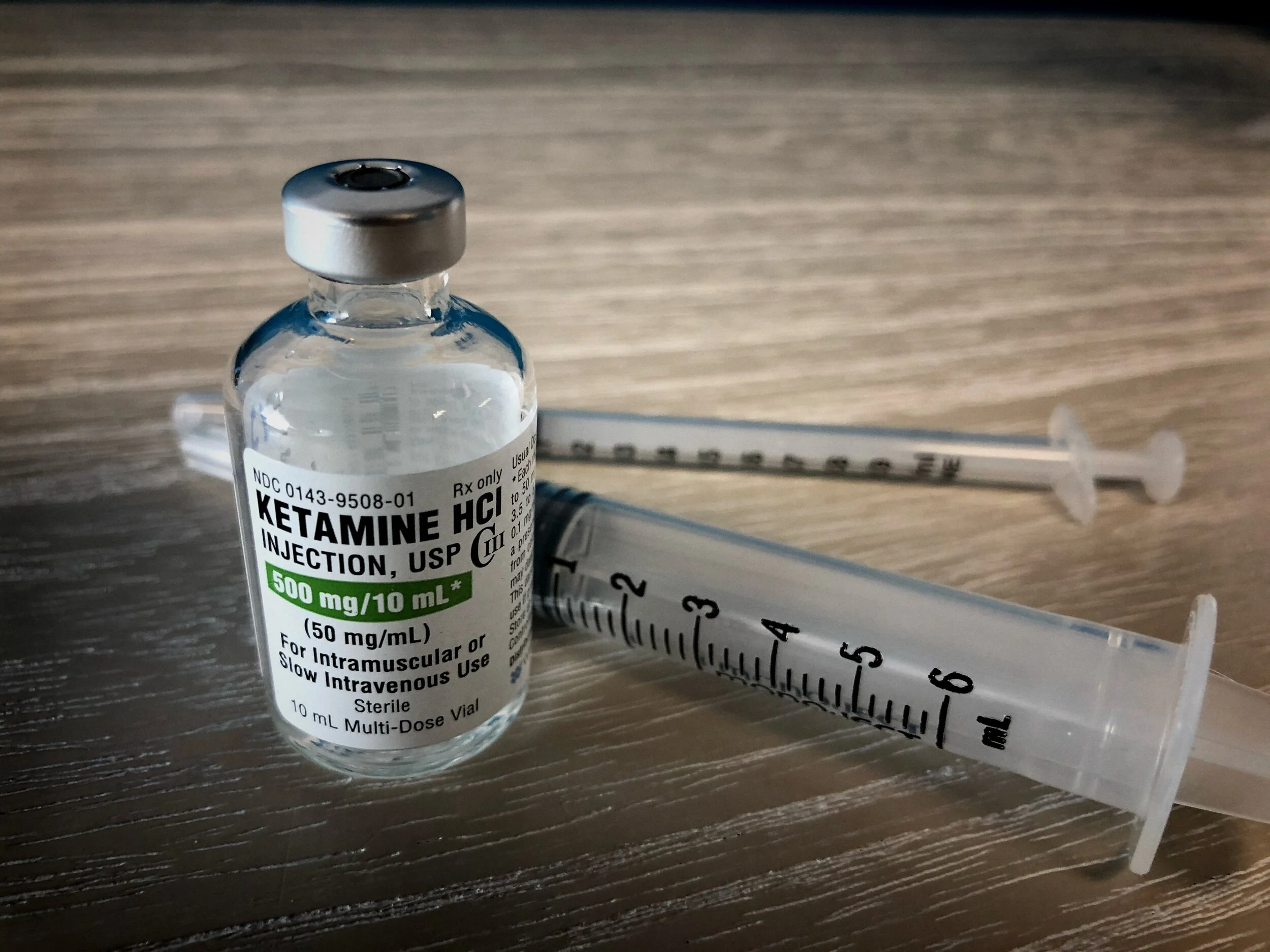
Ketamine first entered medicine in the 1960s as an anesthetic. Today, clinicians use it in lower doses to support individuals struggling with treatment-resistant depression, anxiety disorders, PTSD, and certain chronic pain conditions.
Unlike traditional antidepressants that often take weeks to work, ketamine targets glutamate pathways in the brain. This action helps stimulate neural growth and improve communication between brain cells. Many patients report noticeable mood improvement within hours or days.
The rapid response makes ketamine a promising option for people who have not found relief with SSRIs or other medications.
How Does At-Home Ketamine Treatment Work?
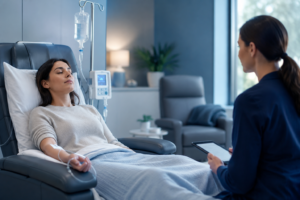
At-home programs follow a structured medical model. A licensed healthcare provider evaluates your medical history and mental health profile through telehealth consultations. If you qualify, the provider prescribes ketamine in a form suitable for home use.
Common formats include:
- Sublingual lozenges (dissolve under the tongue)
- Rapid-dissolve tablets
- Nasal formulations (in some supervised programs)
You take the medication according to a personalized schedule while remaining in a calm, safe environment. Many providers require a support person to stay nearby during sessions.
Virtual check-ins ensure your progress stays on track. Doctors monitor dosage, side effects, and symptom improvement throughout the program.
Who Is a Good Candidate?
The best at home ketamine treatment suits individuals who:
- Have treatment-resistant depression
- Experience persistent anxiety or PTSD
- Need flexible scheduling
- Prefer privacy during sessions
- Can follow medical supervision guidelines
However, ketamine does not suit everyone. Patients with uncontrolled high blood pressure, active psychosis, or certain substance use disorders may require alternative approaches. A thorough medical evaluation helps determine eligibility.
Benefits of Choosing At-Home Care
Many patients choose home programs for practical and emotional reasons.
1. Convenience
You avoid repeated clinic visits. Treatment fits into your schedule.
2. Comfort
Familiar surroundings reduce stress and allow deeper introspection during sessions.
3. Privacy
Home treatment removes the visibility of in-clinic appointments.
4. Accessibility
People living far from specialty clinics can still receive supervised care.
These advantages make remote care appealing while maintaining structured medical oversight.
Safety Considerations You Should Know
Safety remains the top priority in any ketamine program. Reputable providers include:
- Pre-treatment screening
- Clear dosing instructions
- Emergency contact protocols
- Ongoing mental health support
You should never purchase ketamine from unauthorized sources. Unregulated products can pose serious risks.
Medical supervision ensures proper dosage, reduces side effects, and improves long-term outcomes.
What Does a Typical Treatment Plan Look Like?
Although plans vary, most programs follow this structure:
Initial Evaluation
A provider assesses symptoms, medical history, and treatment goals.
Induction Phase
Patients complete several sessions over a few weeks.
Maintenance Phase
Follow-up sessions occur based on symptom response.
Providers often combine ketamine with psychotherapy. Integration sessions help patients process emotional insights and reinforce positive changes.
How Ketamine Supports Brain Health
Ketamine promotes synaptic plasticity. In simple terms, it encourages the brain to form new neural connections. Depression often disrupts these connections, leading to rigid negative thinking patterns.
By stimulating glutamate receptors, ketamine may:
- Improve mood regulation
- Reduce suicidal thoughts
- Increase emotional resilience
- Enhance cognitive flexibility
Researchers continue to study its long-term impact, but early findings show strong promise.
Comparing In-Clinic vs. At-Home Options
| Feature | In-Clinic Infusion | At-Home Program |
|---|---|---|
| Location | Medical facility | Your home |
| Supervision | On-site | Virtual + remote |
| Cost | Often higher | Often more affordable |
| Flexibility | Limited | More flexible |
Both methods offer benefits. Your personal comfort, budget, and health status will guide the best choice.
How to Choose a Reliable Provider
When researching programs, look for:
- Licensed medical professionals
- Transparent pricing
- Clear safety protocols
- Ongoing mental health support
- Verified patient reviews
A trusted provider will answer your questions openly and explain every step of the process.
Understanding Dosage and Monitoring
Each person metabolizes ketamine differently. Providers typically start with a conservative dose and adjust gradually.
You may experience:
- Mild dissociation
- Altered perception
- Emotional release
- Temporary dizziness
These effects usually fade within one to two hours. Following medical instructions minimizes discomfort and risk.
Never change your dosage without professional guidance.
Is At-Home Ketamine Effective?
Many patients report significant improvements in mood and daily functioning. Clinical research continues to support ketamine’s fast-acting antidepressant properties.
However, success depends on:
- Consistent follow-ups
- Proper integration therapy
- Honest communication with providers
- Commitment to mental health practices
When used responsibly, ketamine can serve as a powerful tool within a broader wellness strategy.
The Growing Demand for At-Home Solutions
Mental health awareness continues to expand. Telehealth platforms now allow patients to receive advanced treatments without geographic barriers.
As innovation evolves, more providers refine remote ketamine protocols to enhance safety and personalization. The best at home ketamine treatment combines modern technology with compassionate medical care.
Frequently Asked Questions
How quickly will I notice results?
Some patients report changes within hours. Others see gradual improvement after several sessions.
Is it addictive?
When prescribed and monitored properly, ketamine shows low addiction risk in therapeutic settings.
Do I need therapy alongside treatment?
Many experts recommend pairing ketamine with counseling for long-term stability.
Can I work the same day?
Most providers suggest scheduling sessions during downtime and avoiding driving for 24 hours.
Final Thoughts
The best at home ketamine treatment offers a structured, medically supervised pathway for individuals seeking rapid relief from persistent mental health challenges. With the right provider, patients can access safe care, personalized dosing, and ongoing support without leaving home.
If you or someone you love struggles with depression, anxiety, or PTSD, exploring supervised ketamine programs may provide a new direction toward healing.
Take the Next Step Toward Better Mental Health
If you want professional guidance about Ketacynpharma products and personalized ketamine solutions, contact our team today.
📞 Call Now: +1 531 400 1813
🌐 Product Campaign: Visit Ketacynpharma.com to explore trusted Ketacynpharma products
💬 WhatsApp: +1 (531) 400 1813
Our specialists are ready to answer your questions, discuss treatment options, and help you move forward with confidence. Reach out today and start your journey toward renewed well-being.