Understanding Migraines and Their Impact
Migraines are more than just severe headaches. They are a complex neurological condition that can cause intense, throbbing pain, nausea, vomiting, sensitivity to light and sound, and visual disturbances known as aura. Millions of people worldwide struggle with chronic migraines, often finding that traditional medications provide only temporary relief or fail to address the underlying condition.
As research into migraine treatment continues to evolve, ketamine therapy for migraines has emerged as an innovative option for individuals who have not responded well to conventional treatments. While ketamine is widely recognized for its role in anesthesia and mental health care, its potential to relieve chronic migraine pain is attracting growing attention from medical professionals and patients alike.
What Is Ketamine Therapy?
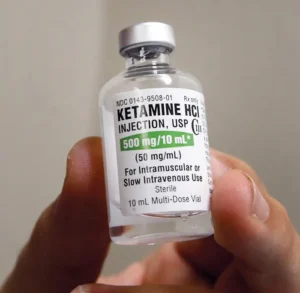
Ketamine is an FDA-approved anesthetic that has been safely used in medical settings for decades. In recent years, specialists have discovered that low-dose ketamine infusions may help manage several chronic pain conditions, including migraines.
Unlike traditional migraine medications that primarily target blood vessels or inflammation, ketamine works by blocking N-methyl-D-aspartate (NMDA) receptors in the brain. This action helps regulate pain signaling, reduces nerve hypersensitivity, and may interrupt the cycle of persistent migraine attacks.
Because of its unique mechanism, ketamine infusion therapy is increasingly being explored as an option for people living with treatment-resistant migraines.
How Ketamine Helps Relieve Migraines
The exact way ketamine reduces migraine symptoms is still being studied, but researchers believe it works through several important mechanisms.
Reduces Central Sensitization
Chronic migraines often involve an overactive nervous system where pain signals become amplified. Ketamine helps calm these overactive pathways, potentially reducing both the intensity and frequency of migraine attacks.
Interrupts Chronic Pain Cycles
For individuals with long-standing migraines, pain pathways can become “stuck” in a continuous cycle. Ketamine may help reset these pathways, providing relief even when other treatments have failed.
Improves Associated Symptoms
Many migraine sufferers also experience anxiety, depression, and sleep disturbances. Ketamine has demonstrated rapid antidepressant effects, which may indirectly improve overall migraine management and quality of life.
Who May Benefit from Ketamine for Migraines?
Ketamine therapy is generally considered for individuals who:
- Experience chronic migraines occurring 15 or more days each month.
- Have not responded to multiple migraine medications.
- Cannot tolerate the side effects of conventional treatments.
- Live with severe migraine-related disability.
- Have coexisting chronic pain, anxiety, or depression.
A qualified healthcare provider will perform a thorough medical evaluation to determine whether ketamine therapy is appropriate for each patient’s unique situation.
What to Expect During Ketamine Infusion Therapy
Ketamine treatment for migraines is typically administered through a carefully monitored intravenous (IV) infusion in a specialized medical clinic.
During the session:
- Vital signs are continuously monitored.
- The medication is delivered slowly over approximately 40 to 60 minutes.
- Patients remain comfortable under professional supervision.
- Mild temporary side effects, such as dizziness or a floating sensation, may occur but generally resolve shortly after treatment.
Some individuals notice improvement within hours or days, while others may require multiple sessions to achieve lasting migraine relief.
Potential Benefits of Ketamine Therapy
Many patients report meaningful improvements after undergoing ketamine treatment, including:
- Reduced migraine frequency.
- Lower pain intensity.
- Fewer emergency room visits.
- Decreased reliance on pain medications.
- Improved daily functioning.
- Better sleep and emotional well-being.
- Enhanced overall quality of life.
Although results vary, ongoing research continues to support ketamine’s potential role in chronic migraine management.
Is Ketamine Safe for Migraine Treatment?
When administered by experienced medical professionals, ketamine therapy is generally considered safe. Patients are carefully screened before treatment, and every infusion is monitored to minimize potential risks.
Temporary side effects may include:
- Mild nausea
- Dizziness
- Blurred vision
- Increased blood pressure
- Fatigue
- Dissociative sensations that typically disappear shortly after treatment
Individuals with certain medical conditions may not be suitable candidates, making a comprehensive consultation essential before beginning therapy.
The Future of Ketamine for Chronic Migraines
As scientific research continues to expand, ketamine is becoming an increasingly promising option for individuals with treatment-resistant migraines. While it is not considered a first-line therapy, many headache specialists now recognize its potential for patients who have exhausted conventional treatment options.
Clinical studies continue to investigate optimal dosing schedules, long-term effectiveness, and combination therapies that may further improve patient outcomes.
Final Thoughts
Living with chronic migraines can significantly affect every aspect of daily life, from work productivity to personal relationships. For individuals who have found little success with standard medications, ketamine therapy for migraines offers new hope. By targeting pain pathways in a unique way, ketamine may help reduce migraine frequency, ease chronic pain, and improve overall quality of life.
If you experience persistent or treatment-resistant migraines, consult a qualified healthcare provider to determine whether ketamine infusion therapy could be an appropriate part of your personalized migraine treatment plan.