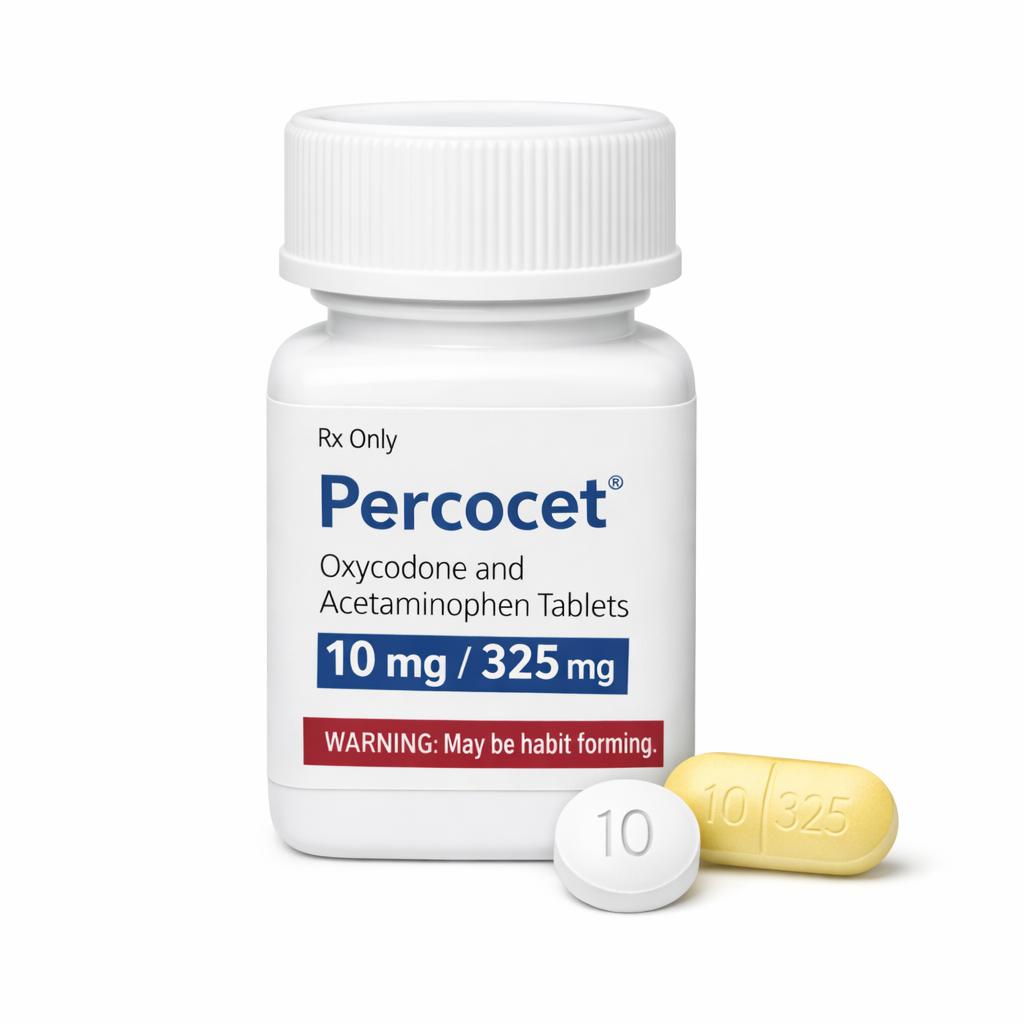
How long does percocet stay in your system is a common question among patients, healthcare providers, and individuals researching opioid medications. Many people receive prescriptions for pain relief and want to understand how the medication behaves in the body. Others search for this information when preparing for medical testing or when learning about safe medication use.
Percocet combines two active ingredients: Oxycodone and Acetaminophen. Doctors often prescribe this combination to manage moderate to severe pain after surgery, injury, or certain medical conditions.
Understanding how the body processes Percocet helps people make safer choices about medication timing, dosage, and treatment options. In addition, patients exploring modern therapies such as Ketamine sometimes compare medications to better understand pain management and mental health treatment approaches.
This guide explains how Percocet moves through the body, how long it remains detectable, and how emerging treatments like ketamine therapy are changing the conversation around pain and mental health care.
What Is Percocet and How Does It Work?
Percocet belongs to a class of medications known as opioid analgesics. Doctors prescribe it when standard pain relievers do not provide enough relief.
The medication contains two ingredients:
- Oxycodone, a powerful opioid that acts on pain receptors in the brain
- Acetaminophen, which enhances pain relief and reduces fever
Oxycodone binds to opioid receptors in the central nervous system. As a result, it reduces pain signals and produces a calming effect in the body. Acetaminophen works differently. It lowers pain signals and inflammation, which strengthens the overall effect of the medication.
Doctors usually prescribe Percocet for short-term pain management because opioids carry a risk of dependence when used improperly or for long periods.
How the Body Processes Percocet
To understand detection times, it helps to know how the body metabolizes the medication.
After someone takes a Percocet tablet:
- The digestive system absorbs the drug.
- The bloodstream carries the active ingredients to the brain.
- The liver breaks down oxycodone into metabolites.
- The kidneys remove those metabolites through urine.
Most people begin to feel pain relief within 20 to 60 minutes after taking the medication. The strongest effects usually occur within 1–2 hours.
However, the drug can remain in the body long after the noticeable effects fade.
How Long Does Percocet Stay in Your System?
The answer varies depending on several biological and lifestyle factors. On average, the body eliminates most oxycodone within about 24 hours, but testing methods can detect it for longer periods.
Typical detection windows include:
Urine
Urine tests detect oxycodone for 2 to 4 days after the last dose.
Blood
Blood testing usually detects Percocet for about 24 hours.
Saliva
Saliva tests may detect oxycodone for 1 to 2 days.
Hair
Hair follicle testing can identify opioid use for up to 90 days.
Urine testing remains the most common method because it offers a longer detection window and a simple collection process.
Factors That Influence Drug Detection
Not everyone processes medications at the same speed. Several factors affect how long Percocet remains detectable in the body.
1. Metabolism
People with faster metabolic rates eliminate drugs more quickly. Age, genetics, and overall health influence metabolism.
2. Body Composition
Body fat percentage can affect drug storage and release. Some medications remain longer in fatty tissues.
3. Liver and Kidney Function
The liver and kidneys perform most of the work when breaking down medications. Healthy organs process drugs more efficiently.
4. Dosage and Frequency
Higher doses or repeated use can increase the time the medication stays in the system.
5. Hydration and Diet
Adequate hydration supports kidney function and can help the body remove metabolites more efficiently.
Percocet Half-Life Explained
The half-life of a drug describes how long the body takes to remove half of the active substance.
Oxycodone typically has a half-life of about 3 to 4 hours. That means the body reduces the active drug by half during that time. After several half-life cycles, most of the drug leaves the bloodstream.
Even though the active effects disappear within hours, traces remain detectable in biological samples for a longer period.
Medical Testing and Opioid Screening
Healthcare providers often use drug tests in several situations:
- Pain management programs
- Employment screenings
- Substance treatment programs
- Medical monitoring
Because oxycodone belongs to the opioid family, some standard drug panels check for its metabolites. However, specialized tests sometimes provide more accurate detection for prescription opioids.
For individuals asking how long does percocet stay in your system, the answer often matters most before medical testing or treatment evaluations.
Comparing Opioid Pain Relief With Ketamine Therapy
Traditional opioids like Percocet treat pain by blocking signals in the nervous system. While effective, long-term opioid use can lead to tolerance or dependence in some individuals.
Researchers now explore alternative treatments for chronic pain and mental health disorders.
One emerging option involves Ketamine. Doctors originally used ketamine as an anesthetic, but recent research shows benefits for several conditions:
- Treatment-resistant depression
- Chronic pain disorders
- PTSD and severe anxiety
A prescription nasal spray called Spravato contains a ketamine-derived compound that works rapidly in the brain. Instead of targeting opioid receptors, ketamine influences glutamate pathways and supports neural repair processes.
This difference explains why some clinics explore ketamine-based therapy for patients who want alternatives to traditional opioid medications.
Safety Considerations When Using Percocet
Anyone taking Percocet should follow medical guidance carefully. Responsible use reduces the risk of side effects and complications.
Important safety tips include:
- Follow the prescribed dosage exactly
- Avoid combining opioids with alcohol
- Inform your doctor about other medications
- Never share prescription drugs
Common side effects may include:
- Drowsiness
- Nausea
- Constipation
- Dizziness
More serious reactions require immediate medical attention.
Long-Term Pain Management Options
Pain treatment continues to evolve as researchers study safer and more effective therapies.
Healthcare providers may recommend several strategies depending on the patient’s condition:
- Physical therapy
- Non-opioid medications
- Behavioral therapy
- Interventional procedures
- Ketamine-based treatments
Patients often benefit from a combination of approaches rather than relying on a single medication.
Understanding how long does percocet stay in your system helps people plan medication schedules, avoid drug interactions, and make informed treatment decisions.
Final Thoughts
Percocet can provide powerful pain relief, but the body processes the medication relatively quickly. Most individuals eliminate the active compounds within about a day, although drug tests may detect traces for several days.
Each person’s metabolism, health status, and dosage influence how long the medication remains detectable. Anyone taking prescription opioids should always follow professional medical guidance.
As medical science advances, newer treatments such as ketamine-based therapy continue to reshape how doctors approach pain management and mental health care.
Contact & Product Information
If you would like to learn more about ketamine-based therapies or explore available wellness products, the team at Ketacyn Pharma can provide guidance and support.
📞 Call or WhatsApp: +1 (531) 400-1813
For more information about available treatments and products, visit:
🌐 Ketacynpharma.com
Our team can help answer questions, provide educational resources, and guide you toward innovative solutions designed to support modern mental health and wellness treatments.