
Ketamine Therapy: A Modern Approach to Mental Health and Pain Relief
Ketamine therapy has gained global attention as a powerful medical option for people who struggle with severe depression, chronic pain, or treatment-resistant mental health conditions. As more patients search for fast and effective alternatives to traditional medications, ketamine stands out for its rapid action and unique way of supporting brain function.
Understanding Ketamine and Its Medical Value
Ketamine is an anesthetic that doctors have used safely for decades. Over time, researchers discovered that ketamine does more than manage pain. It also activates pathways in the brain that help rebuild neural connections impacted by stress, trauma, or long-term illness. These discoveries changed the way specialists view mental health care.
Today, ketamine appears in clinics around the world as part of controlled therapeutic programs. When administered by trained professionals, it offers benefits that standard antidepressants often fail to deliver. SHOP NOW
Why Many Patients Turn to This Treatment
People often seek ketamine-based treatment when they feel stuck. Some have tried several antidepressant medications without relief. Others deal with constant pain that limits their daily lives. Ketamine provides a different approach because it acts on glutamate, a major neurotransmitter responsible for thought, mood, and memory.
Unlike typical medications that may take weeks to work, ketamine can produce noticeable improvements within hours. Many patients report clearer thinking, reduced emotional weight, or a sense of renewed possibility after only a few supervised sessions.
How Ketamine Supports the Brain
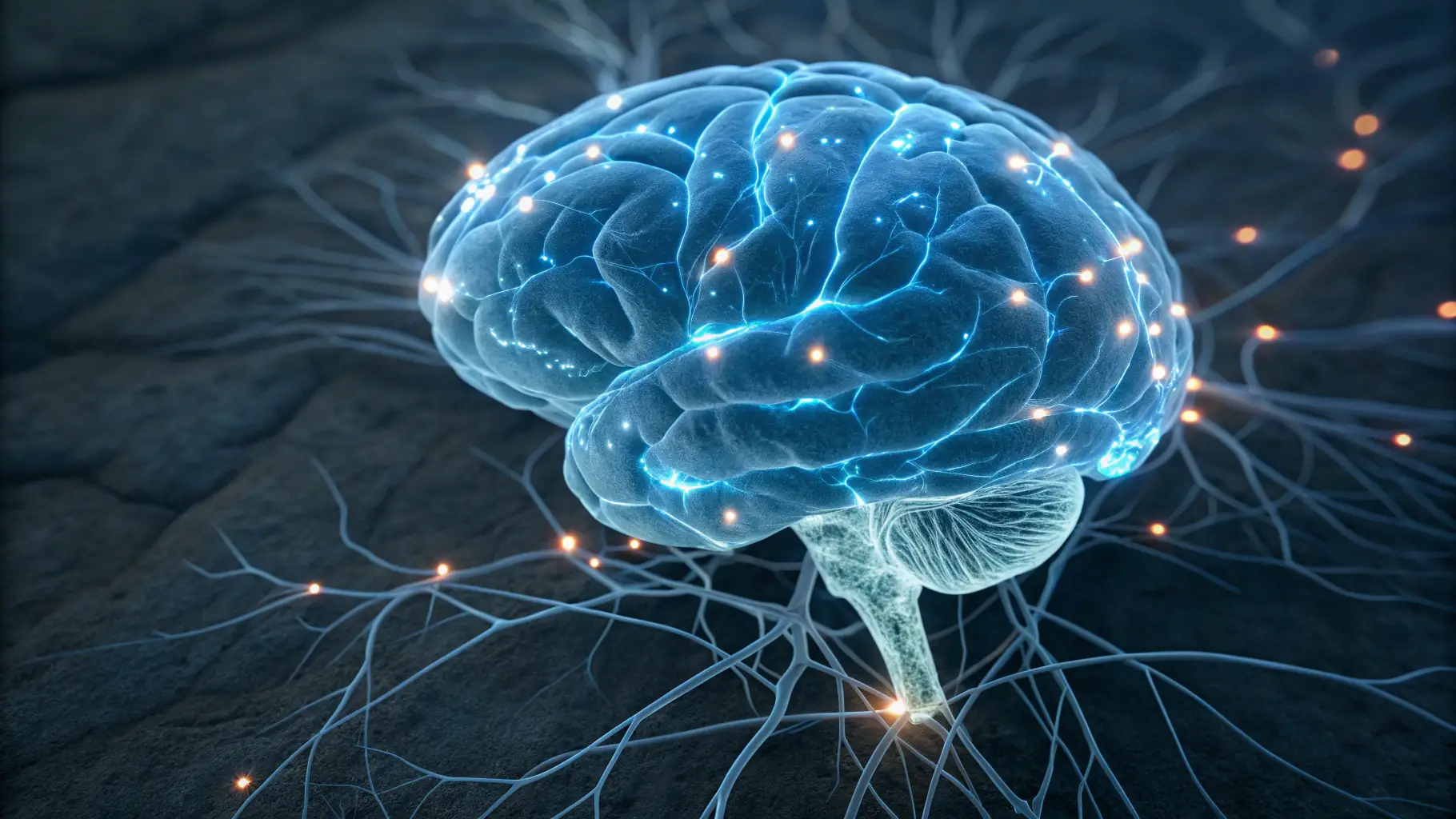
One of ketamine’s most significant effects lies in its ability to promote neuroplasticity. This process helps the brain form new connections and repair old ones. When stress or trauma overloads the nervous system, these pathways weaken. Ketamine helps restore them so the brain can perform better.
Researchers also found that ketamine increases communication between neural networks related to mood and self-awareness. This shift helps patients break negative thought cycles, making it easier to respond positively to therapy, lifestyle changes, or emotional support.
Conditions That Often Improve With Treatment
Clinicians use ketamine to support several conditions, including:
- Major depressive disorder
- PTSD
- Anxiety disorders
- Chronic pain or neuropathic pain
- Bipolar-related depressive episodes
- Treatment-resistant mental health conditions
Because ketamine works quickly, it often acts as a bridge for patients who need urgent relief while waiting for other long-term treatments to take effect.
Ketamine Therapy in Modern Clinics
In well-structured clinics, medical teams follow strict safety protocols. Patients receive careful screening before starting. During sessions, nurses or doctors monitor vital signs and guide the experience.
The goal is to create a therapeutic environment where patients feel safe and able to focus on mental and emotional progress. Some programs combine ketamine sessions with psychotherapy, mindfulness coaching, or lifestyle planning to achieve long-lasting results.
This structured system ensures that ketamine treatment stays consistent, professional, and patient-centered.
Why Education Matters Before Starting Treatment
Anyone considering ketamine should understand how it works, what to expect, and which products clinics use. A knowledgeable patient makes better decisions and responds more effectively to treatment.
When people educate themselves, they protect their health and strengthen their chances of reaching a positive outcome. Quality clinical programs encourage patients to ask questions, review research, and explore how the therapy aligns with their goals.
The Growing Importance of High-Standard Ketamine Products
As demand grows, practitioners rely on trustworthy pharmaceutical partners to ensure safety. Clinics often choose formulations designed for precision dosing and consistent results. Quality control is essential because ketamine requires strict purity and accurate measurement.
Pharmaceutical companies that focus on medical-grade standards provide clinicians with the confidence they need to deliver reliable treatment. Patients benefit from this consistency because every session uses products that meet professional expectations.
Is This Treatment Right for You?
People respond differently to medical therapies, and ketamine is no exception. Most patients who match the clinical criteria experience strong improvements. The best candidates include individuals who:
- Feel stuck in their current treatment plan
- Experience symptoms that disrupt work, relationships, or sleep
- Want a medically supervised alternative that supports brain health
- Understand the value of long-term wellness planning
A consultation with a licensed provider remains the best path to determining suitability.
The Future of Brain-Focused Treatments
As innovation continues, specialists expect ketamine-based approaches to evolve even further. Research teams study new formulas, new delivery methods, and new protocols that improve safety and effectiveness. Many experts believe that therapies built on neuroplasticity will shape the next generation of mental-health breakthroughs.
This progress also depends on high-quality production of ketamine for clinical use. Pharmaceutical partners that focus on science-driven development help ensure that patients receive safe, reliable, and effective treatment every time.
Take a Step Toward a Healthier Future
If you want to explore how ketamine therapy can improve your mental health or pain condition, reach out today. Guidance from experienced professionals can help you understand your options, compare treatments, and create a clear path forward.
📞 Contact Us Today
Call or WhatsApp: +1 (531) 400-1813
🛒 Browse Ketacyn Pharma Products
Visit ketacynpharma.com to explore pharmaceutical-grade ketamine solutions designed for clinical excellence.