
Is ketamine addictive? This question guides many people who want clear, science-based information about ketamine, its medical value, and its risks. Ketamine has gained attention for its role in anesthesia, pain care, and supervised mental-health treatment. At the same time, people worry about misuse and dependence. This article explains how ketamine works, what addiction really means, who faces higher risk, and how responsible care reduces harm. You will find a balanced, educational overview designed for clarity, trust, and readability.
Understanding Ketamine at a Glance
Ketamine is a dissociative anesthetic that doctors have used for decades. Clinicians value it because it works quickly, preserves breathing reflexes, and helps manage severe pain. In recent years, researchers have explored ketamine’s rapid effects on mood under medical supervision.
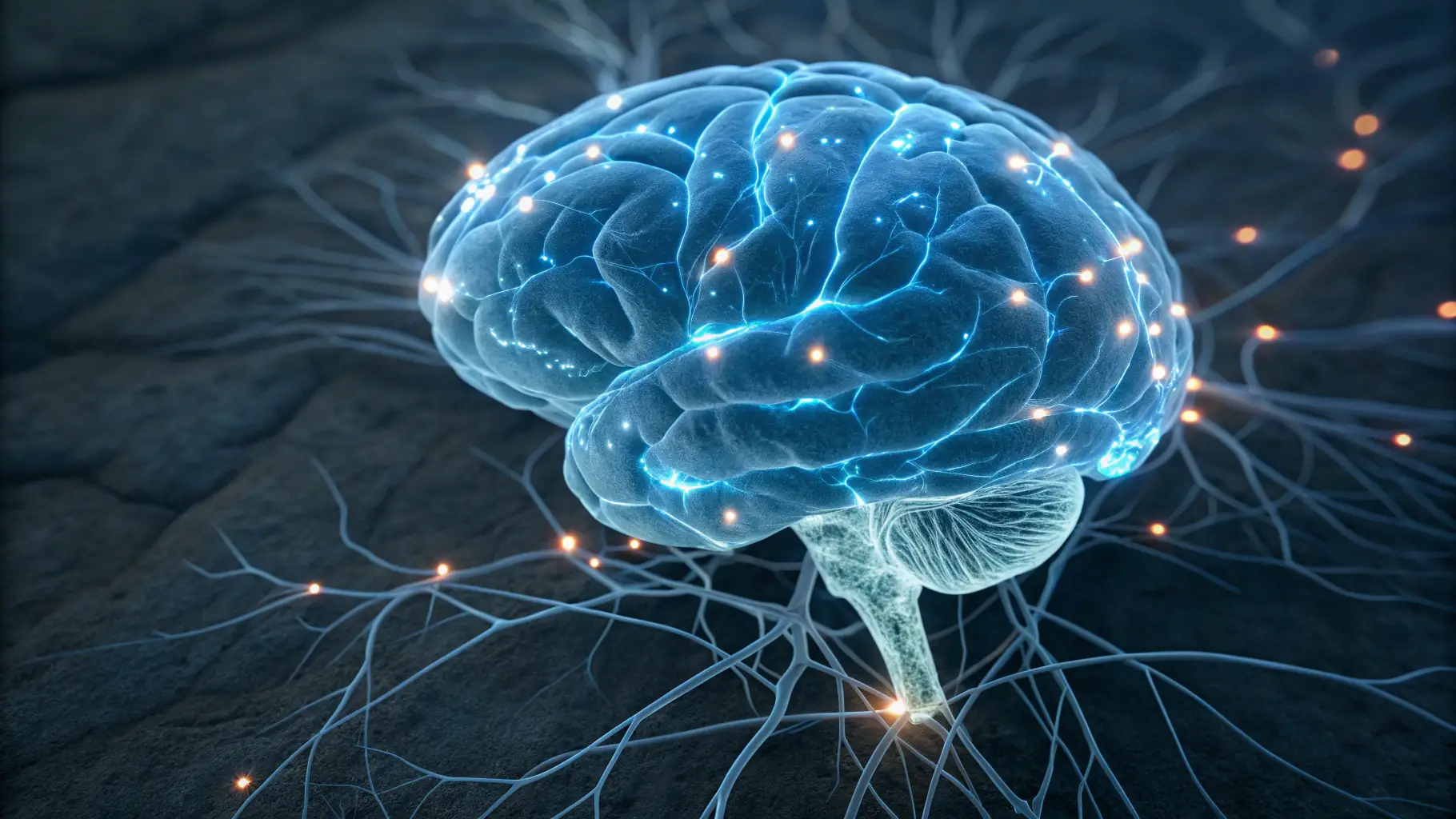
Ketamine acts primarily on the glutamate system, especially the NMDA receptor. By changing how brain circuits communicate, it can reduce pain and alter perception. These same effects explain both its medical benefits and its potential risks when used without oversight.
What “Addictive” Really Means
Before answering the core question, it helps to define addiction clearly.
Addiction involves:
- Compulsive use despite harm
- Loss of control over intake
- Cravings and preoccupation
- Tolerance, where more is needed to feel the same effect
- Withdrawal symptoms after stopping
Not every substance causes addiction in the same way. Risk depends on the drug’s chemistry, how it gets used, the dose, frequency, and the person’s health history.
How Ketamine Affects the Brain and Body
Ketamine produces dissociation, altered sensory perception, and analgesia. At medical doses, clinicians monitor heart rate, blood pressure, and mental state. The drug also increases certain neurotransmitters that can lift mood quickly in controlled settings.
With repeated, unsupervised exposure, however, the brain can adapt. That adaptation may increase tolerance and reinforce psychological patterns of use. Understanding this balance matters when people ask, is ketamine addictive in real-world settings.
Medical Use vs. Non-Medical Use
Supervised Medical Use
In hospitals and licensed clinics, professionals:
- Screen patients carefully
- Control dose and frequency
- Monitor side effects
- Integrate follow-up care
This structure lowers the risk of misuse. Most patients do not develop addiction when ketamine is used short-term or intermittently under medical guidance.
Non-Medical or Recreational Use
Outside clinical care, risks rise. High doses, frequent use, and lack of monitoring can lead to:
- Psychological dependence
- Escalating tolerance
- Memory and attention problems
- Bladder and urinary issues
- Mood instability
These outcomes explain why experts stress medical supervision.
Physical Dependence vs. Psychological Dependence
Ketamine does not typically cause severe physical withdrawal like opioids or alcohol. That fact sometimes leads to confusion.
- Physical dependence: The body adapts and reacts strongly when the drug stops.
- Psychological dependence: The person feels compelled to use the drug for relief, escape, or emotional regulation.
Ketamine’s main risk lies in psychological dependence, especially with frequent, high-dose use. People may chase dissociation or mood relief rather than address underlying issues.
Risk Factors That Increase the Chance of Misuse
Certain factors raise vulnerability:
- A history of substance use disorders
- Untreated anxiety, depression, or trauma
- Easy access without safeguards
- High stress and poor social support
Awareness of these factors helps clinicians and patients make safer choices.
Signs That Ketamine Use Is Becoming a Problem
Early recognition can prevent harm. Warning signs include:
- Using more often than planned
- Thinking about ketamine frequently
- Neglecting work, school, or relationships
- Needing higher doses for the same effect
- Continuing use despite health concerns
If these signs appear, professional support can help.
Safety Profile and Common Side Effects
Even when addiction does not develop, side effects can occur:
- Nausea or dizziness
- Elevated blood pressure
- Confusion during or shortly after use
- Short-term memory changes
Long-term, unsupervised use can harm the bladder and urinary tract. Medical oversight reduces these risks.
Ketamine in Mental Health Care
Research shows promise for ketamine in treatment-resistant depression and acute suicidal ideation when delivered in controlled settings. Clinics often combine ketamine sessions with psychotherapy to support lasting change.
This integrated approach focuses on healing rather than repeated dosing. It also addresses the question many readers ask—is ketamine addictive when used for mental health—by emphasizing structure, limits, and follow-up.
Harm Reduction and Responsible Access
Responsible access includes:
- Clear medical indications
- Informed consent
- Transparent dosing protocols
- Ongoing assessment
Education empowers patients to weigh benefits against risks. It also supports public health by discouraging misuse.
Myths and Facts About Ketamine
Myth: Ketamine always causes addiction.
Fact: Risk varies by context, dose, and supervision.
Myth: Medical use guarantees zero risk.
Fact: All medications carry some risk, which clinicians manage.
Myth: Psychological dependence is harmless.
Fact: It can disrupt life and mental health if ignored.
Who Should Avoid Ketamine or Use Extra Caution
Extra caution applies to people with:
- Active substance use disorders
- Uncontrolled high blood pressure
- Certain psychotic disorders
- Serious bladder problems
A qualified professional can evaluate suitability and alternatives.
Legal and Ethical Considerations
Laws differ by country and region. Medical ketamine requires proper authorization and professional oversight. Ethical care prioritizes patient safety, informed choice, and evidence-based practice.
Comparing Ketamine to Other Substances
Compared to opioids or benzodiazepines, ketamine shows a different risk profile. It does not usually cause life-threatening withdrawal. However, misuse can still cause significant harm. Comparing substances helps people understand relative risks without minimizing real concerns.
Practical Takeaways for Readers
- Ketamine has legitimate medical uses.
- Addiction risk increases with frequent, unsupervised use.
- Psychological dependence matters and deserves attention.
- Medical supervision lowers risk and improves outcomes.
- Education and honest dialogue support safer decisions.
These points provide a grounded answer to is ketamine addictive while respecting nuance and evidence.
Conclusion: Making Informed, Responsible Choices
Ketamine sits at the intersection of innovation and caution. Science supports its medical value, yet misuse carries real consequences. When people ask whether ketamine leads to addiction, the most accurate answer considers context, dose, purpose, and oversight. Informed choices protect health and promote responsible care.
Call to Action
If you are seeking trusted information, compliant products, or professional guidance related to ketamine, take the next step today:
- Contact us: +1 (531) 400-1813
- Explore our product campaign: Visit ketacynpharma.com to learn more about Ketacyn Pharma products and responsible pharmaceutical solutions.
Your health decisions deserve clarity, safety, and expert support.