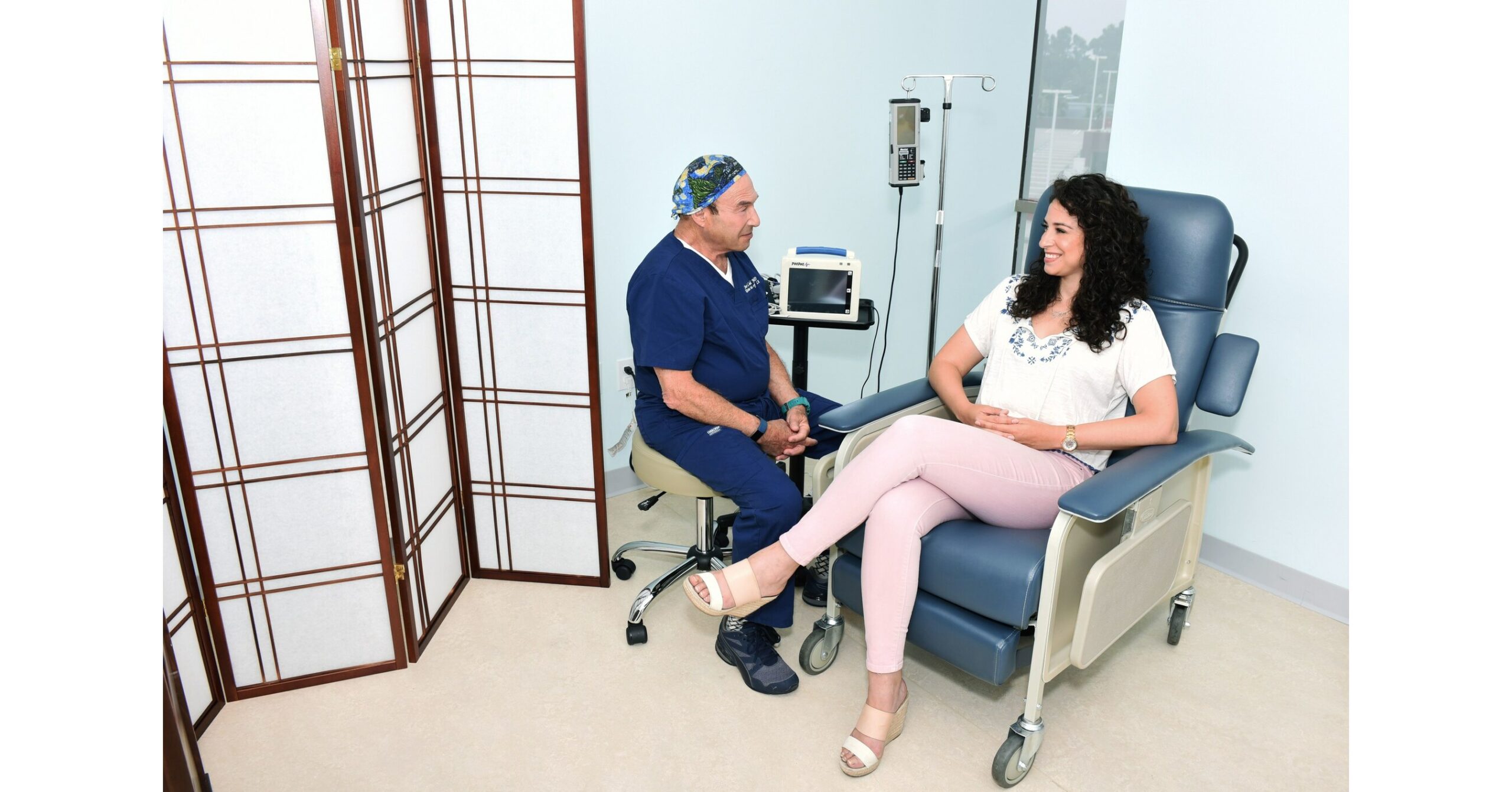
Ketamine has gained significant attention in recent years for its potential to treat mental health conditions like depression, anxiety, and PTSD. If you’re exploring this option, it’s important to understand that getting a ketamine prescription involves a legitimate medical process, not a shortcut. This guide will walk you through everything you need to know—clearly, safely, and responsibly.
Understanding Ketamine as a Medical Treatment
Originally developed as an anesthetic, ketamine is now used in controlled clinical settings for treatment-resistant depression and certain chronic pain conditions. In some cases, a related medication called esketamine (a nasal spray) is prescribed under strict supervision.
Because ketamine is a controlled substance, it cannot be casually prescribed or purchased online. Any legal access requires evaluation and oversight from a licensed healthcare professional.
Step 1: Consult a Qualified Healthcare Provider
The first step to getting a ketamine prescription is speaking with a licensed medical professional, such as:
- A psychiatrist
- A pain management specialist
- A certified ketamine clinic provider
During your consultation, the provider will assess your medical history, current symptoms, and previous treatments. Ketamine is typically considered when traditional therapies (like antidepressants or therapy) have not been effective.
Pro tip: Be honest and thorough about your symptoms—this helps determine whether ketamine therapy is appropriate for you.
Step 2: Meet Eligibility Criteria
Not everyone qualifies for ketamine therapy. Doctors usually look for:
- Diagnosis of treatment-resistant depression or similar conditions
- Lack of improvement with standard medications
- No history of substance misuse that would increase risk
- Overall physical health suitability
This step ensures patient safety and treatment effectiveness, which is why self-diagnosis or bypassing medical evaluation is not an option.
Step 3: Choose the Right Treatment Format
Ketamine can be administered in several ways, depending on your condition and provider:
- IV infusions (most common in clinics)
- Intramuscular injections
- Oral lozenges or tablets (in limited, supervised cases)
- Esketamine nasal spray (FDA-approved in some countries)
Each method has different costs, benefits, and monitoring requirements. Your provider will recommend the best approach tailored to your needs.
Step 4: Ongoing Monitoring and Follow-Up Care
Ketamine treatment is not a one-time prescription—it involves structured sessions and continuous monitoring. You may need:
- Multiple sessions over several weeks
- Mental health evaluations during treatment
- Adjustments to dosage or frequency
This ongoing care is crucial for both effectiveness and safety, ensuring the best possible outcomes.
Avoid Illegal or Unsafe Shortcuts
You might come across websites or ads claiming to offer ketamine without a prescription. These are risky and often illegal. Using ketamine without medical supervision can lead to:
- Serious health complications
- Psychological side effects
- Legal consequences
For your safety, always go through licensed clinics or certified telehealth providers that follow proper regulations.
Final Thoughts: Prioritize Safety and Professional Guidance
Getting a ketamine prescription is a structured, medically supervised process designed to protect your health while offering potential relief from difficult conditions. While the growing interest in ketamine therapy is understandable, the safest path is always through qualified professionals and legitimate treatment programs.
If you’re considering ketamine therapy, start with a trusted healthcare provider and take the first step toward informed, responsible care.
You have not enough Humanizer words left. Upgrade your Surfer plan.