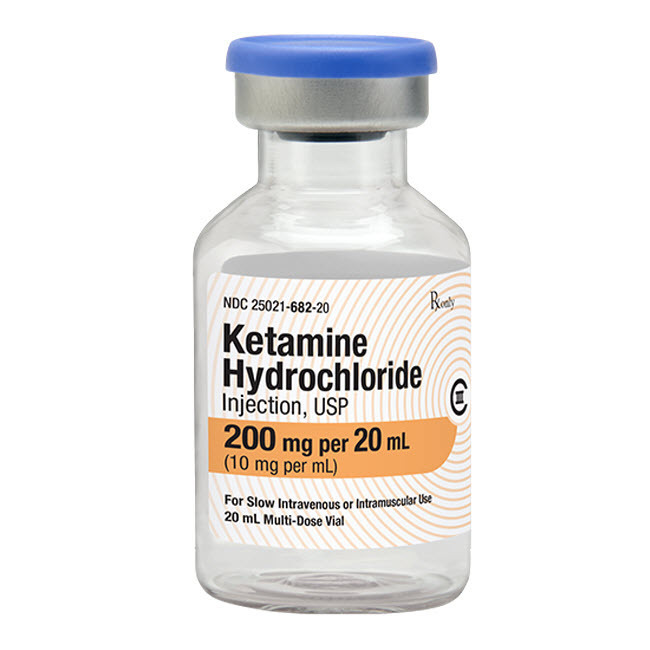
Ketamine test urine screening plays an important role in medical monitoring, workplace drug testing, rehabilitation programs, and legal investigations. Many people want to understand how urine testing works, how long ketamine stays detectable, and what factors influence results. This educational guide explains the science, procedures, detection windows, and practical considerations in clear, easy-to-follow language.
Understanding Ketamine and Its Medical Background
Ketamine started as an anesthetic used in hospitals and surgical settings. Today, clinicians also use it in controlled medical environments for pain management and treatment-resistant depression. Because ketamine affects perception and consciousness, organizations often monitor its presence through drug testing programs.
Urine screening remains the most common testing method because it balances affordability, accuracy, and convenience. Laboratories rely on urine samples to detect drug metabolites that remain in the body after use.
Why Urine Testing Is Commonly Used
Healthcare providers and testing facilities choose urine testing for several practical reasons:
- Non-invasive sample collection
- Reliable detection of recent drug exposure
- Lower testing cost compared to blood analysis
- Easy transportation and laboratory processing
- Suitable for large screening programs
Urine analysis identifies metabolites rather than the original substance. When the body processes ketamine, the liver breaks it down into compounds such as norketamine. These metabolites exit through urine, allowing laboratories to confirm exposure.
How Ketamine Urine Testing Works
Sample Collection
A trained professional collects a urine sample in a controlled environment. Many facilities follow strict chain-of-custody procedures to prevent contamination or substitution.
Initial Screening
Labs perform an immunoassay screening test. This rapid method detects drug classes based on chemical reactions between antibodies and metabolites.
Confirmatory Testing
If screening shows a positive result, technicians perform confirmatory testing using advanced technology such as gas chromatography-mass spectrometry (GC-MS). This step ensures accuracy and eliminates false positives.
Detection Window: How Long Ketamine Stays in Urine
Detection time varies based on multiple biological and lifestyle factors. Most individuals want a clear timeframe, but results differ from person to person.
Typical detection range:
- Occasional use: 1–3 days
- Moderate use: up to 5 days
- Heavy or frequent use: up to 7–14 days in some cases
The body eliminates ketamine relatively quickly compared to many substances. However, metabolites may linger longer depending on metabolism and usage patterns.
Factors That Affect Detection Time
Several variables influence how long ketamine remains detectable.
Metabolism Rate
Individuals with faster metabolism eliminate substances more quickly. Age, genetics, and overall health play important roles.
Dosage and Frequency
Higher doses or repeated use increase metabolite buildup. Frequent exposure extends detection windows.
Body Composition
Fat distribution and hydration levels influence drug processing and elimination speed.
Liver and Kidney Function
Healthy organs support efficient drug breakdown and removal. Impaired function may prolong detection.
Hydration and Lifestyle
Proper hydration supports normal elimination, although excessive water intake does not reliably change results.
Accuracy of Urine Drug Testing
Modern laboratory procedures achieve high reliability when technicians follow standardized protocols.
Key accuracy advantages:
- Confirmatory testing eliminates most false positives
- Scientific cutoff levels reduce accidental detection
- Professional handling preserves sample integrity
False positives rarely occur but may happen if certain medications interfere with screening tests. Confirmatory analysis usually resolves these situations.
Situations Where Urine Screening Is Required
Organizations use ketamine urine testing in several settings.
Medical Monitoring
Doctors may monitor therapeutic ketamine treatment programs to ensure safe dosing and adherence.
Workplace Drug Testing
Employers in safety-sensitive industries conduct testing to maintain workplace safety standards.
Rehabilitation Programs
Treatment centers track recovery progress and support accountability.
Legal or Forensic Cases
Courts and law enforcement agencies sometimes require drug testing during investigations or supervision programs.
Preparation Tips Before a Urine Drug Test
Proper preparation helps avoid complications during testing.
Helpful steps include:
- Bring valid identification
- Follow collection instructions carefully
- Inform staff about prescribed medications
- Maintain normal hydration habits
- Avoid attempting dilution or tampering
Attempting to manipulate results often leads to invalid samples or retesting requirements.
Myths and Misconceptions About Drug Testing
Many misconceptions circulate online. Understanding facts helps individuals make informed decisions.
Myth 1: Drinking Excess Water Removes Drugs Quickly
Hydration supports health, but it cannot instantly eliminate metabolites already present in the body.
Myth 2: Detox Products Guarantee Negative Results
No supplement can reliably override laboratory detection methods.
Myth 3: Only Heavy Users Test Positive
Even single exposure may appear during the detection window.
Accurate knowledge prevents unnecessary anxiety and promotes responsible decision-making.
Medical and Safety Considerations
Healthcare professionals emphasize responsible use when ketamine appears in therapeutic settings. Controlled administration ensures patient safety, monitoring, and proper follow-up care.
Individuals who undergo prescribed treatment should always communicate openly with testing authorities or employers when medical therapy applies. Documentation often clarifies legitimate medical use.
Comparing Urine Testing With Other Methods
Drug detection can involve several biological samples. Each method offers different advantages.
| Testing Method | Detection Window | Practical Use |
|---|---|---|
| Urine | Several days | Most common screening |
| Blood | Hours to 1 day | Recent impairment evaluation |
| Saliva | 24–48 hours | Rapid roadside testing |
| Hair | Up to 90 days | Long-term history analysis |
Urine testing remains the preferred balance between detection accuracy and convenience.
Legal and Ethical Aspects
Drug testing programs must respect privacy, informed consent, and standardized procedures. Employers and healthcare institutions typically follow strict guidelines to protect individual rights.
Transparency between testing organizations and participants promotes fairness and trust throughout the process.
The Future of Drug Screening Technology
Advancements continue to improve testing precision. Researchers develop faster laboratory techniques, automated verification systems, and improved detection sensitivity. These innovations strengthen reliability while reducing turnaround time for results.
Digital reporting systems also help healthcare providers and employers manage compliance efficiently.
Frequently Asked Questions
Can secondhand exposure cause a positive result?
Passive exposure rarely produces detectable metabolite levels in urine testing.
How long do results take?
Standard laboratory processing usually takes 24–72 hours depending on facility workload.
Does body weight change results?
Weight alone does not determine outcomes, but overall metabolism and health influence elimination speed.
Can medications interfere with testing?
Some substances may affect screening tests, which is why confirmatory analysis remains essential.
Final Thoughts
Understanding ketamine drug screening helps individuals, healthcare professionals, and organizations approach testing with confidence. Urine analysis offers a reliable, efficient, and widely accepted method for detecting recent exposure. Accurate information removes confusion and encourages responsible health decisions.
Education remains the most effective tool for navigating testing requirements. When individuals understand detection timelines, testing procedures, and influencing factors, they can prepare appropriately and avoid unnecessary stress.
Contact and Product Campaign
For professional inquiries, product information, or support related to Ketacynpharma products, reach out directly:
Call or WhatsApp: +1 (531) 400 1813
Explore the official product campaign and available solutions at:
Connect today to learn more about Ketacynpharma offerings, product availability, and customer assistance. Expert support remains available to answer questions and guide you toward the right solutions.