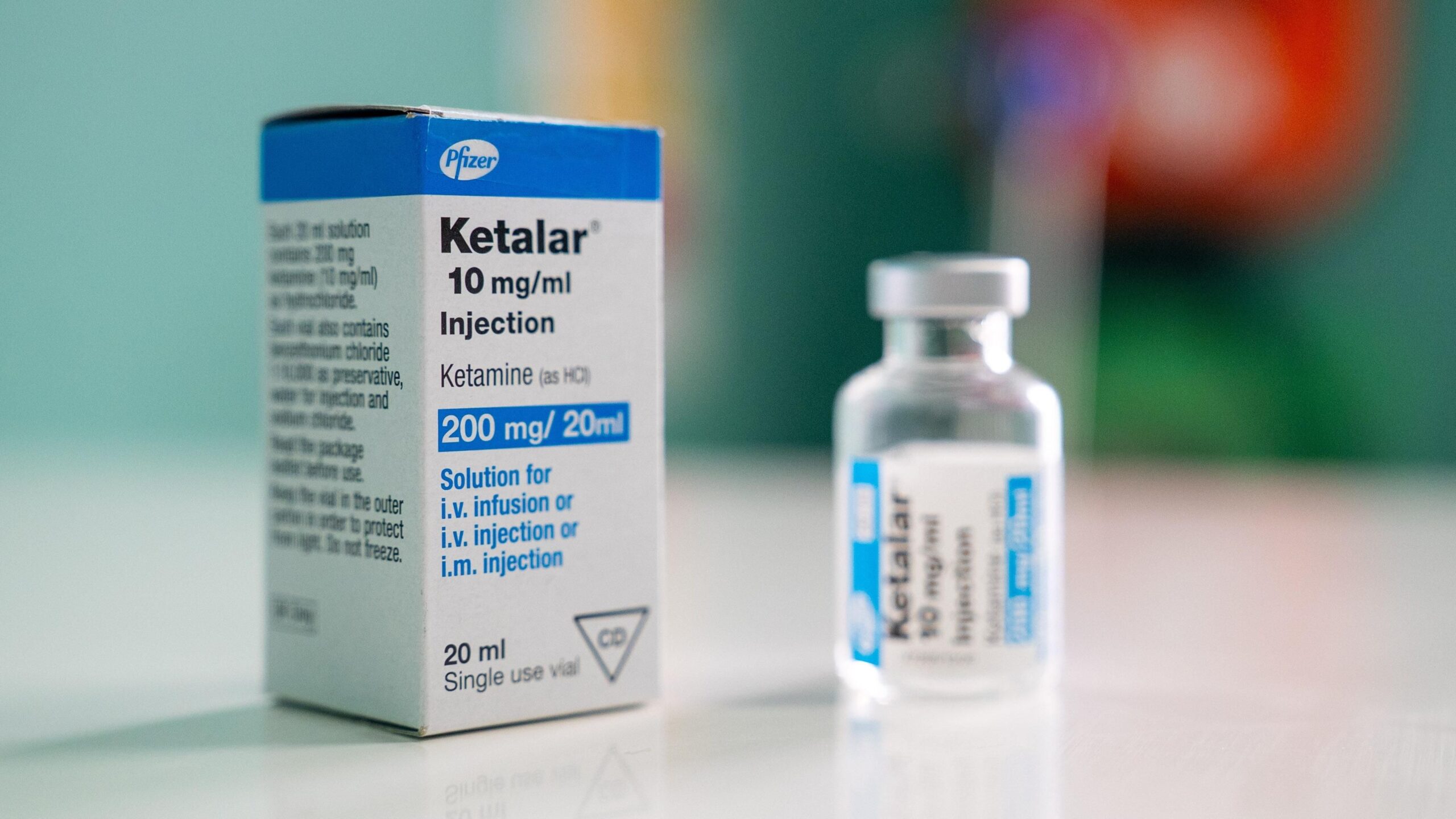
How to Qualify for Ketamine Treatment: Eligibility, Medical Requirements, and Patient Guide
How to qualify for ketamine treatment is an important topic for individuals searching for effective options to manage depression, PTSD, anxiety disorders, and chronic pain conditions. As interest in ketamine therapy grows worldwide, patients increasingly want clear information about eligibility standards, medical screening, and the approval process. Understanding how to qualify for ketamine treatment helps patients prepare for evaluation and improves the chances of successful therapy.
Ketamine therapy differs from traditional psychiatric treatments because it targets glutamate pathways in the brain instead of relying solely on serotonin-based medications. This unique mechanism allows some patients to experience faster symptom relief when conventional treatments have not worked.
What Is Ketamine Treatment?
Ketamine treatment involves administering controlled doses of ketamine under medical supervision to support mental health stabilization and neurological recovery. Physicians carefully evaluate each patient before therapy begins to ensure safety and therapeutic benefit.
Healthcare providers may deliver ketamine using several clinical methods:
IV infusion therapy performed in medical clinics
Intramuscular injections supervised by physicians
Prescription nasal spray protocols
Oral or sublingual administration in approved treatment programs
Regardless of the delivery method, medical qualification remains mandatory before treatment starts.
Why Patients Ask How to Qualify for Ketamine Treatment
Many patients seek ketamine therapy after years of limited improvement with antidepressants, mood stabilizers, or psychotherapy. People researching how to qualify for ketamine treatment often experience treatment-resistant depression or ongoing emotional distress that disrupts daily life.
Physicians focus on identifying patients who may benefit most from ketamine’s rapid neuroplastic effects. The goal involves restoring emotional balance, improving cognitive flexibility, and reducing severe symptoms safely.
Patients typically qualify when traditional therapies fail to produce adequate results or cause intolerable side effects.
Medical Conditions That Commonly Qualify
Doctors consider several diagnoses when determining eligibility. These conditions frequently meet clinical criteria:
Treatment-resistant depression
Major depressive disorder
Bipolar depression under psychiatric supervision
Post-traumatic stress disorder
Generalized anxiety disorder
Obsessive-compulsive disorder
Chronic neuropathic pain syndromes
Fibromyalgia and complex regional pain conditions
Understanding how to qualify for ketamine treatment begins with confirming a recognized medical or psychiatric diagnosis supported by professional evaluation.
Core Eligibility Requirements
Physicians evaluate multiple factors rather than relying on a single requirement. Patients often qualify when the following elements are present:
A documented mental health or chronic pain diagnosis
Moderate to severe symptoms affecting daily functioning
Previous treatment attempts with limited improvement
Medical stability suitable for monitored therapy
Commitment to follow-up care and monitoring
Providers also assess emotional readiness and patient expectations. Ketamine therapy works best when patients actively participate in recovery and ongoing care.
Psychological Assessment and Screening
A comprehensive psychiatric evaluation represents a key step in learning how to qualify for ketamine treatment. During consultation, clinicians review symptom history, emotional patterns, trauma exposure, and previous medications.
Standardized mental health assessments help measure symptom severity and guide treatment planning. Providers also explore therapeutic goals such as reducing suicidal thoughts, improving mood stability, or enhancing motivation.
Honest communication during evaluation supports accurate diagnosis and safe treatment design.
Physical Health Evaluation
Medical screening ensures patients can safely receive ketamine therapy. Doctors review cardiovascular health, neurological history, medication interactions, and overall physical condition.
Common medical checks include:
Blood pressure assessment
Heart health review
Medication interaction analysis
Liver function considerations
Substance use history evaluation
Controlled medical conditions rarely prevent therapy, but unmanaged illnesses may require stabilization before approval.
Who May Not Immediately Qualify
Some individuals may not qualify at the first consultation. Physicians may delay treatment when risks exceed potential benefits.
Temporary exclusion factors can include uncontrolled hypertension, active psychosis, untreated schizophrenia spectrum disorders, or severe substance misuse without recovery support.
However, many patients later qualify after addressing medical concerns. Learning how to qualify for ketamine treatment often involves improving overall health and completing preparatory care recommended by clinicians.
The Step-by-Step Qualification Process
The pathway to approval usually follows a structured process designed to protect patient safety.
Patients begin by scheduling a medical consultation. Providers gather treatment history, conduct psychological screening, and perform a physical health evaluation. After assessment, the physician determines whether ketamine therapy aligns with clinical needs.
If approved, patients receive a personalized treatment plan outlining session frequency, dosage strategy, monitoring procedures, and integration support.
Understanding each step clarifies how to qualify for ketamine treatment and reduces uncertainty before starting therapy.
Preparing for a Ketamine Therapy Consultation
Preparation improves both eligibility assessment and treatment success. Patients should organize medical records, medication lists, therapy history, and mental health diagnoses before consultation.
Helpful preparation steps include:
Documenting past medications and treatment outcomes
Listing current symptoms and triggers
Setting realistic treatment goals
Preparing questions about risks and benefits
Active preparation demonstrates readiness and supports accurate evaluation.
What Happens After You Qualify
After approval, patients usually begin an induction phase consisting of several treatment sessions over a few weeks. Providers monitor emotional response, cognitive changes, and physical safety during every session.
Many individuals notice gradual improvement in mood, reduced anxiety, and increased emotional resilience. Maintenance sessions follow based on individual response and clinical recommendations.
Integration therapy, lifestyle adjustments, and continued mental health support strengthen long-term outcomes.
Benefits of Meeting Qualification Criteria
Proper screening ensures patients receive therapy tailored to their needs. Individuals who meet eligibility standards often experience faster symptom relief compared with traditional medication timelines.
Additional benefits may include improved emotional regulation, reduced intrusive thoughts, increased motivation, and enhanced engagement in psychotherapy.
Learning how to qualify for ketamine treatment empowers patients to pursue safe and evidence-informed care.
Frequently Asked Questions
Patients often ask whether age limits exist. Adults across a wide age range may qualify, although providers evaluate adolescents and older adults carefully.
Another frequent concern involves ongoing medications. Many psychiatric medications remain compatible with ketamine therapy, though physicians may adjust timing or dosage.
Patients also wonder whether long-term depression disqualifies them. In reality, treatment-resistant cases often represent strong candidates because ketamine targets different neurological systems.
Choosing the Right Provider
Selecting an experienced provider significantly influences treatment success. Patients should look for licensed medical supervision, individualized care plans, structured monitoring, and ongoing support.
Qualified clinics prioritize safety, transparency, and patient education rather than rapid enrollment. A thorough evaluation process demonstrates responsible clinical practice.
Final Thoughts
Understanding how to qualify for ketamine treatment allows patients to approach therapy with confidence and realistic expectations. Ketamine therapy offers hope for individuals who have struggled with persistent symptoms despite multiple treatment attempts.
Eligibility focuses on safety, diagnosis confirmation, and personalized care planning. When patients meet clinical criteria and engage actively in treatment, ketamine therapy may support meaningful recovery and improved quality of life.
Contact and Treatment Support
If you want help determining eligibility or need professional guidance, reach out today for confidential assistance.
Call or WhatsApp: +1 (531) 400 1813
Message now to discuss treatment options, ask questions, or schedule a consultation.
Explore the active product campaign at Ketacynpharma.com for trusted Ketacynpharma products supporting therapeutic care and patient treatment programs. Professional guidance can help you take the next step toward recovery safely and confidently.