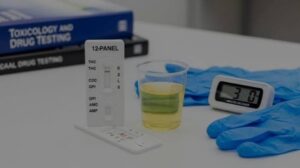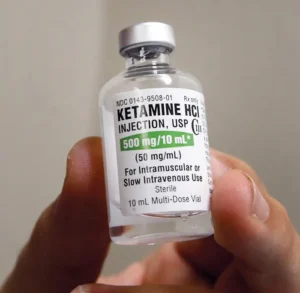
How long does ketamine stay in urine is a common question among patients, healthcare professionals, employers, and individuals who may undergo drug testing. Ketamine serves important medical purposes, including anesthesia and certain mental health treatments. However, many people want to understand how long the substance remains detectable after use.
The answer depends on several factors, including dosage, frequency of use, metabolism, hydration levels, age, and overall health. While ketamine leaves the bloodstream relatively quickly, traces can remain detectable in urine for a longer period.
This guide explains ketamine urine detection times, factors that influence elimination, and what to expect from drug testing.
What Is Ketamine?
Ketamine is a medication that healthcare providers use for anesthesia, pain management, and treatment-resistant depression in certain clinical settings. It affects the brain by interacting with receptors involved in pain perception and mood regulation.
After administration, the body breaks down ketamine into metabolites. These metabolites travel through the kidneys and exit the body through urine. Drug tests typically look for ketamine or its metabolites rather than the original substance alone.
How the Body Processes Ketamine
Once ketamine enters the body, the liver begins metabolizing it. The liver converts ketamine into several metabolites, including norketamine. These compounds then circulate through the body before the kidneys filter them into urine.
The elimination process occurs in stages:
- Absorption into the bloodstream
- Distribution throughout the body
- Metabolism by the liver
- Excretion through urine
Although ketamine’s immediate effects may wear off within hours, metabolites can remain detectable for days.
How Long Does Ketamine Stay in Urine?
For most people, ketamine remains detectable in urine for approximately 3 to 14 days after the last use.
General detection windows include:
| Test Type | Typical Detection Window |
|---|---|
| Blood Test | Up to 24 hours |
| Saliva Test | Up to 24 hours |
| Urine Test | 3 to 14 days |
| Hair Test | Up to 90 days or longer |
Urine testing remains one of the most common methods because it offers a longer detection window than blood or saliva testing.
Individuals who use ketamine frequently may test positive for a longer period because metabolites accumulate in body tissues over time.
Factors That Affect Ketamine Detection in Urine
Several variables influence how long ketamine remains detectable.
Dosage
Higher doses generally require more time for the body to process and eliminate. A larger amount of ketamine produces more metabolites, which can extend detection times.
Frequency of Use
Occasional users often eliminate ketamine more quickly than frequent users. Repeated use may lead to metabolite accumulation, increasing the amount of time required for complete elimination.
Metabolism
People with faster metabolic rates often process substances more efficiently. Factors that affect metabolism include:
- Age
- Physical activity
- Genetics
- Body composition
A faster metabolism may shorten detection times, while a slower metabolism may extend them.
Hydration Levels
Adequate hydration supports kidney function and normal waste elimination. However, drinking excessive amounts of water does not guarantee a negative drug test. Laboratories often identify attempts to dilute urine samples.
Liver Function
The liver performs most of the work involved in ketamine metabolism. Healthy liver function can improve processing efficiency, while liver impairment may slow elimination.
Kidney Function
The kidneys remove ketamine metabolites through urine. Reduced kidney function may increase the time metabolites remain in the body.
Body Mass and Composition
Some substances can accumulate in body tissues. Differences in body composition may contribute to variation in detection times between individuals.
Why Urine Tests Are Common
Urine testing offers several advantages:
- Cost-effective
- Easy to administer
- Non-invasive
- Reliable detection window
Employers, healthcare providers, rehabilitation programs, and legal systems frequently use urine testing because it balances convenience and effectiveness.
Laboratories can identify ketamine metabolites even after the drug’s noticeable effects have disappeared.
Can You Speed Up Ketamine Elimination?
Many people search for ways to remove ketamine from the body more quickly. Unfortunately, no scientifically proven method can instantly eliminate ketamine metabolites.
The body requires time to process and excrete substances naturally.
Healthy habits that support normal elimination include:
- Drinking adequate water
- Maintaining a balanced diet
- Exercising regularly
- Getting sufficient sleep
- Supporting overall liver and kidney health
These habits promote general wellness but do not guarantee faster test clearance.
How Long Do Ketamine Effects Last Compared to Detection Times?
The effects of ketamine usually wear off much sooner than its detectable presence.
Typical timelines include:
Immediate Effects
Most effects begin within minutes after administration.
Peak Effects
Peak effects often occur within the first hour.
Recovery Period
Many individuals recover from the primary effects within several hours.
Detection Window
Despite recovery, urine tests may still detect metabolites for days or even weeks in some cases.
This difference explains why someone can feel completely normal yet still test positive.
Medical Ketamine Use and Drug Testing
Patients who receive ketamine under medical supervision may wonder whether treatment could affect drug testing results.
In some cases, ketamine administered during legitimate medical treatment can appear on a drug test. Patients should inform employers, testing agencies, or healthcare providers about any prescribed treatments before testing.
Documentation from a healthcare provider may help verify legitimate medical use when necessary.
Ketamine Metabolites Explained
When ketamine breaks down, it forms metabolites that remain in the body longer than the original drug.
The primary metabolite is norketamine. Drug testing laboratories often look for this compound because it provides evidence of recent ketamine exposure.
The presence of metabolites explains why ketamine remains detectable after its effects have ended.
Hair Testing vs. Urine Testing
Hair testing provides a significantly longer detection window than urine testing.
Urine Testing
- Detects recent use
- Common in workplace screening
- Typically identifies use within days
Hair Testing
- Detects historical use
- May identify use for up to 90 days or longer
- Less common due to higher cost
Each testing method serves a different purpose depending on the goals of the screening program.
Common Questions About Ketamine Detection
Does One-Time Ketamine Use Stay in Urine as Long as Regular Use?
No. Occasional users often clear ketamine metabolites faster than individuals who use the drug frequently.
Can Exercise Remove Ketamine Faster?
Exercise supports overall health, but it does not instantly eliminate ketamine metabolites from the body.
Does Drinking More Water Help?
Proper hydration supports normal kidney function. However, excessive water intake does not guarantee a negative drug test.
Can Prescription Ketamine Cause a Positive Test?
Yes. Medically prescribed ketamine may appear on certain drug tests. Documentation from a healthcare provider may help explain the result.
Final Thoughts
Understanding how long does ketamine stay in urine can help individuals prepare for medical evaluations, workplace screenings, or educational purposes. In most cases, ketamine remains detectable in urine for approximately 3 to 14 days, although individual factors can significantly affect this timeline.
Variables such as dosage, frequency of use, metabolism, liver health, kidney function, and hydration all influence detection periods. While the noticeable effects of ketamine may disappear within hours, metabolites can remain present for much longer.
Anyone with concerns about ketamine testing or medical treatment should consult a qualified healthcare professional for guidance based on their specific circumstances.
Contact Ketacyn Pharma
Looking for trusted pharmaceutical products and reliable customer support? Explore the product campaign at Ketacynpharma.com and learn more about available Ketacynpharma products.
For product inquiries, ordering information, or general assistance:
WhatsApp Message or Call: +1 (531) 400-1813
Connect today to learn more about Ketacynpharma products and receive professional support for your pharmaceutical needs.