Ketamine for depression Australia has become an important topic in mental health care. Many Australians live with depression that does not improve after standard treatments such as antidepressants, psychotherapy, lifestyle changes, or a combination of these approaches. As researchers continue to explore innovative therapies, ketamine-assisted treatment has gained attention for its potential role in helping certain individuals with treatment-resistant depression.
This article explains how ketamine therapy works, who may benefit from it, what the treatment process involves, and the important factors to consider before discussing this option with a qualified healthcare professional.
Understanding Depression in Australia
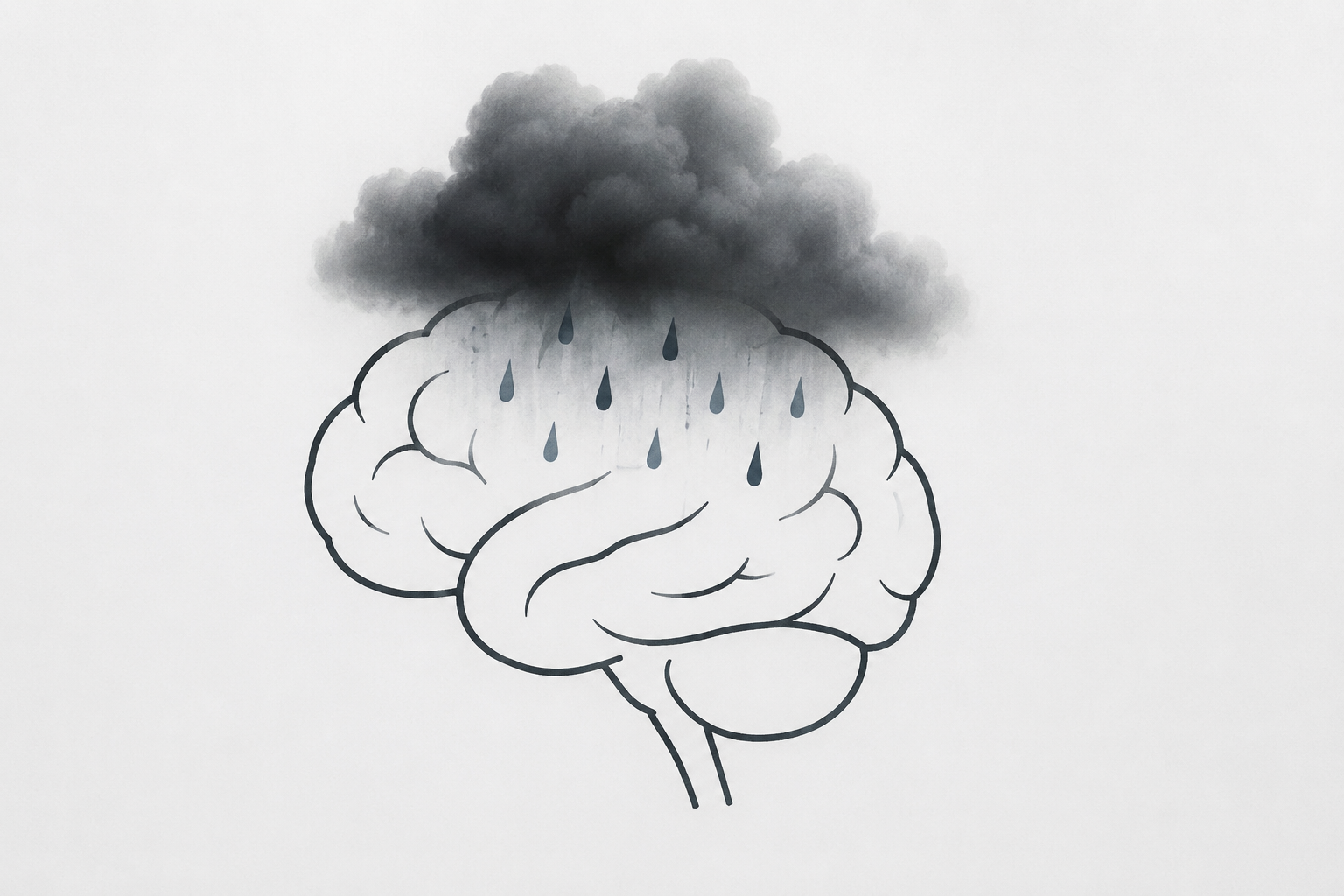
Depression affects millions of people worldwide, including many Australians. The condition can influence mood, energy levels, sleep patterns, concentration, relationships, and overall quality of life. While many individuals respond well to conventional treatments, others continue to experience symptoms despite trying multiple therapies.
Mental health professionals often refer to this situation as treatment-resistant depression. For these patients, alternative approaches may become part of a broader treatment plan under medical supervision.
What Is Ketamine?
Ketamine is a medication that healthcare professionals have used for decades in medical settings. It originally served as an anesthetic and remains an important medication in hospitals today.
Researchers later discovered that ketamine may have effects on mood and certain brain pathways involved in depression. These findings led to ongoing studies examining its potential use in mental health treatment.
Healthcare providers administer ketamine in carefully controlled environments and monitor patients throughout the process. Medical supervision plays a critical role in maintaining safety and evaluating outcomes.
How Ketamine May Help Depression
Traditional antidepressants often target serotonin, dopamine, or norepinephrine. In contrast, ketamine primarily influences glutamate, which is one of the brain’s most important neurotransmitters.
Scientists believe ketamine may help strengthen neural connections that support mood regulation. Some research suggests that these changes can occur more rapidly than those associated with conventional antidepressant medications.
Potential benefits reported in clinical research include:
- Reduction in depressive symptoms
- Improvement in mood
- Increased emotional resilience
- Better engagement with psychotherapy
- Relief for some individuals with treatment-resistant depression
Researchers continue to study the long-term effectiveness and safety of ketamine-assisted treatment.
Types of Ketamine-Based Treatment
Healthcare providers may use different forms of ketamine treatment depending on clinical circumstances, regulations, and individual patient needs.
Intravenous Ketamine
Intravenous, or IV, ketamine involves administering the medication through a vein. This method allows clinicians to control dosage carefully and monitor patient responses throughout the session.
Intranasal Esketamine
Esketamine is a related medication derived from ketamine. Certain countries have approved intranasal esketamine for specific mental health conditions under strict medical supervision.
Ketamine-Assisted Psychotherapy
Some treatment programs combine ketamine sessions with psychotherapy. The goal involves integrating psychological support with the biological effects of the medication. Mental health professionals help patients process experiences, insights, and emotional responses that may emerge during treatment.
Who May Be a Candidate?
Not everyone with depression qualifies for ketamine therapy. Healthcare providers typically conduct detailed assessments before recommending treatment.
A clinician may evaluate:
- Mental health history
- Previous treatment responses
- Current medications
- Physical health conditions
- Risk factors
- Personal treatment goals
Individuals experiencing treatment-resistant depression often receive the most consideration for ketamine-based interventions.
A comprehensive medical evaluation helps determine whether the treatment aligns with a patient’s needs and circumstances.
What Happens During Treatment?
The treatment process varies depending on the provider and clinical setting. However, most programs follow several common steps.
Initial Assessment
A qualified healthcare professional reviews medical records, mental health history, and current symptoms. This assessment helps identify potential benefits and risks.
Treatment Session
Patients attend sessions in a controlled clinical environment. Medical staff monitor vital signs and overall well-being throughout the experience.
Some individuals report feelings of relaxation, altered perception, or temporary dissociation during treatment. These effects usually occur under close supervision.
Recovery Period
After the session, patients remain under observation until healthcare professionals determine that discharge is appropriate.
Many clinics recommend arranging transportation home because temporary effects may influence driving ability and coordination.
Follow-Up Care
Follow-up appointments help clinicians evaluate progress and adjust treatment plans when necessary. Ongoing therapy and mental health support often remain important components of recovery.
Potential Benefits
Research continues to explore the full therapeutic potential of ketamine treatment. Several studies have reported promising findings for some patients with severe depression.
Possible advantages include:
- Rapid symptom improvement for certain individuals
- Support for treatment-resistant depression
- Enhanced engagement in therapy
- Potential reduction in depressive symptoms
- New opportunities within comprehensive mental health care plans
It remains important to recognize that results vary from person to person.
Potential Risks and Side Effects
Like any medical treatment, ketamine therapy carries potential risks and side effects.
Common short-term effects may include:
- Dizziness
- Nausea
- Increased blood pressure
- Temporary confusion
- Dissociation
- Fatigue
Healthcare providers carefully monitor patients to manage these effects and maintain safety.
Long-term safety remains an active area of research. Patients should discuss all concerns with qualified healthcare professionals before considering treatment.
The Importance of Professional Supervision
Professional supervision represents one of the most important aspects of ketamine treatment.
Patients should seek care only through qualified medical professionals who follow applicable regulations and clinical guidelines. A licensed healthcare provider can evaluate individual circumstances, explain potential risks, and determine whether ketamine therapy may be appropriate.
Self-medication or obtaining ketamine from unregulated sources can create serious health and safety risks.
Combining Ketamine Therapy with Comprehensive Mental Health Care
Ketamine treatment rarely serves as a complete solution on its own. Most experts recommend integrating it into a broader mental health strategy.
A comprehensive treatment plan may include:
- Psychotherapy
- Lifestyle modifications
- Sleep improvement
- Exercise
- Nutritional support
- Stress management
- Ongoing psychiatric care
This integrated approach helps address the biological, psychological, and social factors that influence mental health.
Future Directions for Ketamine Research
Researchers continue to investigate how ketamine affects the brain and how clinicians can optimize treatment protocols.
Current areas of interest include:
- Long-term effectiveness
- Maintenance strategies
- Combination therapies
- Patient selection criteria
- Safety monitoring
- Personalized treatment approaches
As evidence continues to grow, healthcare providers may gain a clearer understanding of where ketamine fits within modern mental health care.
Conclusion
Ketamine therapy represents a developing area of mental health treatment that has attracted significant attention in Ketamine for depression Australia and around the world. For some individuals with treatment-resistant depression, it may offer new possibilities when traditional approaches have not provided adequate relief.
However, ketamine treatment requires careful medical evaluation, professional supervision, and integration into a comprehensive mental health plan. Anyone considering this option should consult qualified healthcare professionals who can provide personalized guidance based on their specific circumstances.
Speak With a Ketamine Therapy Specialist
If you would like to learn more about Ketamine for depression in Australia and available treatment options, our team is here to help.
Call or WhatsApp: +1 (531) 400-1813
Our specialists can provide information about ketamine-assisted therapy, answer your questions, and help you understand potential treatment pathways. Reach out on WhatsApp for a confidential discussion about your mental health goals and available support options. Get Ketamine for depression in Australia today.