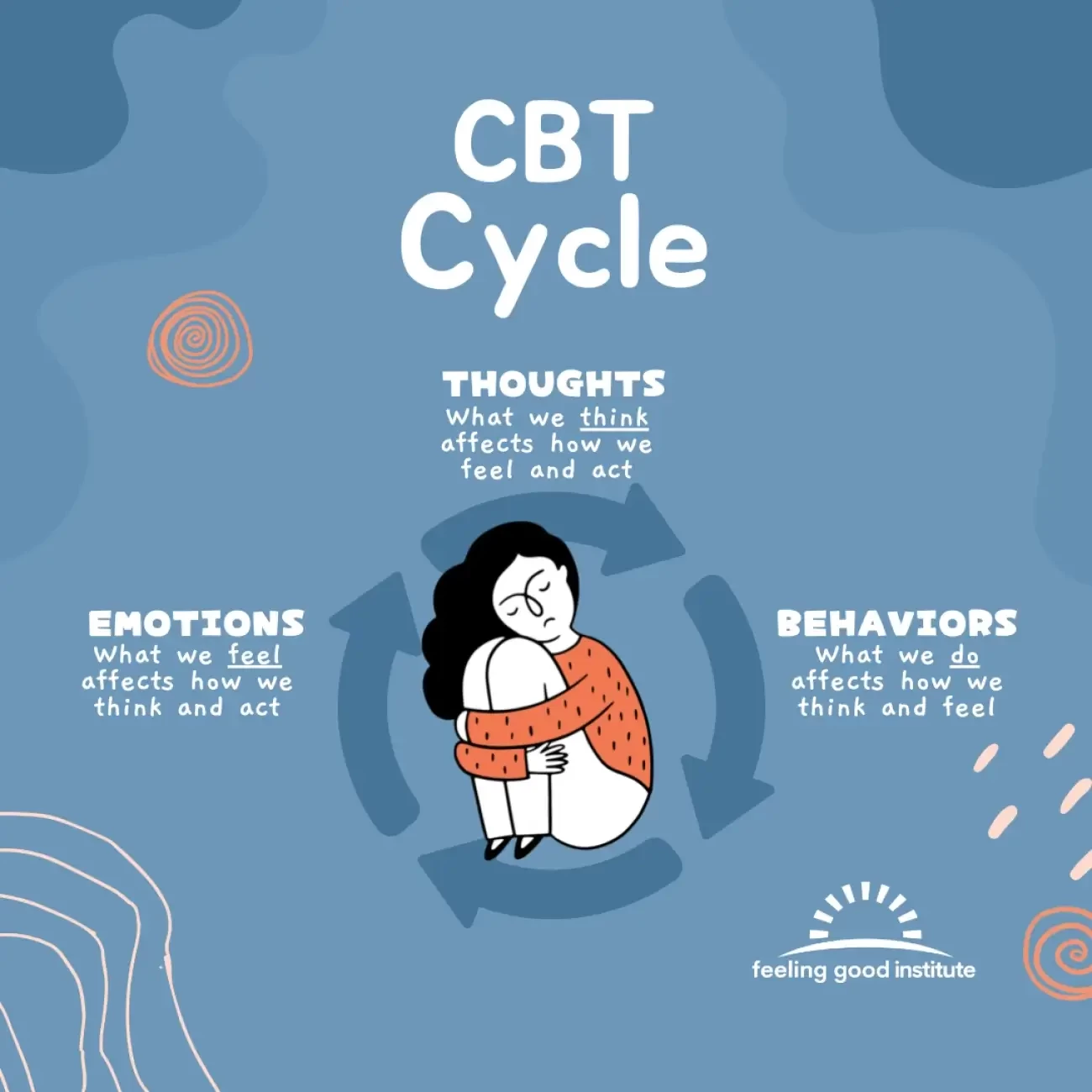
Depression can feel relentless—especially when traditional treatments haven’t provided relief. For people living with treatment-resistant depression, at-home ketamine therapy has emerged as a promising option, offering rapid symptom relief where other approaches have stalled. Yet while ketamine can open the door to change, it is often Cognitive Behavioral Therapy (CBT) that helps people walk through it.
When used together, CBT and at-home ketamine sessions can form a powerful, complementary approach to depression recovery, balancing fast neurobiological shifts with lasting psychological skills.
Understanding At-Home Ketamine Therapy
Ketamine is a medication that has been shown to reduce depressive symptoms—sometimes within hours—particularly in individuals who haven’t responded to standard antidepressants. In recent years, clinician-guided at-home ketamine sessions have become more accessible, allowing patients to receive treatment remotely while remaining under medical supervision.
Unlike traditional antidepressants that work gradually on neurotransmitters, ketamine appears to act on glutamate pathways, temporarily increasing neuroplasticity—the brain’s ability to form new connections. This can reduce rigid, depressive thought patterns and create a window of mental flexibility. However, without guidance, insight alone may fade.
That’s where CBT becomes essential.
A Brief Overview of CBT for Depression
Cognitive Behavioral Therapy is one of the most well-researched and effective treatments for depression. CBT helps individuals identify unhelpful thought patterns, challenge cognitive distortions, and develop healthier emotional and behavioral responses.
Rather than focusing solely on symptom relief, CBT equips people with practical skills—tools they can use long after therapy ends. These skills are especially valuable during periods of emotional openness, such as those created by ketamine treatment.
Why CBT and Ketamine Work Well Together
Ketamine may reduce depressive symptoms quickly, but CBT helps translate those changes into meaningful, lasting recovery. During and after ketamine sessions, people often experience new perspectives, emotional insights, or a sense of distance from long-held negative beliefs.
CBT provides a framework to:
- Make sense of these insights
- Challenge old narratives that resurface
- Reinforce healthier thinking patterns
- Turn awareness into action
In short, ketamine can soften the ground—but CBT helps plant and grow something sustainable.
Using CBT Before At-Home Ketamine Sessions
Preparation matters. CBT techniques can be used before ketamine sessions to set intentions and reduce anxiety. This may include:
- Identifying core negative beliefs (e.g., “I’m broken” or “Nothing will help”)
- Practicing cognitive reframing to create openness
- Using grounding exercises to manage anticipatory fear
Approaching at-home ketamine sessions with curiosity rather than expectation can help individuals feel safer and more receptive to the experience.
CBT-Based Integration After Ketamine Sessions
Integration is where lasting change happens. After a ketamine session, CBT techniques can help process and apply insights rather than letting them fade.
Common CBT integration tools include:
- Thought records to examine new perspectives that emerged
- Behavioral activation, encouraging small, values-aligned actions
- Evidence testing, asking “What supports this new belief?”
- Relapse prevention planning to anticipate challenges
This structured reflection helps bridge the gap between temporary symptom relief and long-term depression recovery.
Supporting Long-Term Depression Recovery
Ketamine alone is not a cure—and most clinicians agree it works best as part of a broader care plan. CBT strengthens the durability of ketamine’s effects by helping individuals develop resilience, emotional regulation, and problem-solving skills.
For many people, the combination leads to:
- Reduced relapse risk
- Greater self-efficacy
- Improved emotional awareness
- A clearer sense of agency in recovery
Rather than relying on ketamine as a repeated reset, CBT helps people build forward momentum.
Final Thoughts
Depression recovery is rarely about a single solution. At-home ketamine therapy can offer rapid relief and renewed hope, but it is often CBT that helps transform that opening into lasting change. Together, they address both the biology and psychology of depression—supporting not just feeling better, but living better.
If you’re exploring ketamine treatment, consider discussing how CBT or another structured therapy might be integrated into your care. Sustainable recovery is not just about what changes quickly—but what endures.