How fast does ketamine work for depression and why timing matters in recovery
How fast does ketamine work for depression remains one of the most common questions among people searching for alternatives to traditional antidepressants. Many individuals struggle for years with persistent symptoms despite trying multiple medications and therapies. Ketamine has gained attention because it often produces noticeable changes much faster than standard treatments, offering renewed hope for those facing treatment-resistant depression.
This article explains how ketamine works, what influences its speed of action, what patients may experience, and why medical supervision plays a critical role in safe and effective outcomes.

Understanding depression and treatment resistance
Depression affects mood, energy, sleep, focus, and motivation. While common antidepressants help many people, others see little or no improvement even after months of use. This challenge is known as treatment-resistant depression.
Traditional medications often target serotonin, norepinephrine, or dopamine. These chemicals matter, but they do not fully explain why depression persists in some individuals. Brain imaging and clinical research now show that depression also involves disrupted neural connections and chronic inflammation in the brain.
Ketamine addresses these deeper mechanisms, which explains its faster and often more noticeable effects.
What makes ketamine different from standard antidepressants
Ketamine works through a completely different pathway than most antidepressants. Instead of focusing on serotonin, it targets the glutamate system, the brain’s most abundant neurotransmitter network.
Glutamate controls learning, memory, emotional processing, and neural communication. When this system becomes dysregulated, depressive symptoms can deepen and persist. Ketamine helps restore balance by reducing excessive neural activity and promoting healthier brain signaling.
This unique action allows ketamine to work on the root of depression rather than only managing surface symptoms.
Why ketamine can act quickly in the brain
Ketamine promotes neuroplasticity, which is the brain’s ability to form new connections. Depression often weakens these connections, especially in areas linked to mood and decision-making.
After ketamine administration, the brain begins forming new synaptic pathways. These changes can occur within hours, rather than weeks. As a result, many patients notice shifts in mood, thought patterns, or emotional resilience much sooner than expected.
This rapid effect explains why ketamine has become a topic of serious interest in modern psychiatry.
How fast results may appear after ketamine treatment
Many patients report changes within the first 24 hours after a ketamine session. Some describe lighter mood, reduced emotional heaviness, or improved clarity. Others notice relief from suicidal thoughts or emotional numbness.
The speed of response varies, but ketamine often produces earlier improvement compared to traditional antidepressants, which may take four to six weeks to show results.
It is important to understand that speed does not guarantee permanence. Ongoing care and structured treatment plans help sustain benefits.
Factors that influence how quickly ketamine works
Several variables affect how fast ketamine produces noticeable changes.
Method of administration
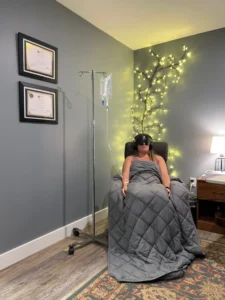
Intravenous infusions allow precise dosing and rapid absorption, which often leads to faster effects. Other forms, such as oral or nasal options, may work more gradually.
Severity of depression
People with long-standing or severe depression may require multiple sessions before experiencing significant relief.
Brain chemistry and health
Each person’s neurobiology responds differently. Sleep quality, stress levels, and overall health can influence outcomes.
Treatment structure
A medically supervised program with proper spacing between sessions often produces better and more consistent results.
What patients commonly feel during and after treatment
During treatment, patients often experience deep relaxation, altered perception, or a dream-like state. These effects usually remain mild and fade shortly after the session ends.
After treatment, many individuals describe:
- Improved mood stability
- Reduced negative thought loops
- Increased motivation
- Better emotional control
Not everyone responds the same way, which is why professional monitoring matters.
Safety considerations and medical supervision
Ketamine requires responsible medical oversight. Low therapeutic doses differ greatly from anesthetic or non-medical use. Licensed providers monitor vital signs, mental state, and comfort throughout treatment.
Common short-term side effects may include nausea, dizziness, or brief disorientation. These effects typically resolve quickly under professional care.
Medical supervision ensures that ketamine remains both safe and effective.
The role of treatment plans and follow-up care
Ketamine works best as part of a structured care plan rather than a one-time solution. Providers often recommend an initial series of sessions followed by maintenance treatments if needed.
Many patients benefit from combining ketamine therapy with:
- Psychotherapy
- Lifestyle adjustments
- Stress management strategies
- Ongoing mental health support
This integrated approach improves long-term outcomes and emotional resilience.
Addressing common myths about ketamine
Some people associate ketamine only with anesthesia or misuse. In clinical settings, doctors use carefully controlled doses designed specifically for therapeutic benefits.
Medical ketamine differs greatly from recreational exposure. Clinical use follows strict guidelines and prioritizes patient safety and outcomes.
Education helps reduce stigma and encourages informed decision-making.
Why ketamine is gaining acceptance in mental health care
Growing research supports ketamine’s role in treating depression that does not respond to standard medications. Medical communities continue to explore its potential for mood disorders, anxiety, and trauma-related conditions.
As evidence expands, ketamine is becoming a respected option rather than a last resort.
Long-term expectations and realistic outcomes
Ketamine does not cure depression, but it can create a window of relief that allows healing to begin. Many patients use this period to rebuild routines, strengthen coping skills, and engage more fully in therapy.
Realistic expectations help patients stay committed to the process and recognize progress beyond immediate symptom relief.
Who may be a good candidate for ketamine therapy
Ketamine therapy may suit individuals who:
- Have not responded to multiple antidepressants
- Experience severe or persistent depressive symptoms
- Seek faster symptom relief under medical care
A professional evaluation determines suitability and safety.
Ongoing research and future directions
Scientists continue studying how ketamine influences brain health and emotional regulation. New protocols and delivery methods aim to improve consistency and accessibility.
As understanding grows, ketamine may play an even larger role in mental health treatment worldwide.
Final perspective on ketamine and depression recovery
Depression can feel overwhelming, especially when traditional treatments fail. Ketamine offers a science-backed option that works through a different pathway and often delivers faster changes.
For many patients, this therapy represents renewed hope, clarity, and the possibility of meaningful improvement.
📞 Call to Action – Take the Next Step Toward Relief
If you are exploring advanced ketamine-based solutions for depression, professional support is available.
📞 Call: +1 531 400 1813
💬 WhatsApp message or call: +1 (531) 400 1813
Discover trusted ketamine pharmaceutical solutions through our product campaign:
🌐 Ketacynpharma.com
Start your journey toward informed, medically guided ketamine care today.