Is Ketamine Therapy Safe? A Complete Guide to Benefits, Risks, and Responsible Use
Introduction
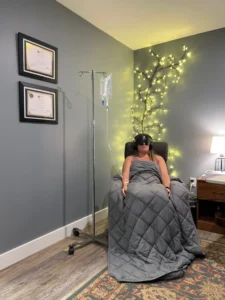
Is ketamine therapy safe for people who struggle with depression, anxiety, PTSD, and chronic pain? This question continues to attract attention as more clinics and patients explore ketamine as a modern mental health and pain management solution. Over the past decade, medical professionals have studied ketamine extensively, and many now recognize its therapeutic value when used responsibly.
Unlike traditional antidepressants that may take weeks to work, ketamine often delivers faster relief. However, safety remains a top concern for anyone considering this treatment. Understanding how ketamine works, who qualifies for treatment, and what precautions matter most can help patients make informed decisions.
This article provides a detailed, easy-to-read guide on ketamine therapy. You will learn about its medical uses, safety standards, possible risks, clinical supervision, and best practices. By the end, you will know how to approach ketamine treatment with confidence and care.
Understanding Ketamine and Its Medical Uses
Ketamine is a medication that doctors first developed in the 1960s as an anesthetic. Hospitals have used it safely for decades in surgeries and emergency rooms. Over time, researchers discovered that ketamine also affects brain chemicals linked to mood and pain perception.
Today, medical professionals use ketamine therapy for:
- Treatment-resistant depression
- Anxiety disorders
- Post-traumatic stress disorder (PTSD)
- Chronic pain conditions
- Bipolar depression
- Obsessive-compulsive disorder (OCD)
Unlike many antidepressants that focus on serotonin, ketamine works mainly on glutamate. Glutamate plays a key role in brain communication and emotional regulation. By targeting this system, ketamine helps rebuild neural connections that depression and trauma may weaken.
Because of this unique mechanism, ketamine often works faster than standard medications.
How Ketamine Therapy Works in the Body
To understand safety, you must first understand how ketamine interacts with the brain and nervous system.
1. Brain Chemistry and Neuroplasticity
Ketamine increases glutamate activity in specific brain regions. This process stimulates the growth of new neural pathways. As a result, patients may experience improved emotional flexibility and reduced negative thinking.
This effect supports neuroplasticity, which means the brain becomes better at adapting and healing.
2. Pain Signal Regulation
Ketamine also blocks NMDA receptors that transmit pain signals. For chronic pain patients, this mechanism reduces discomfort and inflammation sensitivity.
3. Emotional Processing
Many patients report feeling mentally “reset” after sessions. Ketamine may help the brain disengage from harmful emotional patterns, making therapy more effective.
These biological actions explain why ketamine shows promise in both mental health and physical treatment programs.
Is Ketamine Therapy Safe When Used Clinically?
Is ketamine therapy safe when administered in professional medical settings? Current evidence strongly suggests that it is safe when trained providers follow proper protocols.
Licensed clinics operate under strict medical guidelines, including:
- Pre-treatment evaluations
- Controlled dosage calculations
- Vital sign monitoring
- Emergency preparedness
- Post-treatment observation
Doctors adjust each treatment based on medical history, weight, age, and condition. This personalized approach minimizes complications and improves outcomes.
Clinical studies show that most patients tolerate ketamine well when doctors supervise the process.
Forms of Ketamine Therapy
Medical providers administer ketamine in several ways. Each method carries specific safety considerations.
1. Intravenous (IV) Infusion
IV ketamine remains the gold standard in clinical settings. Doctors deliver the medication directly into the bloodstream using controlled infusion pumps.
Advantages include:
- Precise dosing
- Immediate effects
- Continuous monitoring
This method offers the highest level of safety and reliability.
2. Intramuscular (IM) Injection
IM injections involve injecting ketamine into muscle tissue. This method provides quick absorption and consistent results.
Clinics often use IM for patients who cannot receive IV treatment.
3. Nasal Spray (Esketamine)
The FDA has approved esketamine nasal spray for treatment-resistant depression. Patients use it under supervision in certified clinics.
Although convenient, it still requires monitoring.
4. Oral and Sublingual Forms
Some providers prescribe lozenges or oral solutions for home use. While effective, this method demands strict medical guidance and responsible patient behavior.
Who Qualifies for Ketamine Therapy?
Not everyone qualifies for ketamine treatment. Doctors conduct screenings to protect patient safety.
Suitable Candidates Often Include:
- People with treatment-resistant depression
- Patients with severe anxiety or PTSD
- Individuals with chronic pain syndromes
- Patients who failed traditional therapies
Patients Who May Not Qualify:
- People with uncontrolled high blood pressure
- Those with severe heart conditions
- Individuals with active psychosis
- Patients with substance abuse disorders
Medical evaluations ensure that ketamine benefits outweigh potential risks.
Potential Side Effects and How Clinics Manage Them
Even safe treatments can cause side effects. Understanding them helps patients prepare.
Common Short-Term Effects
Most side effects remain mild and temporary:
- Dizziness
- Nausea
- Blurred vision
- Fatigue
- Increased heart rate
- Mild dissociation
These effects usually disappear within hours.
Less Common Reactions
Some patients may experience:
- Headaches
- Anxiety during sessions
- Temporary confusion
- Elevated blood pressure
Clinics monitor patients closely and intervene if needed.
Long-Term Safety
Research shows that medically supervised ketamine does not cause organ damage or addiction when used correctly. Problems usually arise only from recreational misuse.
The Role of Professional Supervision
Safety depends largely on clinical oversight. Reputable providers follow standardized protocols to protect patients.
Medical Screening
Doctors review:
- Medical history
- Medication lists
- Mental health background
- Substance use patterns
This process reduces risk.
Monitoring During Treatment
During sessions, staff monitor:
- Heart rate
- Blood pressure
- Oxygen levels
- Mental state
If anything changes, clinicians respond immediately.
Post-Treatment Support
After treatment, providers offer guidance on:
- Rest
- Hydration
- Emotional processing
- Follow-up care
This support strengthens long-term results.
Ketamine Therapy and Mental Health Integration
Ketamine works best when combined with therapy. Many clinics integrate counseling into treatment plans.
Benefits of Integrated Care
- Improves emotional insight
- Reduces relapse risk
- Strengthens coping skills
- Enhances self-awareness
Psychotherapy helps patients process experiences and build healthier habits.
Addiction Concerns and Responsible Use
One common question remains: can ketamine cause addiction?
In medical settings, addiction risk stays very low. Doctors limit dosage and frequency, which prevents dependency.
Recreational misuse, however, increases addiction risk. That is why professional supervision matters.
Responsible clinics emphasize:
- Structured schedules
- Limited access
- Ongoing assessments
These measures protect patient well-being.
Comparing Ketamine to Traditional Treatments
Traditional antidepressants focus mainly on serotonin and dopamine. Many patients wait weeks for results.
Ketamine differs in several ways:
| Feature | Traditional Antidepressants | Ketamine Therapy |
|---|---|---|
| Onset | 4–8 weeks | Hours to days |
| Target | Serotonin/Dopamine | Glutamate |
| Effectiveness | Moderate | High for resistant cases |
| Supervision | Limited | High |
Because of these advantages, many doctors consider ketamine a breakthrough option.
Lifestyle Factors That Improve Treatment Safety
Patients can improve outcomes by adopting healthy habits.
Before Treatment
- Avoid alcohol and drugs
- Stay hydrated
- Eat light meals
- Sleep well
After Treatment
- Rest properly
- Journal emotions
- Practice mindfulness
- Attend therapy sessions
These habits strengthen healing and reduce side effects.
Is Ketamine Therapy Safe for Long-Term Use?
Is ketamine therapy safe over extended periods? Current evidence suggests that long-term treatment remains safe under medical supervision.
Doctors adjust frequency based on patient response. Most programs use maintenance schedules rather than continuous dosing.
Regular evaluations ensure that treatment remains appropriate.
When patients follow medical advice, long-term safety remains strong.
Choosing the Right Ketamine Provider
Not all clinics operate at the same standards. Choosing a reliable provider protects your health.
Look for These Qualities:
- Licensed medical staff
- Transparent pricing
- Clear protocols
- Emergency equipment
- Positive patient reviews
Avoid unregulated providers offering unsupervised treatment.
Myths and Misconceptions About Ketamine Therapy
Myth 1: Ketamine Is Only a Party Drug
Reality: Hospitals have used ketamine safely for decades.
Myth 2: It Causes Permanent Brain Damage
Reality: Medical research shows no brain damage in clinical use.
Myth 3: It Works for Everyone
Reality: Results vary. Some patients respond better than others.
Myth 4: It Replaces Therapy
Reality: It works best alongside counseling.
Understanding facts helps patients make better decisions.
The Future of Ketamine Therapy
Ongoing research continues to improve ketamine protocols. Scientists now study:
- New delivery systems
- Personalized dosing
- Combined therapies
- Reduced side effects
As research advances, safety and effectiveness will continue to improve.
Ketamine represents a major shift in mental health treatment, offering hope to millions worldwide.
Final Thoughts: Making an Informed Decision
Is ketamine therapy safe? When licensed professionals administer it under strict medical supervision, evidence strongly supports its safety and effectiveness.
Patients who follow medical guidance, attend therapy, and maintain healthy habits often achieve lasting benefits. Like any medical treatment, success depends on responsible use and qualified providers.
Education remains the foundation of safe treatment. The more you know, the better choices you can make.
Call to Action: Start Your Healing Journey Today
If you or a loved one struggles with depression, anxiety, PTSD, or chronic pain, professional ketamine therapy may offer real relief.
📞 Call Now: +1 531 400 1813
💬 WhatsApp: +237 683 86 53 89
🌐 Visit: Ketacynpharma.com
Explore trusted Ketacynpharma products and professional treatment solutions designed to support your mental and physical wellness.
Do not let pain or emotional distress control your life. Contact our team today and take the first step toward recovery, balance, and renewed hope.
Your health matters. Your future matters. Let Ketacynpharma help you move forward.