A Clear Guide to Modern Ketamine Care for Anxiety Relief
Ketamine assisted therapy for anxiety has gained serious attention as more people search for effective options beyond traditional medications. Anxiety disorders affect daily functioning, sleep, relationships, and overall quality of life. While many treatments focus on long-term symptom management, ketamine introduces a different approach that targets the brain in a faster and more adaptive way.
This in-depth guide explains how ketamine works, why clinicians combine it with therapeutic support, and what patients can realistically expect. The goal is education, clarity, and confidence—without hype or confusion.

Understanding Anxiety and Why Treatment Often Falls Short
Anxiety does not always look the same. Some people experience constant worry, others struggle with panic attacks, social fear, or intrusive thoughts. Despite these differences, anxiety often involves rigid brain patterns that keep the nervous system in a heightened state of alert.
Common treatments such as SSRIs, benzodiazepines, and talk therapy help many people. However, a large group continues to experience symptoms even after trying multiple approaches. Side effects, delayed relief, or emotional numbness can also limit success.
This gap in care pushed researchers to explore therapies that act directly on brain flexibility rather than only on mood regulation.
What Makes Ketamine Different From Traditional Anxiety Treatments
Ketamine does not work like standard anti-anxiety medications. Instead of focusing on serotonin or dopamine alone, ketamine acts on the glutamate system. Glutamate plays a major role in learning, memory, and emotional processing.
By influencing this system, ketamine encourages the brain to form new neural connections. This process supports adaptability and reduces the grip of anxious thought loops. Many patients notice changes within hours or days, not weeks.
Clinicians often describe ketamine as a catalyst rather than a cure. It opens a window where therapy and personal insight become more effective.
The Role of Therapy Alongside Ketamine
Ketamine alone does not replace counseling or behavioral work. When professionals combine ketamine with guided therapy, patients gain more lasting benefits. The medication creates a receptive mental state, while therapy helps translate insights into real-world change.
During sessions, patients may reflect on emotions, memories, or thought patterns with less fear and resistance. This openness supports deeper understanding and emotional release.
Therapists then help patients integrate these experiences into daily life, reinforcing healthier coping strategies.
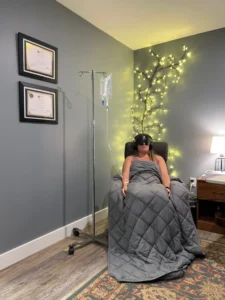
How Ketamine Sessions Typically Work
Most ketamine programs follow a structured process:
- Assessment: A medical provider evaluates mental health history, current symptoms, and treatment goals.
- Preparation: Patients receive education on what to expect, including possible sensations and emotional responses.
- Administration: Ketamine may be given through IV infusion, nasal spray, or lozenge, depending on the protocol.
- Monitoring: Clinicians track vital signs and comfort throughout the session.
- Integration: Follow-up discussions help patients process insights and apply them constructively.
Sessions usually last between 40 and 90 minutes, followed by a short recovery period.
What Patients Commonly Feel During Treatment
Experiences vary, but many patients report a sense of calm, mental distance from anxious thoughts, or a shift in perspective. Some describe mild dissociation, such as feeling detached from worries rather than overwhelmed by them.
Importantly, patients remain conscious and aware. The experience does not involve loss of control or emotional numbing. Instead, people often feel more connected to their inner state in a manageable way.
Safety and Medical Oversight
Licensed providers follow strict medical guidelines when offering ketamine therapy. Dosing stays precise and individualized. Continuous monitoring ensures patient safety, comfort, and stability.
Before starting treatment, clinicians screen for conditions that may require caution, such as uncontrolled high blood pressure or certain psychiatric histories. This careful approach keeps risks low and outcomes predictable.
Ketamine and Neuroplasticity: Why Results Can Feel Fast
Anxiety thrives on rigid mental pathways. Ketamine promotes neuroplasticity, which allows the brain to reorganize and adapt. This effect helps weaken fear-based responses and strengthens emotional regulation.
Because of this mechanism, many patients feel relief after only a few sessions. The brain gains flexibility, making therapy and lifestyle changes more effective.
Who May Benefit Most From This Approach
Ketamine-based therapy often helps people who:
- Experience chronic or severe anxiety
- Do not respond well to traditional medications
- Feel stuck in repetitive fear patterns
- Want a structured, medically supervised option
- Seek faster symptom relief alongside therapy
Each treatment plan remains personalized, ensuring alignment with individual needs and goals.
Addressing Common Concerns and Misconceptions
Some people worry that ketamine therapy involves sedation or intoxication. In clinical settings, providers control dosage carefully, and patients remain mentally present.
Others fear dependency. Under medical supervision, ketamine shows a low risk of misuse. Clinicians space sessions appropriately and avoid unnecessary exposure.
Clear education and professional guidance remove much of the uncertainty surrounding this treatment.
Long-Term Outcomes and Maintenance
Ketamine does not act as a one-time fix. Many programs use an initial series of sessions followed by maintenance treatments if needed. Ongoing therapy, stress management, and healthy routines support long-term success.
Patients who actively engage in integration work often see the strongest and most lasting improvements.
How This Therapy Fits Into Modern Mental Health Care
Mental health care continues to evolve toward personalized, neuroscience-based solutions. Ketamine represents a shift away from trial-and-error prescribing toward targeted brain support.
Researchers continue to study its applications, refine protocols, and establish best practices. As evidence grows, acceptance within the medical community continues to expand.
A Closer Look at the Experience of Anxiety Relief
Relief from anxiety often shows up as quieter mental noise, improved sleep, and better emotional balance. Patients may notice that stressful situations feel less overwhelming.
Rather than erasing emotions, ketamine helps reduce the intensity of fear responses. This balance allows people to respond thoughtfully instead of reacting automatically.
Integrating Insights Into Daily Life
The most meaningful change happens after sessions end. Journaling, therapy conversations, and mindful practices help anchor new perspectives.
Patients who commit to integration often describe increased resilience, improved relationships, and greater confidence in managing stress.
Why Professional Guidance Matters
Self-directed or unsupervised ketamine use carries risks and lacks therapeutic structure. Professional programs ensure ethical standards, medical safety, and meaningful outcomes.
Working with experienced providers transforms ketamine from a substance into a structured healing tool.
Ketamine assisted therapy for anxiety in Clinical Practice
When used responsibly, Ketamine assisted therapy for anxiety supports emotional flexibility and mental clarity. The combination of medical science and therapeutic guidance allows patients to move forward with purpose rather than fear.
This approach does not replace personal effort or professional support. Instead, it enhances both by creating conditions where change feels possible.
Ongoing Research and Future Directions
Researchers continue exploring optimal dosing, session frequency, and integration methods. Studies also examine how ketamine interacts with different anxiety subtypes.
As knowledge expands, treatment protocols will continue to improve, offering even more precise care.
Ketamine assisted therapy for anxiety as a Path Forward
For individuals who feel trapped by constant worry, Ketamine assisted therapy for anxiety offers a science-backed option rooted in safety and intention. It does not promise instant perfection, but it provides a powerful starting point for meaningful change.
Final Thoughts
Anxiety does not define who you are. With the right tools and professional support, relief becomes achievable. Ketamine-based therapy represents a modern, thoughtful response to a complex condition.
Education, preparation, and expert guidance remain key to success.
Take the Next Step With Trusted Support
If you want to learn more about ketamine-based solutions or explore reliable ketamine-related products, expert guidance matters.
📞 Call or text: +1 531 400 1813
💬 WhatsApp (message or call): +237 683 86 53 89
Discover the latest Ketacynpharma product campaign and high-quality ketamine solutions at Ketacynpharma.com. Ketacynpharma delivers dependable products designed to meet professional standards and evolving patient needs.
Your path to informed, responsible ketamine care starts today.