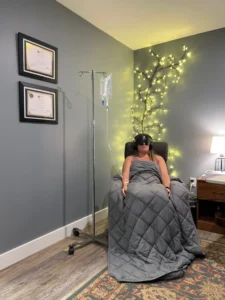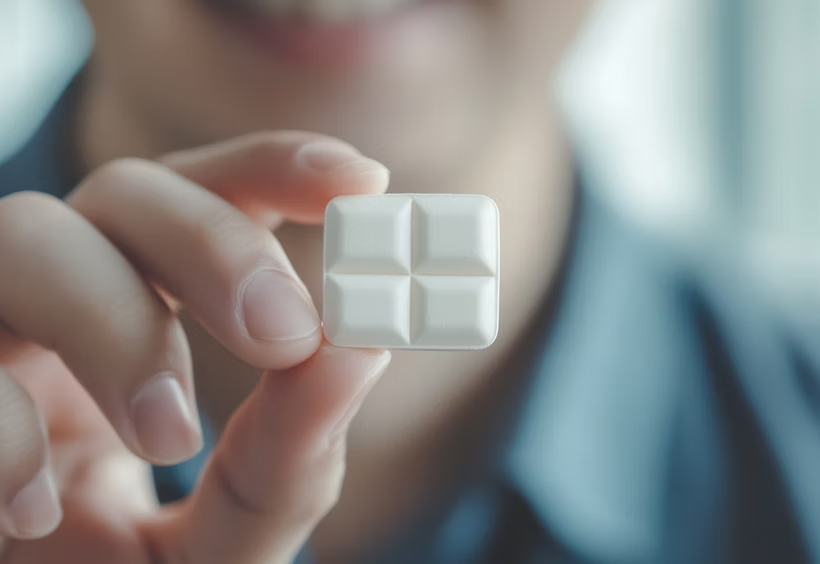
Ketamine troche dose is one of the most searched topics among people exploring ketamine therapy for depression, anxiety, PTSD, and chronic pain. Troches, also called ketamine lozenges, dissolve slowly in the mouth and allow the medication to absorb through the oral tissues. This delivery method offers a convenient alternative to injections or IV infusions while still supporting therapeutic benefits.
Ketamine treatment has become an important option for people who do not respond well to traditional antidepressants. Researchers continue to study how ketamine affects brain chemistry and why it can produce rapid improvements in mood and mental clarity. Understanding how troches work and how dosing is determined helps patients approach this treatment more safely and effectively.
What Are Ketamine Troches?
Ketamine troches are small medicated lozenges created by compounding pharmacies. Patients place the troche under the tongue or between the cheek and gum, where it dissolves gradually. The medication absorbs through the mucosal lining of the mouth instead of passing fully through the digestive system.
Because of this absorption pathway, the body can process ketamine more efficiently than when it is swallowed in capsule form.
Many clinicians use troches for:
- Maintenance therapy after ketamine infusions
- At-home supervised treatment plans
- Mood disorder management
- Chronic pain therapy
Troches provide a flexible option that allows patients to follow a structured treatment schedule without frequent clinic visits.
How Ketamine Works in the Brain
Ketamine interacts with the brain’s NMDA receptors, which influence learning, mood regulation, and neural communication. By temporarily blocking these receptors, ketamine triggers increased glutamate activity in other pathways. This process supports the formation of new neural connections.
These changes may help reset unhealthy thought patterns associated with depression or trauma.
Unlike traditional antidepressants that may take weeks to work, ketamine can sometimes produce noticeable mood improvements within hours or days.
Researchers continue to study ketamine for conditions such as:
- Treatment-resistant depression
- PTSD
- Anxiety disorders
- Bipolar depression
- Chronic neuropathic pain
What Determines the Right Troche Amount
Many people want to know the correct ketamine troche dose, but physicians determine dosage individually for each patient. Several important factors influence how a provider develops a treatment plan.
Body Weight
Weight often helps clinicians estimate an appropriate starting point before adjusting treatment based on patient response.
Medical History
Doctors review medications, mental health history, and overall health before recommending ketamine therapy.
Treatment Goals
A person treating depression may follow a different dosing protocol than someone using ketamine for chronic pain management.
Individual Sensitivity
Every patient responds differently. Some individuals experience strong therapeutic effects from smaller amounts, while others may require adjustments over time.
For this reason, medical supervision remains essential throughout ketamine treatment.
How Troches Are Typically Used
Patients place the troche under the tongue or in the cheek area and allow it to dissolve slowly. This usually takes several minutes while the medication absorbs into the bloodstream.
Providers often recommend:
- Using the troche in a calm and safe environment
- Sitting or lying down during the session
- Avoiding food or drinks shortly before treatment
- Resting afterward to allow effects to fade comfortably
Many treatment programs combine ketamine sessions with therapy or guided integration practices.
Possible Effects During Treatment
Ketamine troches can produce temporary psychological and physical sensations. These experiences vary depending on the individual and treatment plan.
Common short-term effects may include:
- Relaxation and calmness
- Mild dissociation
- Changes in perception or awareness
- Emotional reflection
- Enhanced introspection
These sensations usually fade within one to two hours after treatment.
Many patients report longer-lasting improvements in mood, motivation, and mental clarity after repeated sessions under medical guidance.
Safety Considerations
Although troches allow convenient administration, ketamine remains a powerful medication. Professional oversight helps ensure safe use and proper monitoring.
Patients should always:
- Follow their provider’s instructions
- Avoid self-adjusting doses
- Report side effects or concerns promptly
- Combine treatment with appropriate mental health care when recommended
Responsible use supports better outcomes and reduces potential risks.
Learn More About Ketamine Troche Options
Individuals researching troche therapy often explore compounded ketamine formulations available through specialized providers.
200 mg ketamine troche option here:
https://ketacynpharma.com/product/ketamine-troche-200mg/
Final Thoughts
Ketamine therapy continues to transform how clinicians approach treatment-resistant mental health conditions. Troches offer a practical and flexible method for delivering ketamine while supporting structured therapy programs.
Understanding how dosing works, how ketamine affects the brain, and why medical supervision matters helps patients make informed decisions about their care.
As research expands, ketamine treatments may continue to play an important role in modern mental health and pain management strategies.
Contact for More Information
If you want more information about ketamine troches or available products, you can reach out directly.
Call or WhatsApp:
📞 +1 (531) 400-1813
💬 WhatsApp: +1 (531) 400-1813
Visit Ketacynpharma.com to explore Ketacynpharma products and learn more about ketamine troche formulations.
For questions about orders, product availability, or treatment resources, contact the team by phone or WhatsApp for quick assistance.