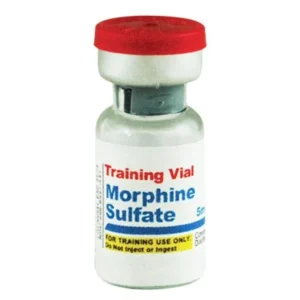
Does Ketamine Therapy Get You High? A Clear, Medical Explanation
Does ketamine therapy get you high is one of the most common questions people ask before considering this innovative mental health treatment. The concern makes sense. Ketamine has a long history as an anesthetic and a reputation outside medical settings. However, clinical ketamine therapy works very differently from recreational use. Understanding this difference helps patients make informed, confident decisions about their care.
This article explains how ketamine therapy affects the brain, what patients actually feel during treatment, and why the experience does not equal being “high.” It also explores safety standards, medical intent, and the growing role of ketamine in modern mental health care.
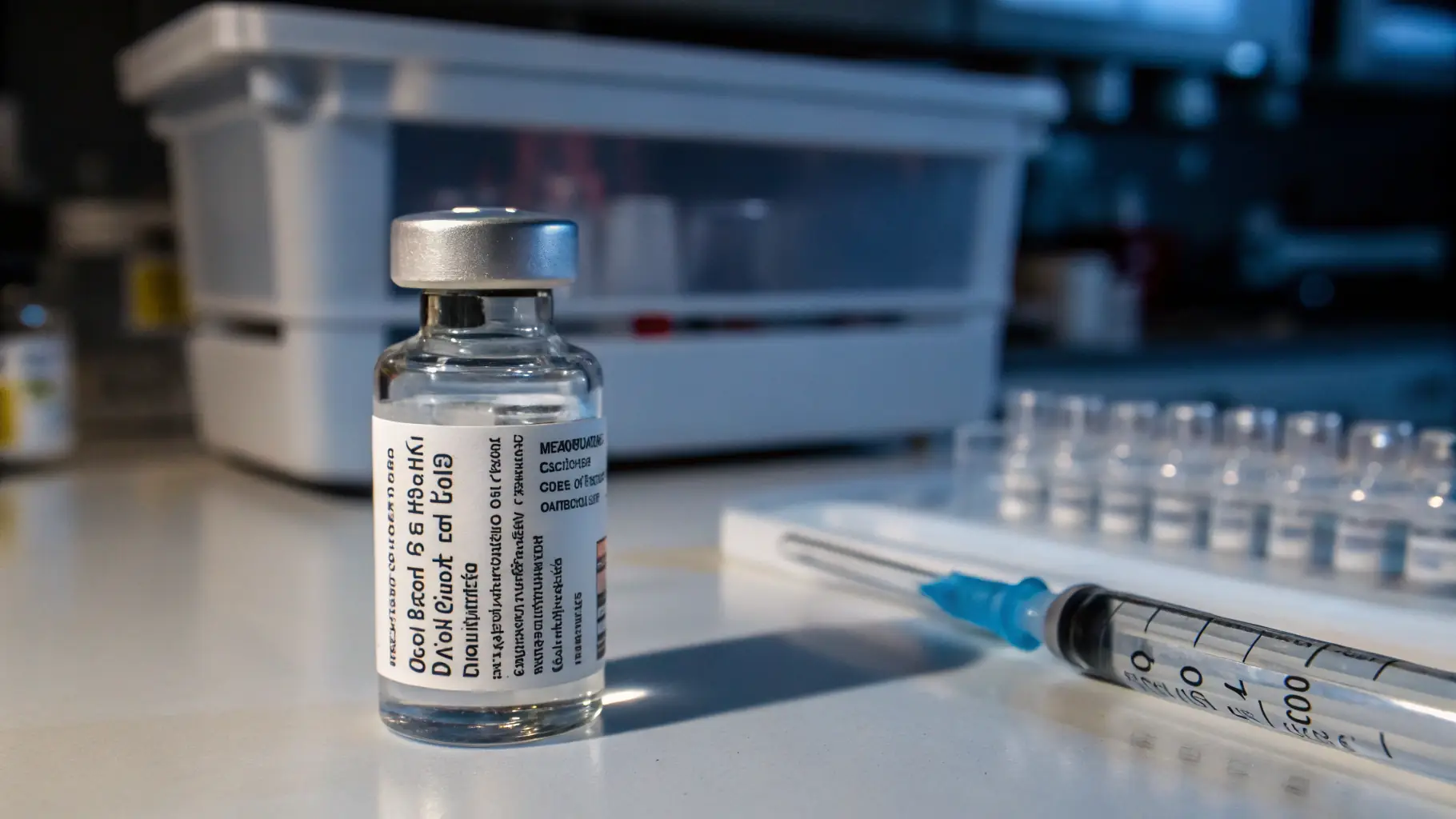
Understanding Ketamine: Medical Origins and Modern Use
Ketamine entered medical practice decades ago as a surgical anesthetic. Doctors valued it because it worked quickly and maintained stable breathing and blood pressure. Over time, researchers discovered something unexpected. Ketamine produced rapid improvements in mood and emotional regulation, even in patients who did not respond to traditional antidepressants.
Today, clinicians use ketamine in carefully measured doses to support people dealing with depression, anxiety, PTSD, chronic pain, and other conditions. The goal centers on healing and brain restoration, not intoxication.
Why People Associate Ketamine With Feeling “High”
Public perception often shapes fear. Ketamine appears in media stories and online discussions that focus on misuse rather than medicine. Recreational users seek dissociation or euphoria by taking uncontrolled amounts without supervision.
Medical ketamine therapy follows the opposite path. Clinicians design treatments around precision, safety, and therapeutic benefit. This difference explains why the experience feels unfamiliar but not intoxicating.
What Patients Actually Experience During Ketamine Therapy
Many patients describe ketamine therapy as calm, introspective, or mildly dissociative. Some notice changes in perception, such as altered time awareness or deeper emotional insight. These effects remain temporary and controlled.
Doctors monitor vital signs throughout each session. Patients stay grounded, aware, and safe. They do not lose control or chase pleasure. Instead, they often report clarity, emotional relief, or mental reset after treatment.
Does Ketamine Therapy Get You High in a Clinical Setting?
Does ketamine therapy get you high when administered by trained professionals? No. Medical ketamine does not aim to create a euphoric or addictive state. The dosage stays far below recreational levels and serves a specific therapeutic purpose.
Clinicians adjust each session based on the patient’s weight, condition, and response. This controlled approach eliminates the highs associated with misuse while preserving ketamine’s healing properties.
How Ketamine Works in the Brain
Ketamine targets glutamate, a neurotransmitter linked to learning and memory. Unlike traditional antidepressants that affect serotonin, ketamine stimulates rapid neural communication and encourages new brain connections.
This process supports neuroplasticity. In simple terms, ketamine helps the brain break unhealthy patterns and form healthier ones. That shift explains why many patients feel relief within hours or days rather than weeks.
Dissociation vs. Intoxication: Knowing the Difference
Dissociation often confuses people. It does not mean losing control or reality. In ketamine therapy, dissociation creates mental distance from negative thoughts or emotional pain. This separation allows the brain to reset and heal.
Intoxication, on the other hand, reduces awareness and judgment. Ketamine therapy avoids this entirely through careful dosing and medical oversight.
Safety Protocols in Professional Ketamine Therapy
Licensed clinics follow strict medical guidelines. These include:
- Pre-treatment evaluations
- Personalized dosing plans
- Continuous monitoring
- Post-session recovery support
These safeguards ensure that ketamine remains a therapeutic tool, not a recreational substance. Patients always receive guidance before, during, and after treatment.
Is Ketamine Therapy Addictive?
Ketamine addiction concerns often arise due to misuse outside medical settings. In therapy, addiction risk remains extremely low. Patients do not self-administer or increase doses. Clinicians control frequency and duration based on medical need.
Research shows that supervised ketamine therapy does not trigger dependency patterns seen with recreational abuse.
Who Benefits Most From Ketamine Therapy?
Ketamine therapy helps individuals who struggle with:
- Treatment-resistant depression
- Severe anxiety disorders
- PTSD
- Chronic pain conditions
- Mood disorders unresponsive to standard medication
By acting on different brain pathways, ketamine offers hope where other treatments fail.
Does Ketamine Therapy Get You High Compared to Other Treatments?
Does ketamine therapy get you high when compared to antidepressants or sedatives? No. Many traditional medications cause sedation, emotional blunting, or fatigue. Ketamine often produces mental clarity and emotional openness instead.
Patients remain present and engaged during sessions, which supports meaningful therapeutic outcomes.
Emotional Processing During Ketamine Sessions
Ketamine therapy often pairs with counseling or integration sessions. During treatment, patients may reflect on emotions, memories, or personal insights. This mental openness supports healing rather than escapism.
The experience feels purposeful, not recreational.
The Role of Ketamine in Modern Mental Health Care
Mental health treatment continues to evolve. Ketamine represents a shift toward faster, neuroscience-based solutions. Researchers continue studying its benefits, safety, and long-term impact.
Medical communities increasingly recognize ketamine as a legitimate therapeutic option rather than a controversial substance.
Addressing Common Myths About Ketamine Therapy
Many myths surround ketamine. Some believe it causes hallucinations or loss of control. Others think it replaces therapy entirely. These assumptions miss the reality.
Ketamine works best as part of a comprehensive treatment plan guided by professionals. It enhances healing but does not act as a shortcut or escape.
Does Ketamine Therapy Get You High or Help You Heal?
Does ketamine therapy get you high or does it promote healing? Clinical evidence supports healing. Patients seek relief, clarity, and emotional balance—not intoxication.
When used responsibly, ketamine serves as a powerful medical tool that restores mental flexibility and resilience.
Choosing a Trusted Ketamine Provider
Selecting a reputable provider matters. Look for clinics that prioritize medical oversight, patient education, and ethical practices. Transparency builds trust and ensures safe outcomes.
Final Thoughts on Ketamine Therapy
Ketamine therapy challenges outdated assumptions. It offers rapid relief without the risks associated with recreational use. Understanding the science and structure behind treatment helps remove fear and confusion.
With professional care, ketamine supports healing rather than escapism.
Call to Action: Start Your Ketamine Journey Safely
If you are exploring ketamine therapy or looking for trusted ketamine-related products, expert guidance makes all the difference.
📞 Call or text: +1 531 400 1813
💬 WhatsApp (message or call): +237 683 86 53 89
Explore the latest Ketacynpharma product campaign and premium ketamine-related solutions at Ketacynpharma.com. Ketacynpharma delivers quality, compliance, and innovation for professionals and patients seeking reliable ketamine products.
Take the next step toward informed, responsible ketamine care today.