Veterans face unique mental health challenges after their service. Conditions like post-traumatic stress disorder (PTSD), depression, anxiety, and chronic pain affect many who have served in the military. For some, traditional treatments such as therapy and antidepressants do not provide adequate relief. In recent years, ketamine therapy has emerged as a promising solution, offering fast-acting relief for those struggling with treatment-resistant mental health conditions.
What is Ketamine Therapy?
Ketamine, originally used as an anesthetic, has been adapted in medical settings to treat mental health disorders, particularly major depression, PTSD, and certain anxiety disorders. Unlike traditional medications that may take weeks to show results, ketamine can offer relief within hours or days. It works by affecting neurotransmitters in the brain, helping regulate mood and promote neural pathways that improve emotional resilience.
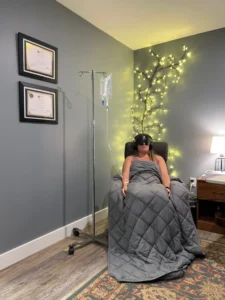
Ketamine therapy is administered under strict medical supervision, usually in a clinic setting, through intravenous (IV) infusions, nasal sprays, or oral formulations. Treatments are tailored to each patient’s needs, and professional monitoring ensures safety and effectiveness.
Why Veterans Need Alternative Treatment Options
Life after military service can be emotionally complex. Exposure to combat, traumatic experiences, and military-related stress can leave long-lasting psychological effects. Veterans often face higher rates of PTSD, depression, and anxiety compared to the general population. For those whose symptoms do not improve with standard treatments, alternative therapies like ketamine may provide a crucial lifeline.
Rapid relief from depression and trauma-related symptoms can greatly improve quality of life. It helps veterans reengage with family, work, and community life while supporting their mental and emotional recovery.
Accessing Free or Covered Ketamine Treatment
Although ketamine therapy can be costly, there are opportunities for veterans to access treatment at reduced cost or even for free:
- VA Programs and Referrals
Some veterans qualify for treatment coverage through the U.S. Department of Veterans Affairs (VA) or affiliated community care programs. By consulting a VA physician, veterans can determine if ketamine therapy is a suitable option and request a referral to approved providers. Coverage may include clinic visits, treatment sessions, and follow-up care. - Nonprofit and Grant Programs
Various nonprofit organizations provide financial assistance for veterans seeking alternative therapies. These grants often cover the cost of ketamine sessions, integration support, and additional mental health services, helping veterans access care without financial stress. - Veteran-Focused Clinics
Certain clinics specialize in providing mental health care tailored for veterans. They combine ketamine therapy with counseling, integration support, and structured treatment plans designed to address the unique needs of those who have served in the military.
Ensuring Safe and Effective Treatment
Ketamine therapy should always be delivered under professional supervision. Self-administration or unmonitored use can be dangerous and may lead to adverse effects. Clinics provide medical assessments, monitor patient responses during treatment, and offer guidance for ongoing mental health care.
Combining Ketamine with Comprehensive Care
Ketamine is most effective when paired with ongoing support and therapy. Counseling, peer support, and integration strategies help veterans apply insights gained during treatment to daily life. Comprehensive care improves long-term outcomes, strengthens coping skills, and fosters emotional resilience.
Conclusion
Free or low-cost ketamine therapy offers veterans a new option for addressing complex mental health challenges, especially when traditional treatments have failed. By accessing VA programs, nonprofit grants, or veteran-focused clinics, eligible veterans can receive safe and professional care. Ketamine therapy provides not only symptom relief but also hope, allowing veterans to reclaim stability, mental wellness, and a fulfilling life after service.