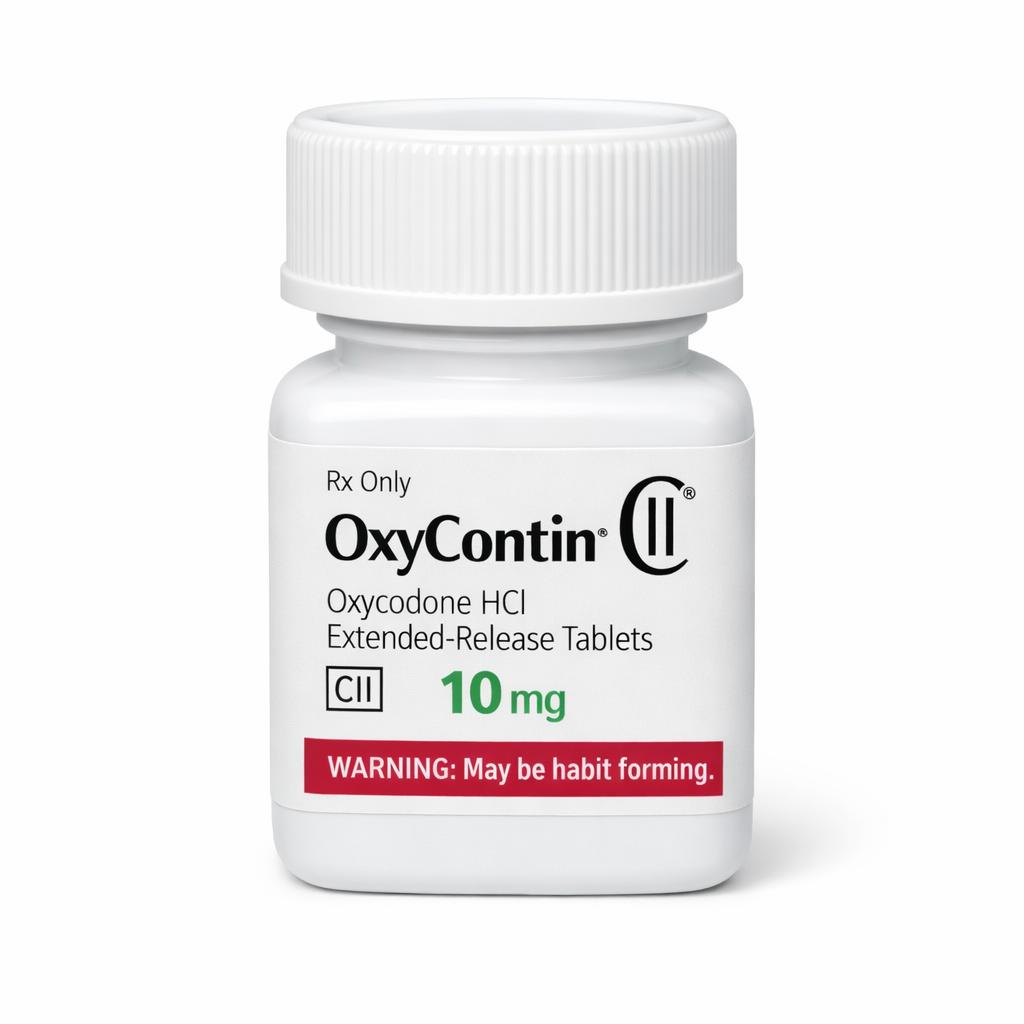
How long does OxyContin stay in your system is a question many people ask when taking prescription opioids for pain relief. Patients often want to understand the drug’s timeline before medical tests, treatment changes, or drug screenings.
OxyContin contains oxycodone, a long-acting opioid used to treat moderate to severe pain. Because it uses an extended-release formula, the medication enters the bloodstream slowly and provides relief for several hours. However, the body still needs time to fully process and eliminate it.
Most people clear OxyContin from their bloodstream within 24 to 36 hours, although drug tests may detect it for longer depending on the testing method.
How the Body Processes OxyContin
The liver breaks down oxycodone into metabolites, while the kidneys remove these substances through urine. The average half-life of extended-release oxycodone ranges between 4.5 and 6.5 hours.
Since drugs usually need about five half-lives to leave the body, traces can remain for more than a day after the last dose.
However, metabolism differs from person to person. As a result, elimination times can vary.
Drug Test Detection Times
Different drug tests detect OxyContin for different periods.
Blood Test
- Detectable for about 24 hours
Saliva Test
- Detectable for 24–48 hours
Urine Test
- Detectable for 3–4 days
Hair Test
- Detectable for up to 90 days
Urine testing remains the most common screening method used in workplaces and clinics.
Factors That Affect How Long It Stays in the Body
Several factors influence how quickly the body eliminates oxycodone.
Metabolism – Faster metabolism usually clears drugs more quickly.
Age – Older adults often process medications more slowly.
Dosage – Higher or frequent doses can extend detection times.
Liver health – Liver conditions may slow drug metabolism.
Hydration and lifestyle – Healthy habits can support normal detoxification.
Because of these factors, two people taking the same medication may show different results on a drug test.
The Role of Ketamine in Modern Pain Management
While opioids like OxyContin remain useful for certain conditions, healthcare providers are exploring alternatives for long-term pain treatment. One option gaining attention is ketamine therapy.
Ketamine works differently from opioids. Instead of targeting opioid receptors, it affects NMDA receptors in the brain, which influence pain signals and neural communication.
As a result, controlled ketamine therapy may help patients who struggle with chronic pain or treatment-resistant conditions. Many researchers also study its potential role in treating depression and other mental health disorders.
Because of these benefits, ketamine has become an important topic in modern pain management research.
Final Thoughts
Understanding how long does OxyContin stay in your system helps patients use medications responsibly and prepare for medical screenings. In most cases, the drug leaves the bloodstream within a day or two, but tests like urine or hair analysis may detect it for longer.
At the same time, new treatments such as ketamine therapy continue to expand options for people seeking effective pain relief with reduced dependence on traditional opioids.
Contact Us
For more information about pharmaceutical solutions and ketamine-related products, reach out to our team.
📞 Call: +1 531 400 1813
💬 WhatsApp / Message: +1 (531) 400 1813
🌐 Product Campaign:
Visit Ketacynpharma.com to explore the latest Ketacynpharma products and learn more about innovative healthcare solutions.