Ketamine Success Rate for Anxiety: Just What You Need to Know Before Starting Treatment.
Ketamine success rate for anxiety has become a major topic among patients searching for faster and more effective relief from persistent anxiety disorders. Many people who struggle with generalized anxiety, panic attacks, social anxiety, or treatment-resistant symptoms want clear answers. They ask one simple question: Does ketamine actually work for anxiety, and how successful is it?
This comprehensive guide explains how ketamine works, what research reveals about outcomes, what factors influence results, and how patients can improve their chances of success. If you want honest, evidence-based information about ketamine therapy, this article will help you make an informed decision.
Understanding Anxiety Disorders
Anxiety disorders affect millions of people worldwide. They go beyond normal stress or occasional nervousness. Persistent anxiety can interfere with work, relationships, sleep, and overall health. Common types include:
- Generalized Anxiety Disorder (GAD)
- Panic Disorder
- Social Anxiety Disorder
- Post-traumatic Stress Disorder (PTSD)
- Obsessive-Compulsive Disorder (OCD)
Traditional treatments often include selective serotonin reuptake inhibitors (SSRIs), benzodiazepines, and cognitive behavioral therapy (CBT). While many patients benefit from these options, some experience minimal improvement or severe side effects. This gap in treatment response has encouraged clinicians to explore alternatives like ketamine.
What Is Ketamine and How Does It Work?
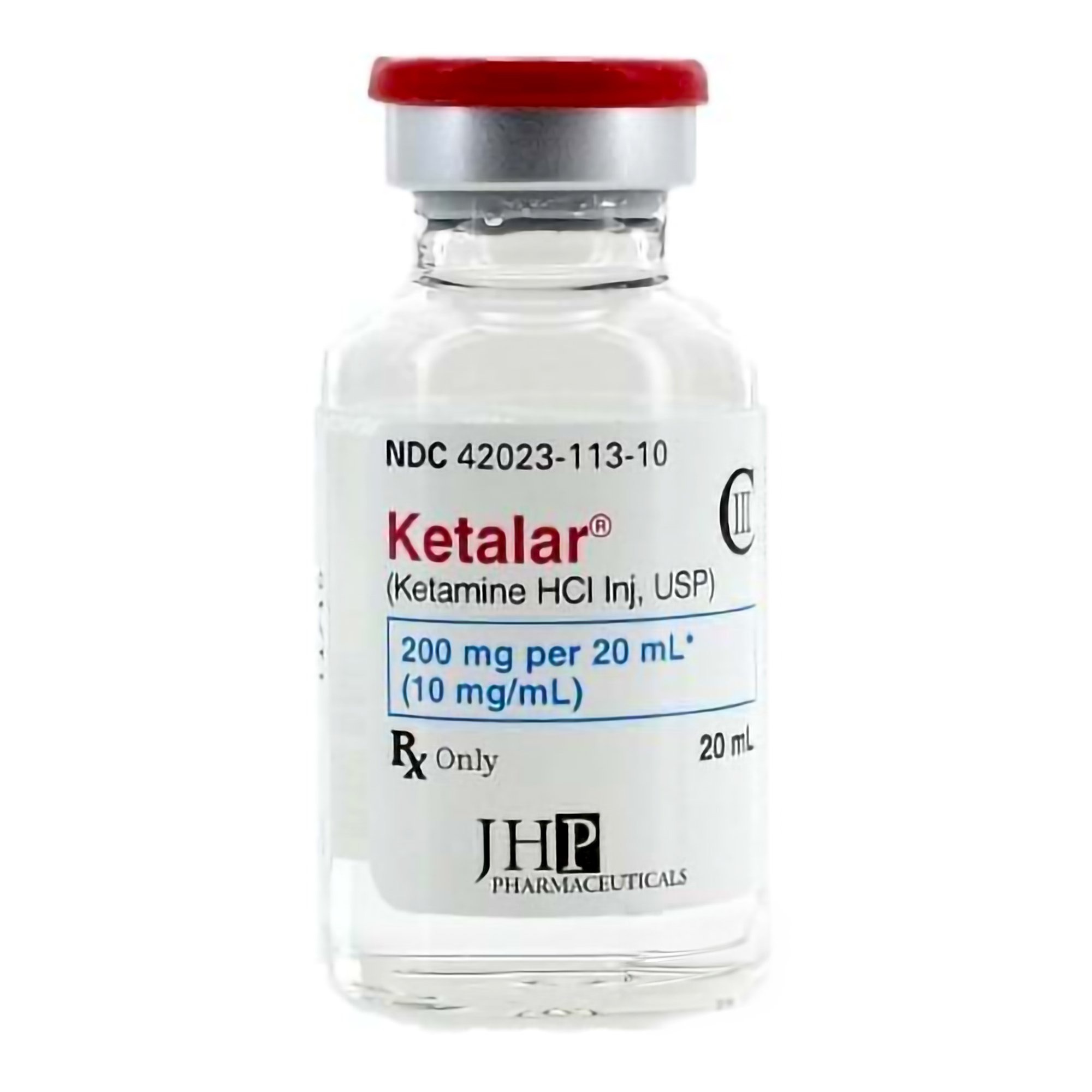
Ketamine is a medication originally developed as an anesthetic. Over the past two decades, researchers discovered its rapid-acting effects on mood disorders. Unlike traditional antidepressants that target serotonin, ketamine works primarily on the glutamate system in the brain.
Glutamate regulates learning, memory, and neural communication. Ketamine blocks NMDA receptors, which triggers a cascade of events that promote neural growth and strengthen synaptic connections. These changes can help “reset” dysfunctional brain circuits associated with anxiety and depression.
Many patients report noticeable improvement within hours or days, rather than weeks. This rapid response makes ketamine therapy especially attractive for individuals who have not responded to standard medications.
Ketamine Success Rate for Anxiety: What Research Shows
When discussing ketamine success rate for anxiety, it is important to look at clinical data rather than anecdotal stories.
Several clinical studies show promising results:
- Many patients with treatment-resistant anxiety experience significant symptom reduction after a series of infusions.
- Some research indicates response rates ranging between 50% and 70% for anxiety symptoms.
- Patients with comorbid depression often report even stronger improvements.
Success usually means a measurable reduction in anxiety scores, improved daily functioning, and better emotional regulation. While not everyone achieves complete remission, a substantial portion of patients report meaningful relief.
It is important to understand that results vary. Individual biology, diagnosis, dosage, and treatment protocol all influence outcomes.
Factors That Influence Treatment Success
The ketamine success rate for anxiety does not depend on one single factor. Several elements determine how well a person responds.
1. Type of Anxiety Disorder
Some anxiety conditions respond more quickly than others. Patients with generalized anxiety or social anxiety often show strong improvements. PTSD-related anxiety may require more structured protocols and psychotherapy support.
2. Treatment Resistance
People who have tried multiple medications without relief often seek ketamine therapy. Even in treatment-resistant cases, many individuals experience improvement. However, response rates may vary depending on prior treatment history.
3. Administration Method
Ketamine can be delivered through:
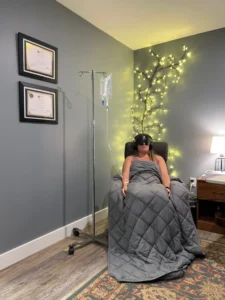
- Intravenous (IV) infusions
- Intramuscular injections
- Nasal spray (esketamine)
- Oral lozenges
IV infusions allow precise dosing and monitoring, which may contribute to higher response consistency.
4. Treatment Frequency
Most protocols begin with a series of treatments over two to three weeks. Maintenance sessions may follow. Sticking to the recommended schedule often improves long-term results.
5. Integration With Therapy
Combining ketamine with psychotherapy increases the likelihood of sustained improvement. The medication may enhance neuroplasticity, making patients more receptive to therapeutic interventions.
How Quickly Does Ketamine Reduce Anxiety?
One of the main reasons patients explore ketamine therapy is its rapid onset of action. Traditional antidepressants may take four to six weeks before noticeable improvement occurs. Ketamine often produces relief within hours or days.
Many patients describe:
- Reduced intrusive thoughts
- Lower physical tension
- Improved sleep
- Increased emotional clarity
While early relief is common, maintaining those results requires proper follow-up care.
How Long Do the Effects Last?
The duration of benefit varies. Some patients feel relief for several weeks after an initial series. Others require maintenance treatments every four to eight weeks.
Lifestyle factors such as stress management, sleep quality, diet, and ongoing therapy influence sustainability. Ketamine opens the door for healing, but long-term stability often depends on comprehensive care.
Safety and Side Effects
Ketamine therapy for anxiety generally has a strong safety profile when administered under medical supervision. Common short-term effects include:
- Mild dissociation
- Dizziness
- Nausea
- Temporary increases in blood pressure
These effects usually resolve within hours. Clinics monitor patients throughout the session to ensure safety.
Long-term misuse can lead to complications, but medical protocols use controlled doses in supervised settings. Patients should always consult a qualified healthcare provider before beginning treatment.
Who Is an Ideal Candidate?
Ketamine therapy may benefit individuals who:
- Struggle with moderate to severe anxiety
- Have not responded to traditional medications
- Experience intolerable side effects from SSRIs or benzodiazepines
- Need rapid symptom relief
However, people with certain cardiovascular conditions or a history of psychosis may require careful screening. A comprehensive evaluation determines eligibility.
Comparing Ketamine to Traditional Anxiety Treatments
Traditional medications target serotonin and GABA systems. They often require daily dosing and gradual titration. Some patients experience weight gain, sexual dysfunction, or emotional numbness.
Ketamine acts on glutamate pathways and works rapidly. It does not require daily dosing in most protocols. Many patients appreciate the faster improvement and reduced long-term medication burden.
Still, ketamine does not replace therapy or healthy coping strategies. Instead, it complements a broader mental health plan.
Is Ketamine a Cure for Anxiety?
Ketamine is not a permanent cure. It functions as a powerful tool that reduces symptoms and promotes brain adaptability. Patients who combine treatment with lifestyle changes, therapy, and stress management strategies often achieve better outcomes.
Understanding realistic expectations is essential. While the ketamine success rate for anxiety appears encouraging, results differ among individuals.
Maximizing Your Chances of Success
If you consider ketamine therapy, you can take steps to improve outcomes:
- Choose a reputable clinic with medical supervision.
- Follow the recommended treatment schedule.
- Participate in psychotherapy sessions.
- Maintain healthy sleep and nutrition habits.
- Communicate openly about side effects or concerns.
A proactive approach increases the likelihood of sustained relief.
Final Thoughts on Ketamine and Anxiety Relief
Interest in innovative mental health treatments continues to grow. The ketamine success rate for anxiety offers hope to individuals who feel stuck with limited options. Clinical data suggests that many patients experience meaningful symptom reduction, especially when treatment occurs in a structured and supportive environment.
If you struggle with persistent anxiety and traditional treatments have not provided adequate relief, exploring ketamine therapy with a qualified professional may open new possibilities.
Take the Next Step Toward Relief
If you want more information about ketamine-based solutions or high-quality ketamine products, reach out today.
📞 Call Now: +1 531 400 1813
💬 WhatsApp: +1 (531) 400 1813
🌐 Explore Products: Visit Ketacynpharma.com to learn more about Ketacynpharma products and current campaigns.
Do not let anxiety control your life. Take action today and discover how innovative ketamine solutions can support your journey toward mental wellness.