Curious about what ketamine actually feels like? Whether you’ve heard about it in medical settings or discussions around mental health therapy, understanding the effects of Ketamine can help you separate facts from hype. The experience can vary widely depending on the dose, environment, and purpose—but there are some common sensations many people report.
Understanding Ketamine: More Than Just an Anesthetic
Ketamine is a dissociative anesthetic used in hospitals for pain relief and sedation. In recent years, it has gained attention for its role in treating conditions like depression under medical supervision.
What makes ketamine unique is how it affects the brain—it can temporarily alter perception, mood, and consciousness in ways that feel deeply immersive.
The Initial Sensation: Lightness and Detachment
At lower doses, people often describe the onset as a wave of calm and physical lightness. You may feel:
- Relaxed and slightly euphoric
- Detached from your body (like floating)
- Less aware of pain or tension
Many compare it to a dreamlike state, where your thoughts feel distant but peaceful.
The Peak Experience: Dissociation and “Out-of-Body” Feelings
As the effects intensify, ketamine can lead to what’s known as dissociation—a hallmark of the experience.
During this phase, users often report:
- Feeling separated from their body or identity
- Distorted sense of time (minutes feel like hours)
- Visual or auditory changes (patterns, colors, echoes)
- A sensation of “floating” or traveling through space
This deeper state is sometimes referred to as a “K-hole,” where reality feels completely altered.
Emotional and Mental Effects
Ketamine doesn’t just affect the body—it also impacts emotions and thoughts.
Common mental experiences include:
- Euphoria or emotional release
- A sense of clarity or new perspective
- Reduced anxiety (in controlled settings)
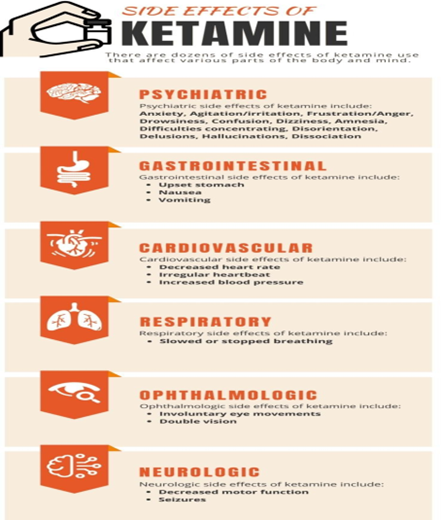
- Occasionally, confusion or disorientation
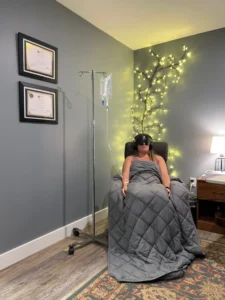
In therapeutic environments, these effects are carefully guided to support mental health breakthroughs.
Not Always Pleasant: Potential Negative Effects
While some experiences are positive, ketamine isn’t always comfortable—especially outside medical supervision.
Possible downsides include:
- Nausea or dizziness
- Loss of coordination
- Anxiety or panic in higher doses
- Difficulty speaking or moving
The setting (“set and setting”) plays a huge role in whether the experience feels calming or overwhelming.
How Long Does the Experience Last?
Ketamine acts quickly but doesn’t last as long as many other substances:
- Onset: Within minutes
- Peak effects: 30–60 minutes
- After-effects: 1–2 hours of lingering sensations
Even after the main effects fade, you might feel slightly dreamy or tired.
Final Thoughts: A Powerful but Complex Experience
So, what does Ketamine feel like?
It can range from gentle relaxation to intense dissociation, often described as floating, dreaming, or stepping outside your body.
However, it’s important to remember:
- Experiences vary widely
- Dose and environment matter greatly
- Medical supervision is essential for safe, therapeutic use