What Is the Most Addictive Drug? Understanding Addiction, Risks, and the Role of Ketamine in Recovery
What is the most addictive drug? This question often comes from people who want to protect their health, support loved ones, or understand how substance use affects the brain and body. Addiction does not happen overnight. It grows through repeated exposure, emotional dependence, and changes in brain chemistry. By learning how addiction works, you can make better choices and find safer paths to recovery.
In this guide, you will discover how addiction develops, which substances carry the highest risk, and how modern treatments—such as ketamine-assisted therapy—can support healing. You will also learn practical ways to reduce harm and seek professional help.
Understanding Drug Addiction: More Than Just Willpower
Many people believe addiction results from weak character or poor self-control. In reality, addiction is a complex medical condition. It changes how the brain processes pleasure, stress, and motivation.
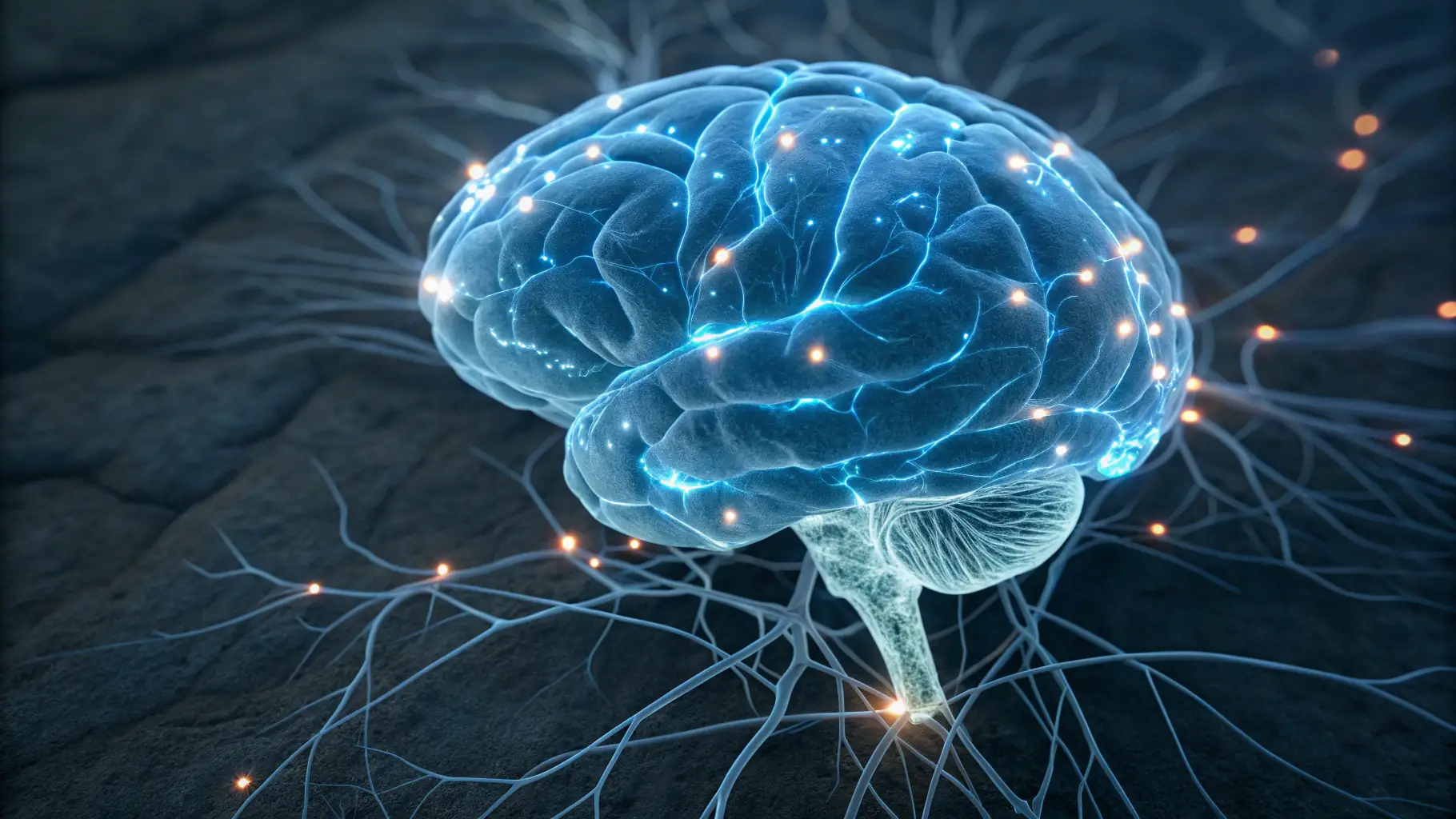
When someone uses a substance, the brain releases dopamine. This chemical creates feelings of reward and satisfaction. Over time, repeated use trains the brain to depend on the substance for pleasure. As a result, natural rewards such as food, relationships, or achievements lose their impact.
Key Features of Addiction
Addiction usually includes:
- Strong cravings
- Loss of control over use
- Continued use despite harm
- Withdrawal symptoms
- Emotional dependence
Because these changes happen in the brain, quitting often requires medical and psychological support.
What Makes a Drug Highly Addictive?
Not all substances carry the same risk. Some drugs affect the brain faster and more intensely than others. Several factors determine how addictive a substance can be.
1. Speed of Effect
Drugs that enter the brain quickly tend to be more addictive. For example, injected or smoked substances reach the brain faster than oral medications.
2. Intensity of Pleasure
The stronger the “high,” the more likely the brain will crave it again. Powerful dopamine spikes increase dependency risk.
3. Tolerance Development
With repeated use, the body needs more of the drug to achieve the same effect. This process pushes users toward higher doses.
4. Withdrawal Symptoms
Severe withdrawal makes quitting harder. People often continue using to avoid discomfort rather than to feel pleasure.
5. Emotional Escape
Substances that numb pain, anxiety, or depression can become emotional crutches. Over time, users may rely on them to cope.
Commonly Recognized Highly Addictive Substances
Health experts often point to several drugs that show strong addictive potential. While experiences differ, these substances frequently appear in addiction research.
Heroin and Other Opioids
Heroin and prescription opioids strongly affect pain and pleasure centers. They produce intense euphoria and fast dependence. Withdrawal can cause severe physical symptoms, which increases relapse risk.
Cocaine and Crack Cocaine
Cocaine creates short but powerful highs. Crack cocaine, which users smoke, reaches the brain almost instantly. This rapid effect makes repeated use more likely.
Nicotine
Although legal, nicotine remains one of the most addictive substances. It changes brain chemistry and reinforces habits quickly. Many smokers struggle to quit despite knowing the risks.
Alcohol
Alcohol addiction often develops slowly. However, dependence can become severe. Withdrawal may cause anxiety, tremors, and even life-threatening complications.
Methamphetamine
Meth releases large amounts of dopamine. It also damages brain cells over time. This combination leads to strong cravings and long-term mental health problems.
Where Does Ketamine Fit into This Discussion?
Ketamine started as an anesthetic. Today, doctors also use it for pain management and mental health treatment. In controlled medical settings, professionals administer ketamine in safe doses.
However, recreational misuse can lead to psychological dependence. Some users chase its dissociative effects, which can increase risky behavior. Therefore, medical supervision remains essential.
Medical vs. Recreational Use
- Medical use: Carefully measured, monitored, and part of treatment plans
- Recreational use: Unregulated, higher risk, and linked to misuse
When used responsibly in clinical care, ketamine shows promise for treating depression, PTSD, and addiction itself.
The Brain Science Behind Dependence
To understand why some substances feel impossible to quit, you must look at brain pathways.
Dopamine and Reward Loops
Every addictive substance increases dopamine. Over time, the brain reduces natural production. This change creates a cycle where users feel “normal” only after using the drug.
Memory and Triggers
The brain links places, people, and emotions with drug use. For example, stress or certain locations may trigger cravings even after long periods of sobriety.
Stress Response
Chronic substance use increases stress hormones. As a result, users feel more anxious without the drug, which strengthens dependency.
Mental Health and Addiction: A Strong Connection
Many people who struggle with addiction also face mental health challenges. Depression, anxiety, and trauma often appear alongside substance use disorders.
Dual Diagnosis
When addiction and mental illness occur together, doctors call it dual diagnosis. Both conditions require treatment. Ignoring one often leads to relapse.
Self-Medication Pattern
Some individuals use substances to manage emotional pain. While this may provide short-term relief, it worsens mental health in the long run.
Ketamine Therapy in Addiction Recovery
In recent years, doctors have explored ketamine as part of addiction treatment. Research suggests that it may help “reset” certain brain pathways.
How Ketamine May Help
Ketamine works differently from traditional antidepressants. It affects glutamate pathways and encourages new neural connections. This process may reduce cravings and negative thought patterns.
Potential benefits include:
- Improved mood
- Reduced depression
- Greater emotional insight
- Increased motivation for change
Therapy, Not a Standalone Cure
Ketamine works best when combined with counseling, lifestyle changes, and medical supervision. It supports recovery but does not replace personal effort.
Is There a Single Answer to What Is the Most Addictive Drug?
People often want a simple answer to this question. However, addiction depends on biology, environment, and personal history.
For some, opioids create the strongest dependence. For others, alcohol or nicotine becomes the hardest habit to break. Genetic factors, trauma, and social support all influence outcomes.
So when people ask again, what is the most addictive drug, the most honest response is this: it varies from person to person, but all addictive substances can cause serious harm without proper care.
Warning Signs of Substance Dependence
Early recognition can save lives. Watch for these signs in yourself or others:
- Increased secrecy
- Mood swings
- Financial problems
- Neglect of responsibilities
- Changes in sleep or appetite
- Loss of interest in hobbies
If several signs appear together, professional help may be necessary.
Prevention: Reducing the Risk of Addiction
Prevention starts with education and awareness. You can lower your risk by making informed choices.
Practical Steps
- Avoid using substances to cope with stress
- Seek therapy for emotional struggles
- Build strong social connections
- Exercise regularly
- Practice mindfulness
These habits strengthen mental resilience and reduce vulnerability.
Treatment Options for Substance Use Disorders
Recovery looks different for everyone. Still, effective programs usually combine multiple approaches.
1. Medical Detox
Doctors supervise withdrawal and manage symptoms safely.
2. Behavioral Therapy
Counseling helps patients change thinking patterns and develop coping skills.
3. Medication-Assisted Treatment
Some medications reduce cravings and stabilize brain chemistry.
4. Ketamine-Assisted Therapy
In specialized clinics, ketamine supports emotional healing and motivation.
5. Support Groups
Peer groups provide encouragement and accountability.
The Role of Family and Community
Support networks play a powerful role in recovery. Encouragement, understanding, and patience help individuals stay committed to change.
Families can help by:
- Learning about addiction
- Avoiding blame
- Setting healthy boundaries
- Encouraging treatment
Strong communities reduce isolation and promote long-term success.
Long-Term Recovery: Building a New Life
Recovery does not end after treatment. It continues through daily choices and habits.
Key Elements of Lasting Sobriety
- Regular therapy
- Healthy routines
- Purposeful work or volunteering
- Creative expression
- Spiritual or personal growth
By focusing on growth, individuals replace harmful patterns with positive ones.
Myths About Addiction and Ketamine
Let’s clear up some common misunderstandings.
Myth 1: “Only weak people get addicted.”
Truth: Addiction affects people of all backgrounds.
Myth 2: “Once addicted, always addicted.”
Truth: Many people achieve lifelong recovery.
Myth 3: “Ketamine always causes addiction.”
Truth: In medical settings, professionals manage risks carefully.
Why Education Matters
Accurate information saves lives. When people understand risks and treatment options, they make better decisions.
Learning about addiction also reduces stigma. Compassion encourages more people to seek help early.
Final Thoughts on What Is the Most Addictive Drug
By now, you can see that addiction involves biology, psychology, and environment. While no single substance affects everyone the same way, all addictive drugs can damage health and relationships.
Asking what is the most addictive drug opens the door to deeper understanding. It reminds us that prevention, treatment, and compassion matter more than simple rankings.
With modern therapies, including ketamine-assisted treatment, recovery has become more achievable than ever.
Call to Action: Get Professional Support Today
If you or someone you love struggles with substance use, do not wait. Early support can change lives.
📞 Call Now: +1 531 400 1813
💬WhatsApp call or message: +1 (531) 400 1813
🌐 Visit: Ketacynpharma.com
Explore trusted Ketacynpharma products and professional treatment solutions designed to support mental wellness and recovery. Our team is ready to guide you toward a healthier, more balanced future.
Take the first step today—your recovery journey starts now.