
What is ketamine—this question often arises in medicine, mental health, and public health conversations. This guide delivers a clear, evidence-based explanation of ketamine, how clinicians use it, how it works in the body and brain, its risks, and the rules that govern its use. The article stays educational, neutral, and well organized so readers can understand the topic without confusion.
Introduction: A clear overview
Ketamine is a medication with a long clinical history and a growing profile in modern care. Doctors first used it as an anesthetic, and researchers later explored its effects on pain, mood, and brain chemistry. Today, clinicians discuss it across emergency medicine, surgery, psychiatry, and research settings. Understanding this drug requires context, science, and careful attention to safety and regulation.
Origins and medical background
Ketamine entered clinical practice in the 1960s. Researchers designed it as a safer alternative to other anesthetics available at the time. Physicians valued its ability to produce rapid sedation while preserving breathing and reflexes. This property made it especially useful in emergency rooms, operating theaters, and field medicine.
Over decades, clinicians refined dosing methods and learned how ketamine interacts with different body systems. These insights expanded its use beyond anesthesia into pain management and specialized psychiatric care. Despite evolving roles, ketamine remains a prescription-only medication in most countries.
Chemical profile and classification
Ketamine belongs to a class of drugs called dissociative anesthetics. Chemically, it derives from phencyclidine (PCP), but it produces different clinical effects at therapeutic doses. In controlled medical settings, doctors administer it through intravenous, intramuscular, or intranasal routes, depending on the indication.
Regulatory agencies classify ketamine as a controlled substance because misuse can cause harm. This classification does not reduce its medical value. Instead, it ensures careful handling, storage, and prescribing practices.
How ketamine works in the brain
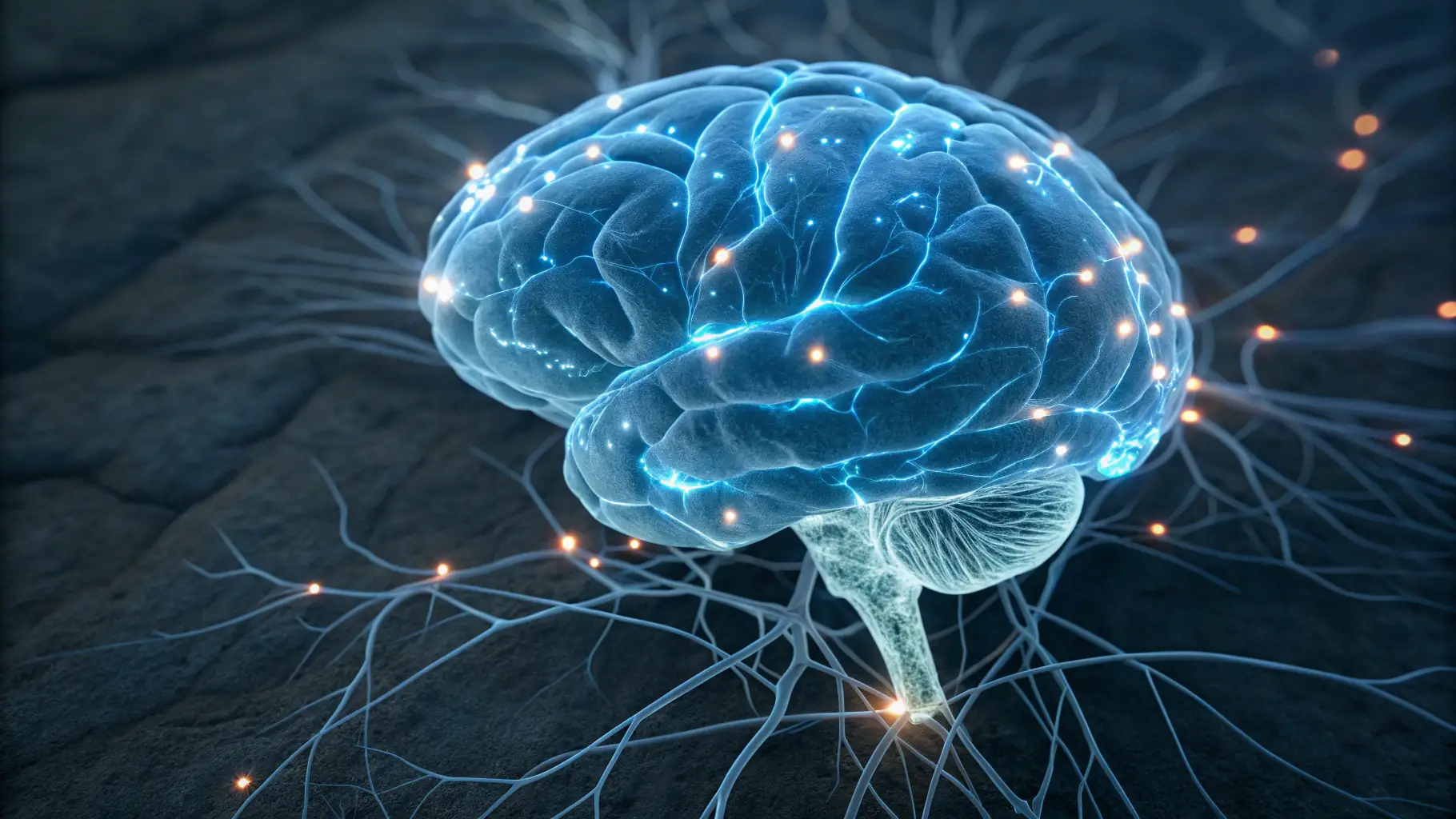
To understand ketamine’s effects, it helps to look at brain signaling. Neurons communicate through chemical messengers known as neurotransmitters. Ketamine primarily affects the glutamate system, which plays a central role in learning, memory, and mood.
By blocking NMDA receptors, ketamine alters how brain circuits process information. This action leads to its anesthetic and dissociative effects. Researchers also observe downstream changes in synaptic plasticity, which explains why scientists study ketamine in mood disorders. These effects occur quickly, often within hours, which sets ketamine apart from many traditional medications.
Approved medical uses
Clinicians rely on ketamine for several established indications:
Anesthesia and sedation
Doctors use ketamine to induce and maintain anesthesia, especially in short procedures. It supports stable blood pressure and preserves breathing reflexes, which benefits trauma and pediatric care.
Pain management
At lower doses, ketamine can reduce severe pain. Hospitals may use it when other analgesics fail or when opioid reduction matters.
Emergency and disaster medicine
Paramedics and emergency physicians value ketamine for rapid sedation in agitated or critically injured patients. Its safety profile in monitored settings supports this role.
These uses reflect decades of clinical experience and guideline development.
Emerging psychiatric research
In recent years, researchers have studied ketamine for treatment-resistant depression and related conditions. Clinical trials show rapid symptom reduction in some patients when administered under strict medical supervision. This research does not replace standard therapies. Instead, it offers an option for carefully selected individuals.
Clinicians follow protocols that include screening, dosing control, and post-treatment monitoring. Professional societies emphasize informed consent and ongoing evaluation.
Safety profile and common side effects
Like all medications, ketamine carries risks. Doctors manage these risks by tailoring doses and monitoring patients. Common short-term effects include:
- Changes in perception or dissociation
- Increased heart rate or blood pressure
- Nausea or dizziness
- Temporary confusion during recovery
Most effects resolve as the drug wears off. Trained staff remain present to ensure patient comfort and safety.
Risks of misuse and long-term concerns
Non-medical use of ketamine can cause serious harm. Repeated misuse may lead to bladder problems, cognitive changes, and dependence. These risks explain why laws restrict access and why health professionals stress medical supervision.
Education plays a vital role here. Clear information helps people understand the difference between clinical care and unsafe use.
Legal and regulatory considerations
Authorities regulate ketamine at national and international levels. In the United States and many other countries, it remains legal only with a valid prescription and appropriate medical oversight. Clinics must follow storage, record-keeping, and dispensing rules.
Patients should never attempt to obtain or use ketamine outside licensed healthcare settings. Regulations exist to protect public health and ensure quality care.
Ethical use in healthcare
Ethical practice guides every ketamine application. Clinicians balance benefits against risks, respect patient autonomy, and rely on current evidence. Professional training and institutional protocols support these standards.
Ongoing research continues to refine best practices. As evidence grows, guidelines evolve to reflect new findings while maintaining safety.
Frequently asked questions
Is ketamine the same as other anesthetics?
Ketamine differs in how it affects consciousness and breathing. Doctors choose it for specific clinical reasons.
Does ketamine cure depression?
No single medication offers a cure. Some patients experience rapid symptom relief under medical care, but clinicians integrate treatment into a broader plan.
Can anyone receive ketamine therapy?
No. Doctors screen patients carefully and consider medical history, diagnosis, and potential risks.
The future of ketamine research
Scientists continue to study ketamine’s mechanisms and applications. Research explores optimized dosing, alternative compounds, and long-term outcomes. This work aims to maximize benefit while minimizing harm.
As knowledge expands, education remains essential. Clear explanations help patients, families, and professionals make informed decisions.
Key takeaways
- Ketamine has a long, well-documented medical history.
- Clinicians use it for anesthesia, pain control, and emergency care.
- Research explores its psychiatric potential under strict supervision.
- Safety, legality, and ethics guide every legitimate use.
Understanding what ketamine is empowers readers to separate evidence-based care from misinformation.
Call to action
- Contact: +1 531 400 1813
- Product campaign: Explore information about Ketacynpharma products at Ketacynpharma.com
Always consult qualified healthcare professionals and follow local laws and medical guidance when discussing prescription medications.