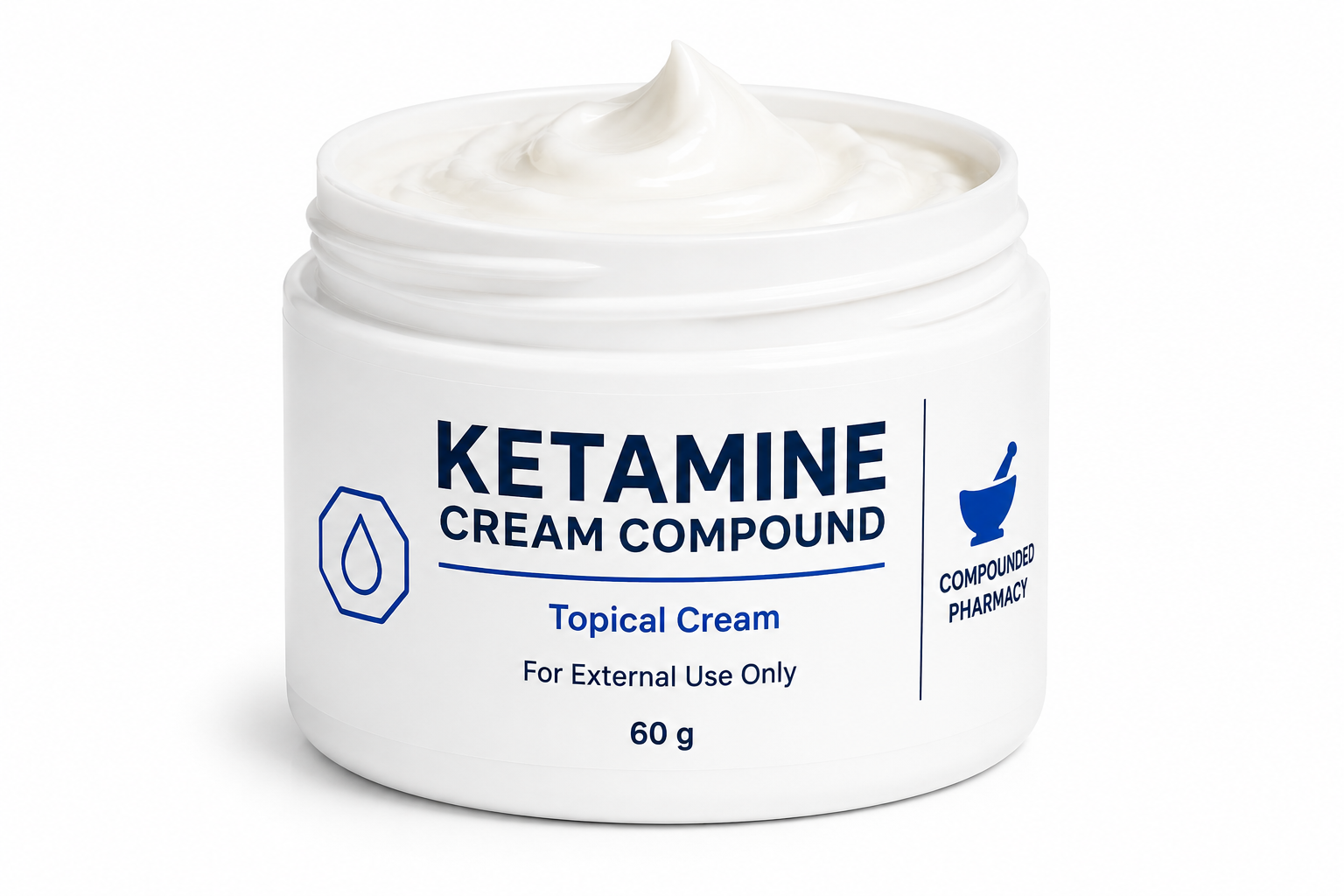
Ketamine Cream Compound
Ketamine cream compound is a customized topical medication that healthcare providers may prescribe to help manage certain chronic pain conditions. Unlike intravenous ketamine or oral medications, this cream is applied directly to the skin over the painful area. Because it is compounded, a licensed pharmacy prepares it according to an individual prescription rather than producing it as a standard commercial product.
In recent years, interest in compounded ketamine creams has increased as researchers continue to study new approaches to pain management. Although this treatment is not suitable for everyone, some patients may benefit from it as part of a personalized care plan. Understanding how ketamine cream compound works, its possible benefits, and its limitations can help patients have informed conversations with their healthcare providers.
What Is Ketamine Cream Compound?
A ketamine cream compound is a prescription medication prepared by a licensed compounding pharmacy. Compounding allows pharmacists to create customized medications that meet a patient’s specific needs when commercially available products may not be appropriate.
Depending on the prescription, the cream may contain ketamine alone or be combined with other medications commonly used in pain management. The exact ingredients and strength vary based on the patient’s condition and the prescribing clinician’s recommendations.
Unlike oral medications that affect the entire body, topical creams are designed for application to a specific area of discomfort.
How Does Ketamine Cream Compound Work?
Ketamine interacts with NMDA (N-methyl-D-aspartate) receptors, which play an important role in how the nervous system processes pain signals. Researchers believe that blocking these receptors may reduce abnormal pain signaling associated with some chronic pain conditions.
When applied to the skin, compounded ketamine cream aims to deliver medication to the affected area. However, researchers continue to study how much of the medication is absorbed and which patients benefit most from topical treatment.
Healthcare providers typically consider ketamine cream as one part of a comprehensive pain management plan rather than a standalone treatment.
Potential Uses
A healthcare provider may consider ketamine cream compound for selected patients experiencing persistent pain, including:
- Neuropathic pain
- Complex regional pain syndrome (CRPS)
- Peripheral nerve pain
- Certain localized musculoskeletal pain conditions
Treatment decisions depend on a patient’s medical history, symptoms, and response to previous therapies. Because every individual is different, only a qualified healthcare professional can determine whether compounded ketamine is an appropriate option.
Potential Benefits
Ketamine cream compound offers several features that may make it an option for certain patients.
Localized Treatment
The cream is applied directly to the painful area, making it a targeted approach to symptom management.
Customized Formulation
Compounding pharmacies can prepare individualized formulations according to a healthcare provider’s prescription.
Non-Invasive
Unlike injections, topical creams are applied to the skin, making them convenient for many patients.
Part of a Broader Care Plan
Many pain specialists combine medications with physical therapy, exercise, lifestyle changes, and other treatments to improve overall outcomes.
Safety and Possible Side Effects
Although topical ketamine may reduce systemic exposure compared with other forms of ketamine, side effects can still occur.
Some patients may experience:
- Mild skin irritation
- Redness
- Itching
- Burning sensation where the cream is applied
Patients should use the medication exactly as prescribed and report any unexpected symptoms to their healthcare provider.
Never apply the cream more frequently or in larger amounts than directed.
Is Ketamine Cream Compound Right for Everyone?
No. Healthcare providers carefully evaluate each patient’s medical history before prescribing compounded ketamine.
Certain medical conditions, current medications, allergies, pregnancy, or other health factors may influence whether this treatment is appropriate.
Patients should never use someone else’s prescription or obtain compounded medications from unlicensed sources.
Questions to Ask Your Healthcare Provider
Before beginning treatment, consider discussing the following questions:
- Why do you recommend ketamine cream compound for my condition?
- What benefits can I realistically expect?
- How should I apply the medication?
- What side effects should I monitor?
- How long should I continue treatment?
- Are there alternative therapies that may also help?
These conversations allow patients to better understand their treatment plan and participate in informed decision-making.
Frequently Asked Questions
Is ketamine cream compound FDA-approved?
Compounded ketamine creams are prepared by licensed compounding pharmacies for individual patients. They are not FDA-approved as finished drug products in the same way commercially manufactured medications are.
Can ketamine cream compound cure chronic pain?
No. It is not considered a cure. Healthcare providers may prescribe it to help manage symptoms as part of a broader pain management strategy.
How should I store the cream?
Follow the storage instructions provided by your compounding pharmacy and keep the medication away from children and pets.
Conclusion
Ketamine cream compound is a customized prescription medication that may play a role in managing certain chronic pain conditions for carefully selected patients. While research continues to explore its effectiveness, healthcare providers may consider it when individualized treatment is appropriate.
If you think compounded ketamine may be suitable for your situation, speak with a qualified healthcare professional. They can evaluate your symptoms, discuss available treatment options, and determine whether this therapy fits your overall care plan.