Ketamine has become increasingly recognized for its medical uses, from anesthesia to treating depression and chronic pain. At the same time, concerns about recreational misuse and overdose have raised an important question: Does naloxone reverse ketamine? Understanding the relationship between these two medications is essential for healthcare professionals, caregivers, and anyone interested in drug safety.
In this article, we’ll explain how ketamine and naloxone work, whether naloxone is effective in reversing ketamine, and what to do in a suspected ketamine overdose.
What Is Naloxone?
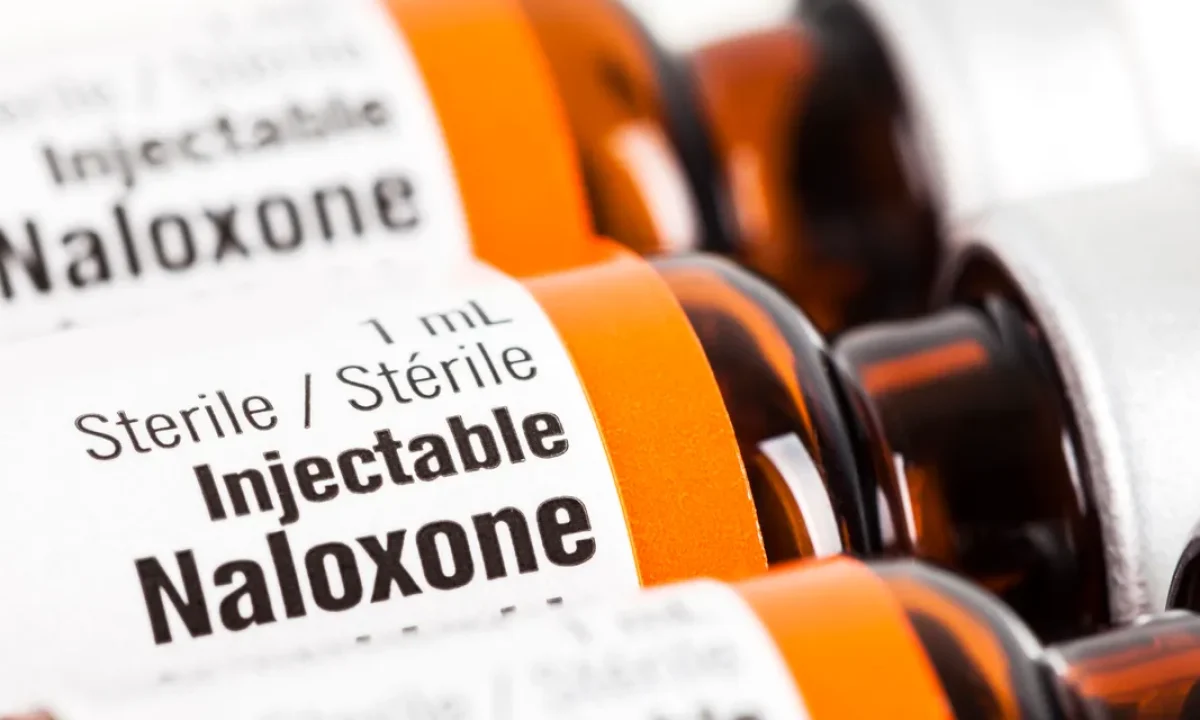
Naloxone is a life-saving medication that rapidly reverses the effects of opioid overdoses. It works by blocking opioid receptors in the brain, quickly restoring normal breathing in individuals experiencing respiratory depression caused by opioids such as:
- Heroin
- Fentanyl
- Morphine
- Oxycodone
- Hydrocodone
Naloxone is available as a nasal spray or injectable medication and has become a critical tool in combating the opioid overdose epidemic.
What Is Ketamine?
Ketamine is a dissociative anesthetic that has been safely used in medical settings for decades. Today, it is commonly prescribed for:
- General anesthesia
- Emergency medicine
- Pain management
- Treatment-resistant depression
- Certain mental health conditions
Unlike opioids, ketamine primarily works by blocking NMDA (N-methyl-D-aspartate) receptors in the brain. This unique mechanism produces pain relief, sedation, and dissociative effects without acting on opioid receptors.
Does Naloxone Reverse Ketamine?
The short answer is no. Naloxone does not reverse ketamine because ketamine is not an opioid.
Since naloxone specifically targets opioid receptors, it has little to no effect on reversing the dissociative, sedative, or hallucinogenic effects caused by ketamine alone.
While some early studies explored possible interactions between naloxone and ketamine, current medical evidence shows that naloxone is not considered an effective treatment for ketamine intoxication or overdose.
Why Doesn’t Naloxone Work on Ketamine?
The answer lies in how the two drugs affect the brain.
Ketamine’s Mechanism
Ketamine works primarily by blocking NMDA receptors, altering pain perception, consciousness, and sensory processing.
Naloxone’s Mechanism
Naloxone works by attaching to opioid receptors and displacing opioid drugs from those receptors, reversing dangerous opioid effects.
Because these medications act on entirely different receptor systems, naloxone cannot counteract ketamine’s primary effects.
What Happens During a Ketamine Overdose?
Although fatal ketamine overdoses are less common than opioid overdoses, excessive ketamine use can still be dangerous.
Symptoms of ketamine overdose may include:
- Severe confusion
- Extreme drowsiness
- Hallucinations
- Agitation
- High blood pressure
- Rapid heart rate
- Loss of coordination
- Difficulty breathing in severe cases
- Unconsciousness
When ketamine is combined with alcohol, opioids, benzodiazepines, or other sedatives, the risk of respiratory depression and life-threatening complications increases significantly.
Should You Give Naloxone If Ketamine Is Involved?
Yes—if you suspect opioids may also be involved.
Many illicit drugs are contaminated with fentanyl or mixed with opioids without the user’s knowledge. In these situations:
- Administer naloxone immediately if opioid overdose is suspected.
- Call emergency medical services right away.
- Monitor breathing and responsiveness.
- Begin rescue breathing or CPR if trained and necessary.
Even if ketamine is present, naloxone can save a life if opioids are contributing to the overdose. Since naloxone is generally safe and has minimal effects in people who have not taken opioids, emergency responders often recommend using it when opioid exposure cannot be ruled out.
How Is Ketamine Overdose Treated?
There is no specific antidote for ketamine overdose.
Medical treatment focuses on supportive care, including:
- Monitoring vital signs
- Maintaining the airway
- Providing oxygen if needed
- Treating agitation or seizures
- Managing blood pressure and heart rate
- Continuous observation until the drug’s effects wear off
Most patients recover with prompt medical attention and supportive treatment.
Can Ketamine Cause Respiratory Depression?
One reason ketamine is widely used in emergency medicine is that it generally preserves breathing better than many anesthetic or opioid medications.
However, respiratory depression can still occur in cases involving:
- Very high doses
- Combination with opioids
- Alcohol use
- Benzodiazepines
- Other central nervous system depressants
This is why any suspected overdose should always be treated as a medical emergency.
Key Takeaways
So, does naloxone reverse ketamine? The evidence is clear: No, naloxone does not reverse ketamine because ketamine does not act on opioid receptors. Naloxone is specifically designed to reverse opioid overdoses, not dissociative anesthetics like ketamine.
However, because illicit substances may contain hidden opioids such as fentanyl, administering naloxone is still appropriate when an opioid overdose is possible. It is unlikely to cause harm if opioids are not involved and may be lifesaving if they are.
If someone shows signs of a ketamine overdose or has taken ketamine along with other substances, seek emergency medical care immediately. Early intervention, supportive treatment, and rapid assessment provide the best chance for a full recovery.
By understanding the differences between naloxone and ketamine, recognizing the signs of overdose, and knowing when to use naloxone, individuals can make informed decisions that may help save lives in emergency situations.