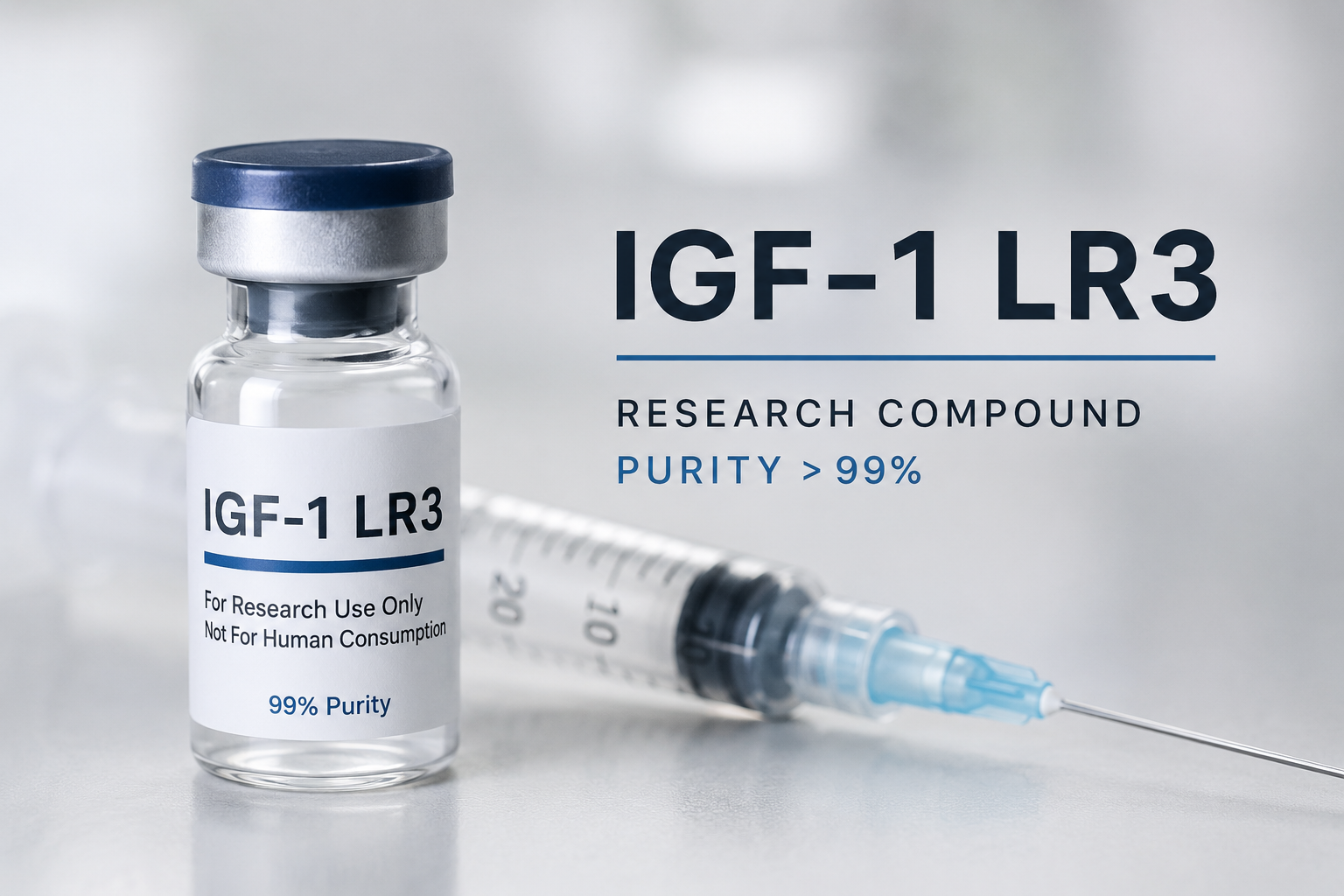
IGF-1 LR3 dosage is one of the most searched topics among individuals researching peptide therapy, performance recovery, and growth factor optimization. Many people hear about IGF-1 LR3 through fitness communities or anti-aging discussions but struggle to understand how dosing works, why timing matters, and what factors influence results.
This educational guide explains IGF-1 LR3 dosage principles, cycle structure, expected effects, safety considerations, and best practices for responsible peptide research.
Understanding IGF-1 LR3
IGF-1 LR3 stands for Insulin-Like Growth Factor-1 Long R3. It is a modified version of naturally occurring IGF-1, a hormone produced mainly in the liver after growth hormone stimulation.
Researchers developed the LR3 version to improve stability and extend activity inside the body. Compared with natural IGF-1, this modified peptide remains active longer and binds efficiently to muscle tissue receptors.
IGF-1 plays a central role in:
- Cellular growth and repair
- Muscle protein synthesis
- Nutrient utilization
- Recovery after physical stress
- Tissue regeneration processes
Because of these functions, peptide researchers often study IGF-1 LR3 in relation to recovery optimization and body composition support.
How IGF-1 LR3 Works in the Body
IGF-1 LR3 interacts directly with IGF receptors located in muscle cells and other tissues. Instead of simply increasing hormone levels, it enhances how cells use nutrients and repair themselves.
The peptide supports:
- Increased amino acid uptake
- Enhanced muscle cell signaling
- Improved recovery efficiency
- Support for lean tissue development
Unlike growth hormone secretagogues, IGF-1 LR3 works downstream in the hormonal pathway. This difference explains why dosing structure and timing require careful planning.
General IGF-1 LR3 Dosage Principles
Educational discussions about peptide research focus on structured and conservative approaches. Dosage planning depends on research goals, experience level, and individual biological response.
Typical educational research ranges often discussed include:
- Lower range protocols for beginners
- Moderate research ranges for experienced users
- Advanced structured cycles used only with supervision
Researchers usually begin conservatively and adjust gradually based on observation rather than aggressive starting amounts.
Consistency plays a larger role than high dosing. Stable administration supports predictable receptor interaction and improved research outcomes.
Timing Considerations for IGF-1 LR3
Timing represents one of the most important elements of effective peptide use.
Because IGF-1 LR3 remains active longer than many peptides, administration does not require frequent daily injections. Many research protocols favor once-daily timing.
Common timing strategies include:
Post-Training Administration
Many researchers study administration after physical training sessions. Muscles show increased nutrient sensitivity during recovery periods, which may enhance peptide interaction.
Morning Timing
Some prefer morning administration to align with metabolic activity throughout the day.
Consistent Daily Schedule
Maintaining the same timing each day helps create stable physiological signaling patterns.
Regular scheduling often produces better outcomes than inconsistent timing.
Cycle Length and Structure
Peptide cycling helps maintain receptor responsiveness and supports long-term research consistency.
Typical educational cycle structures include:
- Four to six week introductory cycles
- Eight week structured cycles
- Followed by planned off periods
Breaks allow the body to reset receptor sensitivity and prevent adaptation.
Cycle planning should always prioritize gradual progression rather than rapid escalation.
Expected Effects During a Cycle
Individual response varies widely, yet educational observations commonly describe several categories of outcomes.
Muscle Recovery Support
IGF-1 LR3 plays an important role in tissue repair. Many researchers observe faster recovery between training sessions.
Lean Tissue Development
The peptide may support lean muscle development when combined with structured training and adequate nutrition.
Nutrient Partitioning
Improved nutrient utilization represents another frequently discussed effect. The body may direct nutrients more efficiently toward muscle repair rather than fat storage.
Performance Sustainability
Instead of sudden transformation, gradual improvement in recovery capacity often becomes noticeable over time.
Lifestyle habits strongly influence results. Nutrition, sleep quality, and training balance remain essential factors.
Lifestyle Factors That Influence Dosage Outcomes
Peptides support biological processes, but lifestyle choices determine overall effectiveness.
Nutrition Strategy
Adequate protein intake supplies amino acids required for tissue repair. Balanced carbohydrate and fat intake supports hormonal stability.
Training Programming
Structured resistance training provides the stimulus required for growth factor activity. Overtraining may reduce recovery benefits.
Sleep Optimization
Deep sleep promotes natural hormone balance and enhances recovery signaling pathways.
Stress Management
High stress levels elevate cortisol, which may interfere with growth factor signaling. Recovery practices and mental wellness strategies improve consistency.
Safety and Responsible Research Considerations
Safety awareness remains essential when researching peptides.
IGF-1 LR3 is commonly classified as a research compound in many regions. Regulatory status varies, so professional guidance remains important before exploring peptide protocols.
Key safety considerations include:
- Consult qualified healthcare professionals
- Monitor metabolic health markers
- Avoid combining unknown substances
- Maintain sterile preparation practices
Some individuals may experience temporary adjustments related to appetite or energy levels. Responsible monitoring helps ensure informed decision-making.
Who Commonly Researches IGF-1 LR3
Interest in IGF-1 LR3 extends across several wellness and research communities.
Typical groups include:
- Fitness enthusiasts focused on recovery optimization
- Individuals researching performance longevity
- Adults exploring healthy aging strategies
- Athletes managing intense training demands
Most individuals explore peptide protocols as part of broader wellness strategies rather than short-term solutions.
Common Questions About IGF-1 LR3
How quickly do results appear?
Recovery improvements may become noticeable within several weeks. Body composition changes generally develop gradually.
Are higher doses better?
Consistency and structured planning usually matter more than aggressive dosing strategies.
Are cycle breaks necessary?
Planned breaks help maintain receptor sensitivity and long-term effectiveness.
Does diet influence results?
Nutrition plays a major role. Peptides enhance biological signaling but cannot replace proper dietary habits.
Long-Term Perspective on Growth Factor Optimization
Modern peptide research increasingly focuses on sustainable performance and preventive wellness. Instead of dramatic short-term goals, many researchers emphasize gradual optimization.
Successful long-term approaches include:
- Evidence-based planning
- Realistic expectations
- Consistent routines
- Continuous education
IGF-1 LR3 research often fits into broader recovery, performance, and longevity strategies.
Choosing High-Quality IGF-1 LR3 Products
Product quality significantly influences research consistency. Reputable peptide suppliers emphasize laboratory testing, purity verification, and professional handling standards.
Reliable sourcing helps ensure:
- Accurate peptide concentration
- Stable formulation quality
- Proper storage conditions
- Transparent customer support
Selecting trusted suppliers remains one of the most important steps when researching peptides.
Final Thoughts
Understanding IGF-1 LR3 dosage requires more than learning numbers or schedules. Effective peptide research depends on education, structured planning, lifestyle alignment, and responsible sourcing.
Growth factors support cellular repair and recovery processes when used within informed and disciplined frameworks. Individuals who combine education with consistency often achieve the most sustainable outcomes.
Get Started With Ketacynpharma
Explore premium peptide research solutions through the official Ketacynpharma campaign:
IGF‑1 LR3 Product Page at Ketacynpharma
Discover the complete range of Ketacynpharma products at:
Ketacynpharma Official Website
For product guidance, research information, or ordering assistance, contact Dr Brainia directly.
Call or WhatsApp: +1 (531) 400 1813
Message or call on WhatsApp to speak with Dr Brainia about Ketacynpharma products, peptide research support, and ongoing product campaigns.