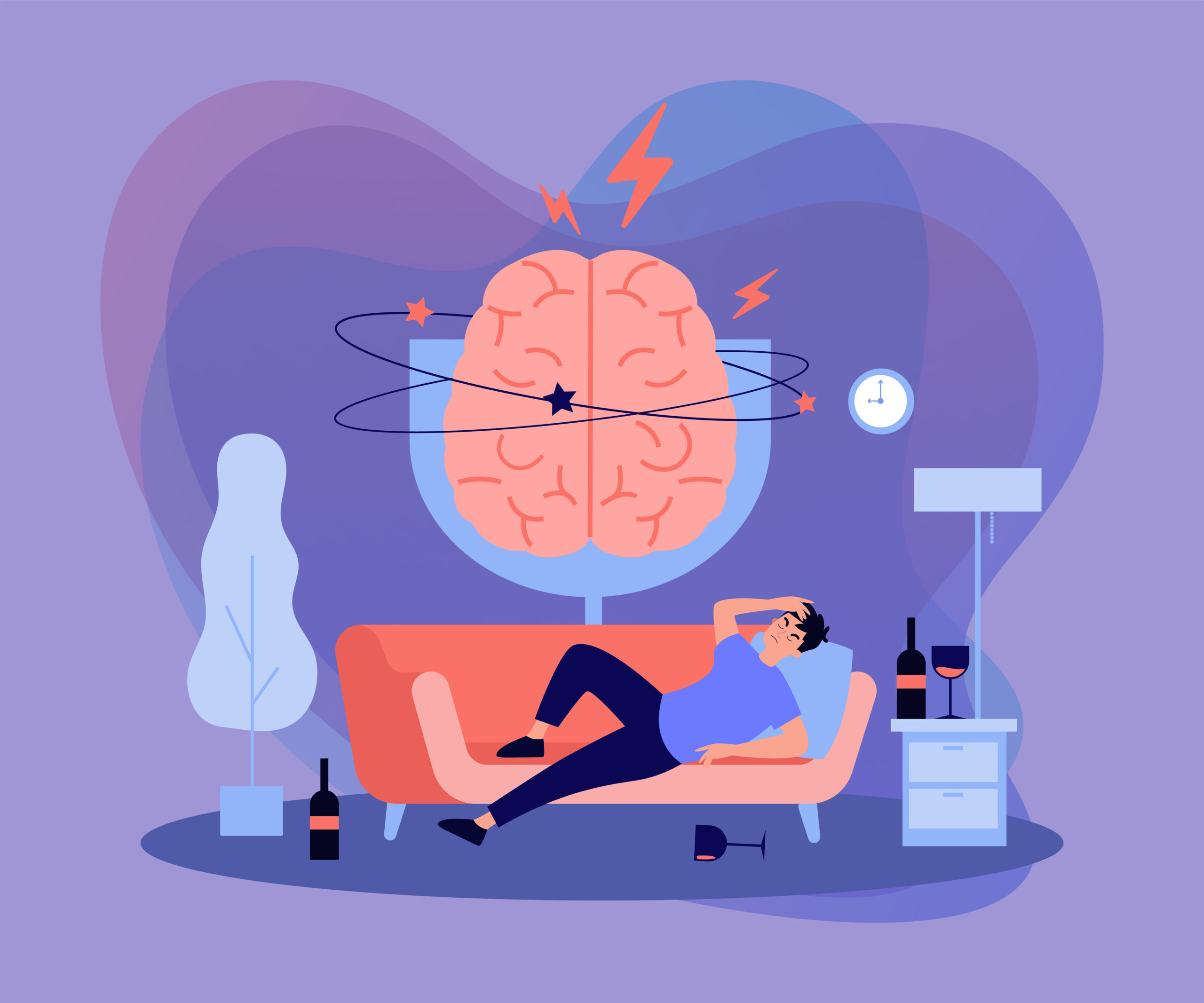
Coming off antidepressants is a deeply personal process, and the idea of whether the “brain goes back to normal” doesn’t have a simple yes-or-no answer. What science does show is more nuanced—and actually more hopeful than many people expect.
Antidepressants work by influencing brain chemistry, particularly neurotransmitters like serotonin, norepinephrine, and dopamine. Over time, especially during treatment for conditions such as depression or anxiety disorders, the brain adapts to this new chemical environment. This is part of what helps symptoms improve. But it also raises an important question people often search for: what happens when you stop?
Brain Recovery After Antidepressants
In most cases, the brain does not become “damaged” or permanently altered by antidepressant use. Instead, it goes through a period of adjustment when medication is reduced or stopped. This phase is sometimes called antidepressant discontinuation or withdrawal adjustment, and it can include temporary symptoms such as mood shifts, sleep changes, brain fog, or emotional sensitivity.
For many people, these effects are short-term and reversible. The brain is highly adaptive due to something called neuroplasticity, meaning it can re-balance itself over time. Research suggests that neurotransmitter systems gradually recalibrate after stopping medication, especially when tapering is done slowly and under medical supervision.
“Back to Normal” — What Does It Really Mean?
The phrase “back to normal” is a bit misleading in mental health. If someone started antidepressants due to depression or anxiety, then “normal” before treatment may not actually reflect a healthy baseline.
Instead, a better way to think about recovery is:
- Has mood stability returned?
- Are anxiety symptoms manageable?
- Is sleep and energy regulation balanced?
- Is emotional resilience restored?
For many people, the goal isn’t returning to a previous state—but achieving a more stable and healthier mental baseline than before treatment.
Factors That Influence Brain Readjustment
Several factors determine how smoothly the brain adjusts after antidepressants:
- Duration of use (long-term use may require slower tapering)
- Type of antidepressant (SSRIs, SNRIs, etc.)
- Individual brain chemistry and genetics
- Underlying mental health condition
- Lifestyle factors like sleep, stress, and nutrition
A gradual taper, guided by a healthcare provider, is widely considered the safest way to reduce the likelihood of withdrawal symptoms and support smoother neurological adaptation.
Supporting Brain Balance Naturally
During and after discontinuation, many people focus on lifestyle strategies that support mental clarity, emotional stability, and brain health, such as:
- Regular physical activity (supports dopamine and serotonin regulation)
- Consistent sleep patterns (crucial for neurotransmitter balance)
- Omega-3 fatty acids and nutrient-rich diets
- Mindfulness practices or therapy for emotional regulation
- Stress management techniques
These habits don’t “replace” medication but can help the brain maintain balance during its natural recalibration process.
The Bottom Line
Yes—for most people, the brain does recover and adapt after antidepressants, but the timeline and experience vary. Rather than snapping back to an old “normal,” the brain typically adjusts toward a new equilibrium, especially when recovery is supported properly.
The most important takeaway is that antidepressants are not believed to permanently “change” or damage the brain in healthy individuals. Instead, they assist during a period of imbalance—and once removed carefully, the brain’s natural flexibility allows it to stabilize again over time.