Understanding Emotional Changes After Ketamine Therapy
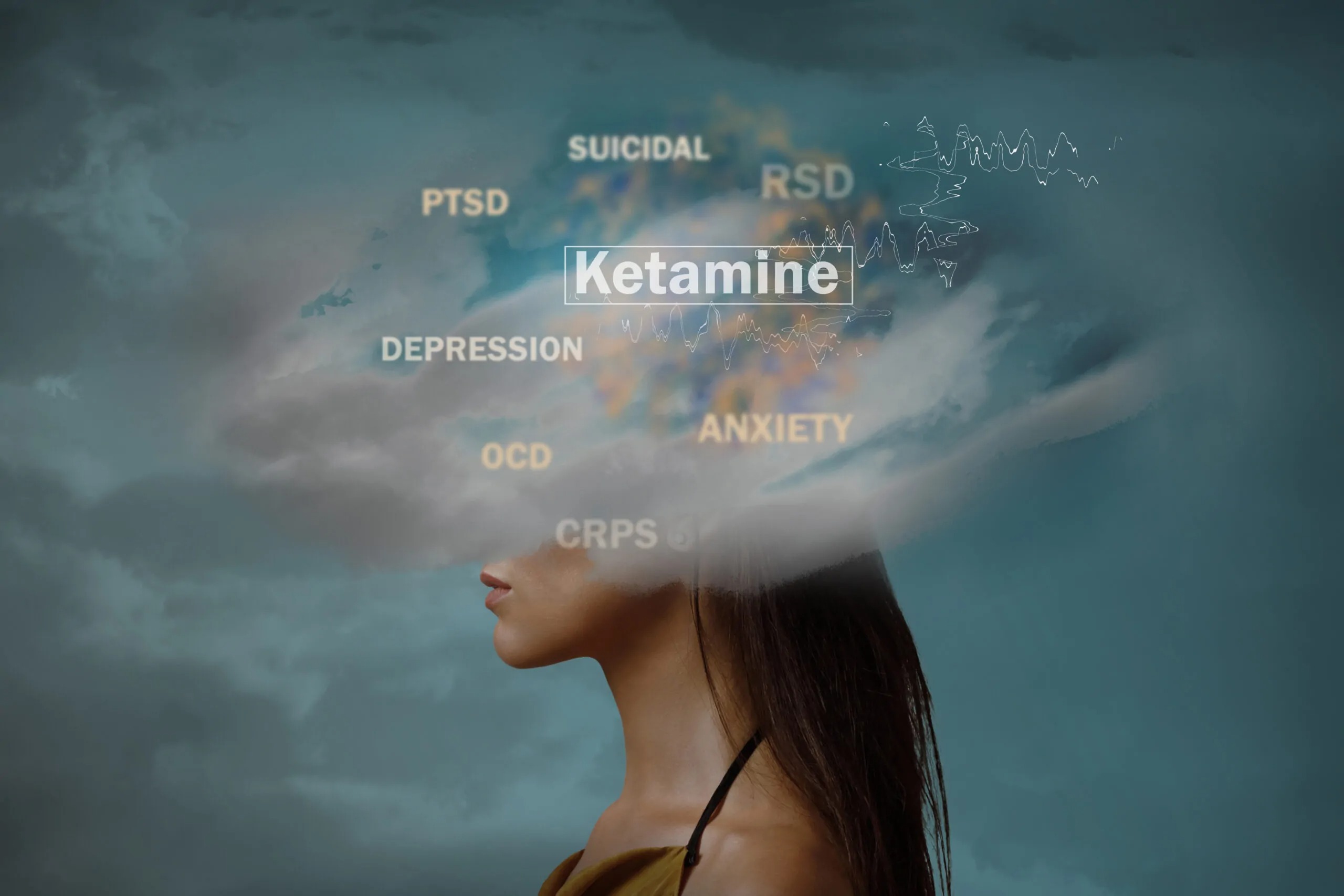
Experiencing sadness after ketamine treatment can feel confusing, especially when ketamine therapy is often promoted as a breakthrough option for depression, anxiety, PTSD, and mood disorders. While many people experience relief and emotional clarity, others may notice temporary emotional lows, fatigue, or unexpected sadness after a ketamine infusion session. The good news is that these feelings are usually part of the emotional healing process and may improve with proper support and self-care.
Ketamine treatment works differently from traditional antidepressants. Instead of gradually changing serotonin levels, ketamine rapidly affects glutamate pathways in the brain, helping create new neural connections. Because of these powerful brain changes, some patients experience an emotional release after ketamine therapy. Old memories, buried emotions, stress, or trauma may temporarily rise to the surface, leading to feelings of sadness, emotional sensitivity, or vulnerability.
Understanding why you feel sad after ketamine treatment can help reduce anxiety and allow you to focus on healing rather than fear.
Why You May Feel Sad After Ketamine Infusion Therapy
Several factors can contribute to emotional discomfort after ketamine treatment. One common reason is emotional processing. Ketamine can lower mental barriers, allowing unresolved emotions to emerge. While this can ultimately support recovery, it may feel emotionally intense in the short term.
Another reason is physical and mental fatigue. Ketamine sessions can be deeply immersive experiences that leave the mind and body feeling drained afterward. Some patients report brain fog, low energy, or mood fluctuations for several hours or days after treatment.
You may also feel disappointed if your symptoms do not improve immediately. Although some people notice rapid relief, others require multiple ketamine sessions before seeing lasting benefits. Feeling discouraged after the first treatment is more common than many realize.
Keywords naturally associated with this experience include:
- feeling emotional after ketamine therapy
- ketamine treatment side effects
- sadness after ketamine infusion
- emotional release after ketamine
- ketamine therapy recovery
- mood swings after ketamine treatment
- mental health support after ketamine
How to Cope With Sadness After Ketamine Therapy
If you are feeling low after ketamine treatment, there are healthy and effective ways to support your recovery. Start by giving yourself permission to rest. Your brain is processing significant neurological and emotional changes, and recovery takes time.
Journaling after ketamine sessions can help organize emotions and identify patterns in your thoughts. Many patients also benefit from therapy integration sessions, where a mental health professional helps process the emotions and insights that surfaced during treatment.
Hydration, healthy meals, sleep, and gentle movement can also improve emotional stability after ketamine infusion therapy. Avoid alcohol or recreational substances, as they may interfere with the brain’s healing process.
Connecting with supportive friends, family, or online mental health communities may reduce feelings of isolation. Remember, emotional ups and downs do not necessarily mean ketamine treatment is failing.
When to Speak With Your Ketamine Provider
While temporary sadness can be normal, severe depression, hopelessness, or worsening emotional distress should always be discussed with your healthcare provider. A qualified ketamine clinic can adjust dosage, treatment frequency, or integration support to improve your experience.
You should seek professional guidance if you experience:
- intense depressive symptoms
- suicidal thoughts
- prolonged emotional numbness
- panic attacks
- severe anxiety after treatment
- inability to function in daily life
Open communication with your provider is essential for safe and effective ketamine therapy outcomes.
Healing Takes Time
Feeling sad after ketamine treatment does not mean you are failing or that the therapy will not work for you. Emotional healing is rarely linear. Many people experience temporary emotional discomfort before noticing meaningful improvements in mood, motivation, and mental clarity.
Ketamine therapy is designed to help the brain create healthier patterns over time. With patience, professional support, and consistent self-care, many individuals discover that these emotional waves become part of a larger healing journey toward improved mental wellness and emotional balance.