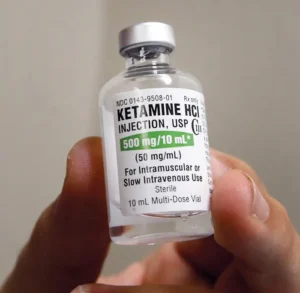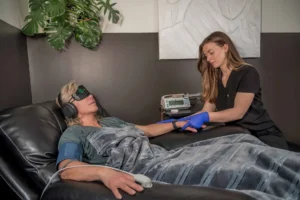
How to prepare for an at-home ketamine therapy session is one of the most common questions people ask before beginning treatment. Proper preparation can help create a comfortable environment, reduce unnecessary stress, and support a positive therapeutic experience. While every individual’s journey is unique, taking time to organize your space, understand the process, and set realistic expectations can make a significant difference.
At-home ketamine therapy has gained attention as a convenient option for people who receive treatment under professional guidance. Since the experience often involves deep reflection and temporary changes in perception, preparation plays an important role in helping participants feel safe and supported.
This guide explains practical steps you can take before your session, what to expect during treatment, and how to care for yourself afterward.
Understanding the Purpose of Ketamine Therapy
Before starting any session, it helps to understand why ketamine therapy is used. Healthcare professionals may recommend ketamine-based treatments for certain mental health conditions, including treatment-resistant depression, anxiety, and other concerns when appropriate.
Unlike traditional medications that may take weeks to produce noticeable effects, ketamine works through different pathways in the brain. Researchers continue to study its potential benefits and mechanisms. Understanding the purpose of treatment can help reduce uncertainty and encourage a more focused mindset before your appointment.
Create a Comfortable Environment
Your surroundings can influence your overall experience. Since treatment occurs at home, you have the advantage of preparing a familiar and relaxing space.
Consider the following tips:
- Choose a quiet room where interruptions are unlikely.
- Adjust the lighting to a comfortable level.
- Keep the temperature pleasant.
- Remove clutter that may cause distractions.
- Silence unnecessary notifications on phones and devices.
- Have a comfortable chair, bed, or couch available.
Many people also enjoy listening to calming instrumental music during their session. Gentle sounds may help create a peaceful atmosphere that supports relaxation.
Arrange for a Trusted Support Person
Depending on your provider’s recommendations, you may benefit from having a trusted adult nearby. This person can provide reassurance, help with practical needs, and ensure you remain comfortable throughout the session.
A support person does not need to actively participate. Their presence alone can help create a sense of safety and confidence.
Choose someone who is:
- Calm and reliable
- Respectful of your privacy
- Available during the entire session
- Familiar with any instructions provided by your healthcare professional
Follow Provider Instructions Carefully
Every treatment plan differs. Your healthcare provider may give specific instructions related to medication schedules, eating, drinking, and activity restrictions.
Pay close attention to all guidance you receive. If anything seems unclear, ask questions before your appointment date. Understanding expectations in advance can help reduce anxiety and prevent avoidable complications.
Never adjust your dosage or treatment schedule without professional direction.
Prepare Mentally Before Treatment
Mental preparation is just as important as physical preparation. Many individuals find it helpful to spend time reflecting on personal goals before their session.
You might consider:
- Writing in a journal
- Practicing mindfulness
- Setting positive intentions
- Reflecting on challenges you wish to explore
- Thinking about personal growth objectives
Intentions do not need to be complicated. Simple goals such as improving emotional well-being, gaining clarity, or increasing self-awareness can provide helpful direction.
Limit Stress on the Day of Your Session
A rushed schedule can create unnecessary tension. Try to keep your calendar as clear as possible on treatment day.
Helpful suggestions include:
- Complete important tasks beforehand.
- Avoid demanding work commitments.
- Give yourself extra time to prepare.
- Wear comfortable clothing.
- Stay hydrated according to provider recommendations.
When you approach treatment calmly, you may find it easier to focus on the therapeutic experience.
What to Expect During the Session
Experiences vary from person to person. Some individuals report feelings of relaxation, while others notice changes in perception, thought patterns, or emotional awareness.
Common experiences may include:
- Deep relaxation
- Altered sense of time
- Enhanced introspection
- Emotional reflection
- Temporary changes in sensory perception
These effects usually occur within the timeframe outlined by your healthcare provider. Understanding that these experiences can happen often helps participants feel more comfortable.
Remain in your designated treatment area throughout the session unless instructed otherwise.
Avoid Driving or Operating Machinery
Safety should remain a priority. After treatment, individuals may continue to experience temporary effects that influence judgment, coordination, or reaction times.
For this reason, avoid:
- Driving
- Operating machinery
- Making major financial decisions
- Signing important documents
- Engaging in potentially hazardous activities
Plan transportation and responsibilities ahead of time if necessary.
Focus on Integration After Treatment
The hours and days following treatment can be valuable for reflection. Many people describe gaining new perspectives or insights during their experience.
Integration refers to the process of understanding and applying those insights to everyday life.
Ways to support integration include:
Journaling
Writing down thoughts soon after treatment may help preserve important observations and emotions.
Meditation
Mindfulness practices can encourage continued self-reflection and emotional awareness.
Therapy Sessions
Many participants work with therapists who help them process their experiences and develop practical strategies for growth.
Healthy Lifestyle Habits
Regular exercise, balanced nutrition, quality sleep, and stress management techniques can support overall well-being.
Common Mistakes to Avoid
Preparation often becomes easier when you understand what not to do.
Some common mistakes include:
Ignoring Provider Guidance
Always follow professional instructions. Personalized recommendations exist for a reason.
Creating Distractions
Television, work tasks, and frequent interruptions can interfere with the therapeutic process.
Setting Unrealistic Expectations
Every person’s response differs. Some people notice changes quickly, while others experience gradual progress over time.
Skipping Post-Session Reflection
Taking time to process your experience can be an important part of the overall therapeutic journey.
Questions to Ask Before Treatment
If you are preparing for an upcoming appointment, consider discussing these questions with your provider:
- What should I eat or drink beforehand?
- How long will the session last?
- Should someone stay with me?
- What side effects should I expect?
- When can I resume normal activities?
- How should I prepare my environment?
- What follow-up care do you recommend?
Open communication can improve confidence and help you feel better prepared.
Final Thoughts
Preparing thoughtfully can help create a more comfortable and productive experience. By organizing your environment, following professional guidance, setting realistic expectations, and prioritizing post-session reflection, you can approach treatment with greater confidence.
A well-planned session begins long before treatment starts. The effort you invest in preparation can contribute to a smoother experience and provide a stronger foundation for personal growth and self-discovery.
Contact KetacynPharma Today
Looking for quality wellness products and reliable customer support? Learn how to prepare for an at-home ketamine therapy session
KetacynPharma offers a growing selection of products designed to support your needs. Browse our inventory, discover new arrivals, and shop with confidence.
🛒 Shop Our Products & Inventory here
📞 Call Us: +1 (531) 400-1813
💬 WhatsApp Message or Call: +1 (531) 400-1813
🌐 Visit KetacynPharma for trusted products and professional service.
Contact us today to learn more about available products and discover how to prepare for an at-home ketamine therapy session