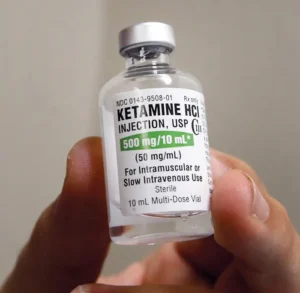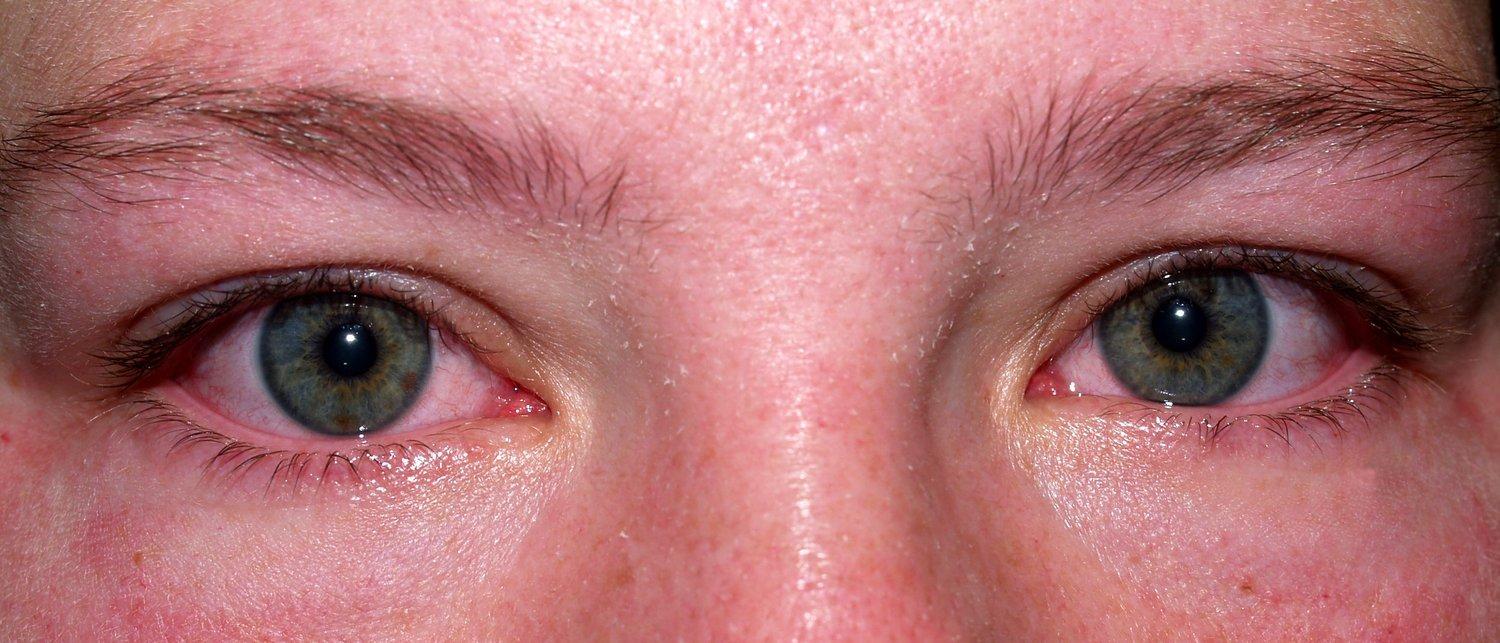
What Are “Ketamine Eyes”?
Many people searching online ask, does ketamine dilate eyes? The short answer is yes, ketamine can cause pupil dilation (mydriasis) in some individuals. However, the effect varies depending on the dose, the person’s physiology, the setting in which ketamine is used, and whether other substances are involved.
The term “ketamine eyes” is commonly used to describe the appearance of the eyes after ketamine use. This may include dilated pupils, a distant or unfocused gaze, reduced blinking, and changes in eye movement. While these signs can occur, they are not unique to ketamine and should never be used alone to determine whether someone has taken the drug.
Understanding how ketamine affects the eyes can help people recognize potential side effects and appreciate the importance of using the medication only under appropriate medical supervision.
Does Ketamine Dilate Eyes?
Yes, ketamine may dilate the pupils by influencing the central nervous system and stimulating the sympathetic nervous system. This response can cause the pupils to become larger than normal, making the eyes appear more open or sensitive to light.
Not everyone experiences noticeable pupil dilation. Factors that can influence the effect include:
- Ketamine dosage
- Route of administration
- Individual response to the medication
- Lighting conditions
- Use of alcohol or other drugs at the same time
Because pupil size naturally changes throughout the day, dilated pupils alone are not a reliable indicator of ketamine use.
Common Signs of Ketamine Eyes
People often associate ketamine eyes with several visual changes beyond pupil dilation. These may include:
- Dilated pupils
- Glassy or watery eyes
- Slow or unusual eye movements
- Difficulty focusing on objects
- Blank or detached facial expression
- Increased sensitivity to bright light
Some individuals may also experience blurred vision or double vision while the drug is active. These effects are generally temporary but can interfere with activities that require clear vision, such as driving or operating machinery.
Why Does Ketamine Affect Vision?
Ketamine works primarily by blocking NMDA (N-methyl-D-aspartate) receptors in the brain. This action alters the way the brain processes sensory information, producing anesthetic and dissociative effects.
As a result, people may notice:
- Altered depth perception
- Difficulty tracking moving objects
- Temporary visual distortions
- Impaired coordination between eye movements and balance
These visual changes usually resolve as the medication wears off, although recovery time depends on the dose and individual metabolism.
Medical Use vs. Recreational Use
Ketamine is a prescription medication used in healthcare settings for anesthesia and, in some cases, treatment-resistant depression under professional supervision. Recreational use carries significant risks, including accidents, impaired judgment, dependence, and bladder or urinary tract complications with repeated misuse.
People searching for ketamine for sale should remember that ketamine is a regulated prescription medication in many countries and should only be obtained and used legally under the guidance of a qualified healthcare professional.
When to Seek Medical Attention
Most temporary eye changes improve as ketamine leaves the body. However, immediate medical evaluation is recommended if someone experiences:
- Severe or persistent vision loss
- Eye pain
- Confusion that does not improve
- Difficulty breathing
- Loss of consciousness
- Seizures or other serious symptoms
These signs may indicate a medical emergency or another underlying condition requiring prompt treatment.
Final Thoughts
So, does ketamine dilate eyes? In many cases, yes. Dilated pupils are one of the more recognizable features of “ketamine eyes,” but they are only one possible effect. Glassy eyes, blurred vision, altered eye movements, and temporary difficulty focusing may also occur. Because these symptoms can have many different causes, they should never be used to diagnose ketamine use on their own.
Understanding the relationship between ketamine and eye changes helps promote informed decision-making and safer awareness. Whether ketamine is being used for legitimate medical purposes or discussed from an educational perspective, recognizing its potential effects on vision underscores the importance of appropriate medical supervision and responsible use.