Does Ketamine Show Up on a 12 Panel Drug Test? Full Medical & Testing Guide
Does ketamine show up on a 12 panel drug test? This question often comes up in workplace screening, clinical assessments, and recovery programs. A standard 12-panel drug test screens for multiple commonly abused substances, but ketamine does not always fall into the default detection list. Understanding how drug panels work helps you interpret results correctly and avoid confusion during medical or employment testing.
This guide explains how a 12-panel drug test works, whether ketamine appears on it, detection timelines, testing limitations, and what factors influence results. The goal is to give clear, accurate, and practical information for educational use.
What Is a 12 Panel Drug Test?
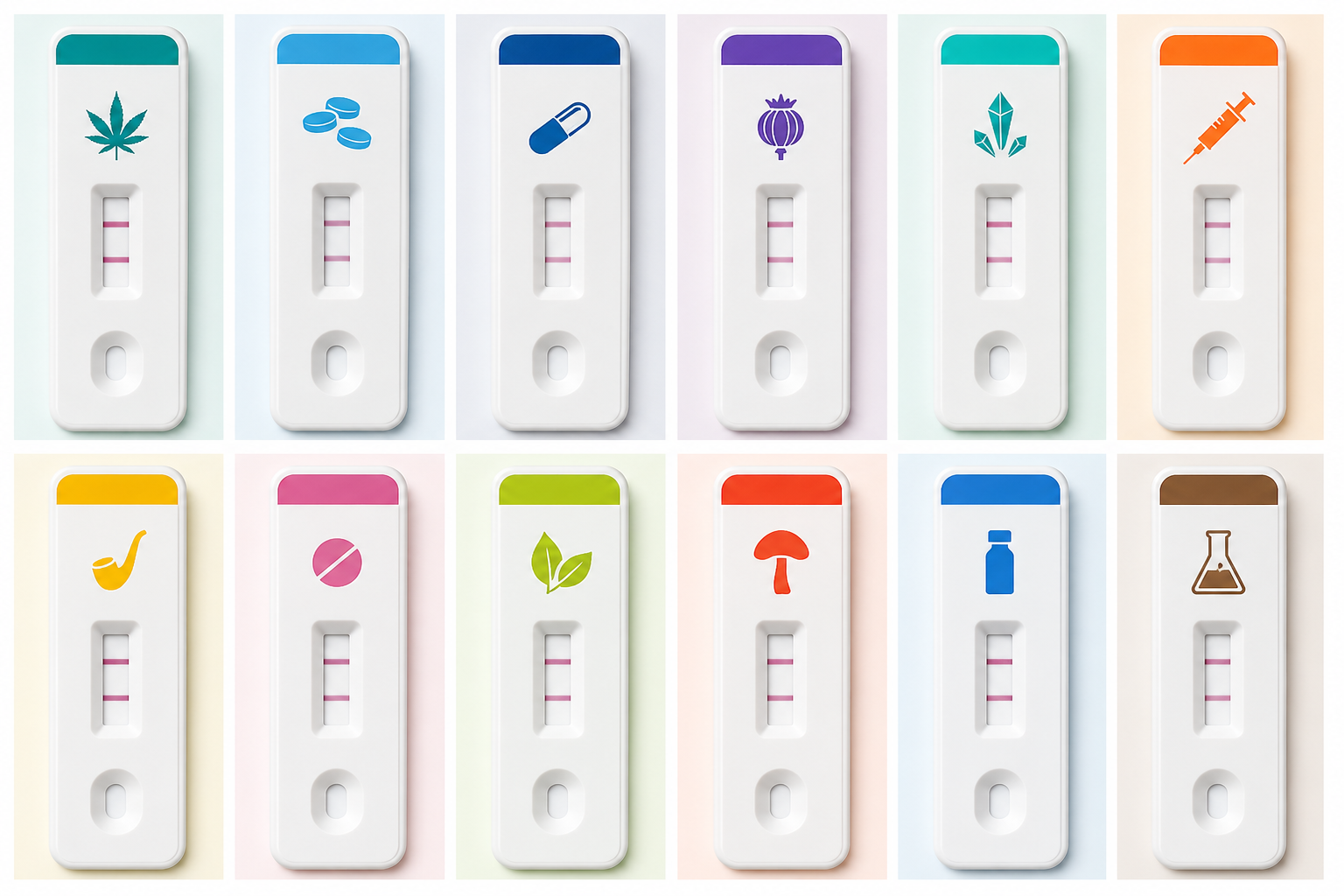
A 12-panel drug test is a broad toxicology screening tool used in workplaces, healthcare settings, and rehabilitation programs. It detects twelve categories of substances, typically including:
- THC (cannabis)
- Cocaine
- Opiates (codeine, morphine, heroin metabolites)
- Amphetamines
- Methamphetamines
- Benzodiazepines
- Barbiturates
- Methadone
- Oxycodone / opioids (varies by panel)
- PCP (phencyclidine)
- MDMA (ecstasy, in expanded panels)
- Tricyclic antidepressants (TCA) or other expanded drug classes
Each test panel may differ slightly depending on the lab, employer, or healthcare provider. This variation plays a key role in whether a specific substance like ketamine gets detected.
Does Ketamine Show Up on a 12 Panel Drug Test?
Does ketamine show up on a 12 panel drug test? In most standard cases, the answer is no. A typical 12-panel drug test does not include ketamine in its routine screening panel.
Ketamine belongs to the dissociative anesthetic class, and standard workplace drug panels usually focus on opioids, stimulants, benzodiazepines, and cannabinoids. Because of this, ketamine often goes undetected unless the test is specifically designed to look for it.
However, there are exceptions. Some advanced or specialized toxicology panels can detect ketamine or its metabolites if requested.
Why Ketamine Is Not Always Included in Drug Panels
Drug screening programs design panels based on prevalence, abuse potential, and regulatory guidelines. Ketamine often falls outside routine testing for several reasons:
1. Medical Use Classification
Doctors use ketamine legally as an anesthetic and, more recently, for treatment-resistant depression. This medical application reduces its inclusion in standard drug screening.
2. Limited Routine Abuse Screening
Workplace testing programs focus on substances with higher documented workplace impairment risks, such as alcohol, opioids, and amphetamines.
3. Specialized Testing Requirement
Detecting ketamine requires targeted laboratory methods like gas chromatography-mass spectrometry (GC-MS), which many basic panels do not include.
Can Ketamine Ever Be Detected in Drug Testing?
Even though standard 12-panel tests usually do not detect ketamine, certain situations allow detection:
Expanded Toxicology Panels
Some 14-panel, 16-panel, or customized drug tests include ketamine screening.
Confirmatory Laboratory Testing
If a screening result raises suspicion, labs may perform confirmatory testing that can identify ketamine metabolites.
Clinical or Legal Investigations
Medical evaluations, forensic testing, or substance use monitoring programs may include ketamine detection depending on the case.
How Long Does Ketamine Stay in the System?
Ketamine detection depends on metabolism, dosage, frequency of use, and the type of test used. Below is a general breakdown:
Urine Testing
- Detectable window: 1 to 3 days after use
- Most common method for extended toxicology screening
Blood Testing
- Detectable window: up to 24 hours
- Used in clinical or emergency settings
Saliva Testing
- Detectable window: up to 24–48 hours
- Less commonly used for ketamine
Hair Testing
- Detectable window: up to 90 days
- Rare but highly sensitive for long-term substance history
These timelines vary depending on individual metabolism and health conditions.
Factors That Influence Ketamine Detection
Several biological and external factors affect how long ketamine remains detectable:
Metabolisme
Faster metabolism reduces detection time, while slower metabolism extends it.
Dosering en frequentie
Higher or repeated doses increase the likelihood of longer detection periods.
Liver Function
The liver processes ketamine, so impaired liver function may extend detection.
Hydration and Health Status
Hydration level and general health can influence urine concentration but do not eliminate detection.
Limitations of a 12 Panel Drug Test
A 12-panel drug test offers broad screening, but it has clear limitations:
- It does not detect all substances
- It may miss synthetic or newer drugs
- It cannot determine impairment level
- It may vary between laboratories
Because of these limitations, results should always be interpreted within clinical or occupational context.
Ketamine in Medical and Therapeutic Settings
Ketamine has gained attention in modern medicine for its use in controlled therapeutic environments. Clinics use it for:
- Behandelingsresistente depressie
- Angstaandoeningen
- Post-traumatic stress disorder (PTSD) support
- Supervised pain management
These treatments use regulated dosing under medical supervision, which differs significantly from recreational misuse scenarios.
Misconceptions About Ketamine and Drug Testing
Many people assume all drug tests automatically include ketamine. This is not accurate. Most standard workplace panels do not screen for it unless specifically ordered.
Another misconception involves detection time. Some assume ketamine stays in the system for weeks, but in reality, it clears relatively quickly compared to long-acting substances.
Understanding these facts helps reduce confusion and misinformation around drug testing results.
What to Do If You Are Concerned About Drug Testing
If you expect a drug screening, consider the following:
- Ask the provider which substances the test includes
- Request a copy of the panel list if possible
- Consult a medical professional if you take prescribed ketamine
- Understand that specialized tests may detect substances not included in basic panels
Clear communication prevents misunderstandings and ensures accurate interpretation of results.
Summary
So, does ketamine show up on a 12 panel drug test? In most cases, it does not. Standard 12-panel screenings focus on commonly abused drugs and typically exclude ketamine unless the test includes an expanded or specialized panel. Detection becomes possible only under specific laboratory conditions or targeted testing.
Understanding how drug panels work helps individuals, clinicians, and employers make informed decisions based on accurate information rather than assumptions.
Contact & Support for Ketamine Guidance
For educational support, guidance, or consultation regarding ketamine-assisted approaches and mental health care, professional assistance is available.
You can reach out for support and consultation through the channels below:
Phone: +1 531 400 1813
WhatsApp (Call or Message): +1 (531) 400 1813
Connect directly on WhatsApp to speak with a ketamine therapist or specialist who can help guide you through your mental health journey and provide structured information about available care pathways.
Ketacyn Pharma Product Information & Resources
Explore product-related information and updates through:
Website: https://Ketacynpharma.com
Ketacyn Pharma provides educational resources and product insights related to ketamine-based medical applications and wellness solutions. Always consult a qualified healthcare professional before making any treatment decisions.