Does Ketamine Show Up on a 14-Panel Drug Test?
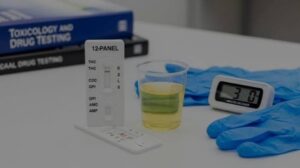
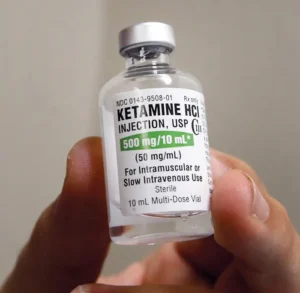
If you’re wondering, “Does ketamine show up on a 14-panel drug test?” the answer is usually no. Most standard 14-panel drug tests are designed to detect commonly misused substances such as opioids, amphetamines, cocaine, marijuana (THC), benzodiazepines, barbiturates, and PCP. Ketamine is not typically included in routine 14-panel drug screening unless it has been specifically requested by the employer, healthcare provider, legal authority, or testing organization.
However, specialized drug tests are available that can detect ketamine and its metabolites. Whether ketamine is tested for depends on the purpose of the screening and the type of test being performed.
What Is a 14-Panel Drug Test?
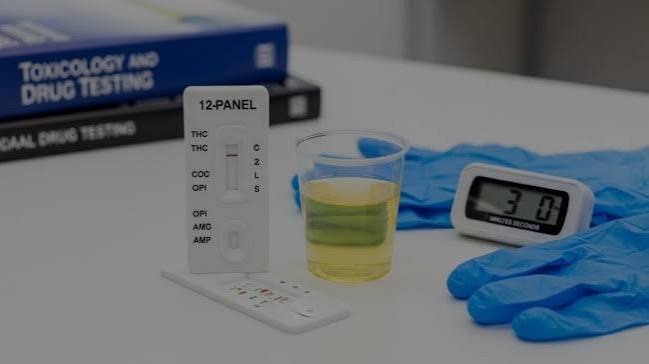
A 14-panel drug test is a comprehensive screening used in workplace testing, pre-employment exams, legal proceedings, rehabilitation programs, and some healthcare settings. While the exact substances included may vary by laboratory, a standard 14-panel test commonly screens for:
- Marijuana (THC)
- Cocaine
- Amphetamines
- Methamphetamine
- Opiates
- Oxycodon
- Methadone
- PCP
- Benzodiazepines
- Barbiturates
- MDMA (Ecstasy)
- Propoxyphene (on some panels)
- Tricyclic antidepressants (on some panels)
- Additional prescription or illicit drugs depending on the testing provider
Because panel configurations differ between laboratories, it’s important to understand that there is no universal 14-panel drug test. Some testing providers may customize their panels to include additional substances, including ketamine.
Can Ketamine Be Detected?
Yes. Ketamine can be detected, but it generally requires a specific ketamine drug test rather than a routine panel. Specialized laboratory testing can identify ketamine and its primary metabolite, norketamine, in urine, blood, saliva, or hair samples.
Healthcare providers, pain management clinics, treatment programs, or forensic laboratories may order ketamine-specific testing when clinically or legally appropriate.
How Long Does Ketamine Stay Detectable?
Detection times vary depending on factors such as dosage, frequency of use, metabolism, hydration, age, and the type of drug test used. Approximate detection windows may include:
- Urine: Often detectable for up to several days after use.
- Blood: Typically detectable for a shorter period, often around 24 hours.
- Saliva: Usually detectable for a relatively short time after use.
- Hair: May be detectable for significantly longer periods, sometimes for months, depending on hair length and testing methods.
These timeframes are estimates and can vary considerably between individuals.
What If You’re Receiving Prescribed Ketamine Treatment?
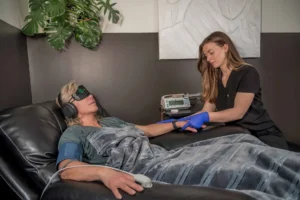
If you’re receiving ketaminetherapie under the supervision of a licensed healthcare provider, it’s important to inform the appropriate medical review officer or testing authority if you’re required to undergo drug testing. A legally prescribed medication does not necessarily prevent a positive result on a ketamine-specific test, but proper documentation can help ensure the findings are interpreted in the correct medical context.
Never stop or alter a prescribed treatment without consulting your healthcare provider.
Factors That Influence Drug Test Results
Several factors can affect whether ketamine is detected, including:
- The type of drug test performed
- Whether ketamine is included in the testing panel
- The amount and frequency of ketamine use
- Individual metabolism
- Time elapsed since the last dose
- Laboratory testing methods and cutoff values
Because testing protocols vary, results may differ between laboratories.
Laatste gedachten
So, does ketamine show up on a 14-panel drug test? In most cases, no—standard 14-panel drug screens do niet routinely test for ketamine. However, ketamine can be detected if a specific ketamine test or an expanded drug panel is ordered.
If you have questions about drug testing while undergoing prescribed ketamine treatment, speak with your healthcare provider or the organization administering the test. They can explain which substances are included in the screening and what documentation may be needed.
Does Ketamine Show Up on a 14-Panel Drug Test? What You Need to Know
Does Ketamine Show Up on a 14-Panel Drug Test?
If you’re wondering, “Does ketamine show up on a 14-panel drug test?” the answer is usually no. Most standard 14-panel drug tests are designed to detect commonly misused substances such as opioids, amphetamines, cocaine, marijuana (THC), benzodiazepines, barbiturates, and PCP. Ketamine is not typically included in routine 14-panel drug screening unless it has been specifically requested by the employer, healthcare provider, legal authority, or testing organization.
However, specialized drug tests are available that can detect ketamine and its metabolites. Whether ketamine is tested for depends on the purpose of the screening and the type of test being performed.
What Is a 14-Panel Drug Test?
A 14-panel drug test is a comprehensive screening used in workplace testing, pre-employment exams, legal proceedings, rehabilitation programs, and some healthcare settings. While the exact substances included may vary by laboratory, a standard 14-panel test commonly screens for:
- Marijuana (THC)
- Cocaine
- Amphetamines
- Methamphetamine
- Opiates
- Oxycodon
- Methadone
- PCP
- Benzodiazepines
- Barbiturates
- MDMA (Ecstasy)
- Propoxyphene (on some panels)
- Tricyclic antidepressants (on some panels)
- Additional prescription or illicit drugs depending on the testing provider
Because panel configurations differ between laboratories, it’s important to understand that there is no universal 14-panel drug test. Some testing providers may customize their panels to include additional substances, including ketamine.
Can Ketamine Be Detected?
Yes. Ketamine can be detected, but it generally requires a specific ketamine drug test rather than a routine panel. Specialized laboratory testing can identify ketamine and its primary metabolite, norketamine, in urine, blood, saliva, or hair samples.
Healthcare providers, pain management clinics, treatment programs, or forensic laboratories may order ketamine-specific testing when clinically or legally appropriate.
How Long Does Ketamine Stay Detectable?
Detection times vary depending on factors such as dosage, frequency of use, metabolism, hydration, age, and the type of drug test used. Approximate detection windows may include:
- Urine: Often detectable for up to several days after use.
- Blood: Typically detectable for a shorter period, often around 24 hours.
- Saliva: Usually detectable for a relatively short time after use.
- Hair: May be detectable for significantly longer periods, sometimes for months, depending on hair length and testing methods.
These timeframes are estimates and can vary considerably between individuals.
What If You’re Receiving Prescribed Ketamine Treatment?
If you’re receiving ketaminetherapie under the supervision of a licensed healthcare provider, it’s important to inform the appropriate medical review officer or testing authority if you’re required to undergo drug testing. A legally prescribed medication does not necessarily prevent a positive result on a ketamine-specific test, but proper documentation can help ensure the findings are interpreted in the correct medical context.
Never stop or alter a prescribed treatment without consulting your healthcare provider.
Factors That Influence Drug Test Results
Several factors can affect whether ketamine is detected, including:
- The type of drug test performed
- Whether ketamine is included in the testing panel
- The amount and frequency of ketamine use
- Individual metabolism
- Time elapsed since the last dose
- Laboratory testing methods and cutoff values
Because testing protocols vary, results may differ between laboratories.
Laatste gedachten
So, does ketamine show up on a 14-panel drug test? In most cases, no—standard 14-panel drug screens do niet routinely test for ketamine. However, ketamine can be detected if a specific ketamine test or an expanded drug panel is ordered.
If you have questions about drug testing while undergoing prescribed ketamine treatment, speak with your healthcare provider or the organization administering the test. They can explain which substances are included in the screening and what documentation may be needed.