How does ketamine work for depression and anxiety is a question that many people ask as interest in innovative mental health treatments continues to increase. Depression and anxiety can affect daily routines, relationships, productivity, and emotional well-being. Although traditional treatments such as antidepressant medications and psychotherapy help many individuals, some people continue to experience symptoms after trying different approaches. For this reason, ketamine therapy has gained attention as a potential option for people with treatment-resistant depression and certain anxiety conditions.
Originally, healthcare professionals developed ketamine as an anesthetic medication. However, researchers later discovered that ketamine affects brain pathways connected to mood regulation and emotional processing. Unlike many traditional antidepressants, which mainly target serotonin and norepinephrine, ketamine influences glutamate activity in the brain. As a result, some patients may experience changes in mood more quickly than with conventional treatments.
In this guide, you will learn how ketamine works for depression and anxiety, how it affects the brain, who may benefit from treatment, what happens during therapy, and why ketamine has become an important topic in modern mental healthcare.
Wat is Ketamine?
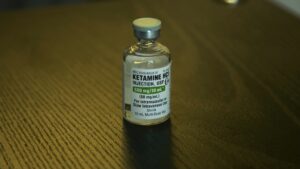
Ketamine is a medication that doctors have used safely in medical settings for decades. Initially, hospitals used ketamine mainly as an anesthetic during medical procedures. Over time, researchers explored lower doses and discovered that ketamine could produce rapid improvements in symptoms for some people with treatment-resistant depression.
Unlike standard antidepressants, ketamine works through a different pathway. It affects the brain’s glutamate system, which plays an important role in communication between nerve cells, learning, memory, and emotional regulation.
Because of this unique process, ketamine has become an area of interest for researchers and healthcare providers who treat patients with difficult-to-manage mental health conditions.
How Does Ketamine Work for Depression and Anxiety?
Begrip how does ketamine work for depression and anxiety starts with understanding how it changes communication inside the brain. Depression and chronic stress can affect the connections between brain cells, making it harder for the brain to regulate emotions and respond to stress.
Ketamine interageert met NMDA-receptoren, which are part of the brain’s glutamate system. By influencing these receptors, ketamine may increase activity in other glutamate pathways and encourage stronger communication between neurons.
Additionally, ketamine may support neuroplasticity. Neuroplasticity describes the brain’s ability to create and strengthen connections. This process helps the brain adapt, learn, and develop healthier patterns.
For some patients, these changes may lead to improvements in mood, motivation, and emotional balance. However, every person responds differently, and healthcare providers evaluate each patient individually before recommending treatment.
How Can Ketamine Help With Depression?
Depression can affect brain circuits responsible for mood, motivation, and emotional control. Traditional treatments often require several weeks before patients notice significant changes. In contrast, ketamine may provide faster symptom relief for some individuals.
Research suggests ketamine may help by:
- Increasing communication between brain cells
- Supporting the growth of new neural connections
- Reducing negative thought patterns
- Improving emotional regulation
Furthermore, some studies show that ketamine may quickly reduce suicidal thoughts in certain patients. Because these symptoms require careful medical attention, healthcare professionals must always monitor treatment closely.
How Can Ketamine Help With Anxiety?
Anxiety disorders often involve excessive worry, fear responses, and increased activity in stress-related brain pathways. Ketamine may help some patients manage anxiety symptoms by improving emotional regulation and changing how the brain processes stress.
For example, some individuals report feeling calmer, less overwhelmed, and more able to participate in therapy after treatment.
However, ketamine does not work for everyone with anxiety. Doctors usually consider ketamine after evaluating other treatments and reviewing the patient’s overall health history.
Conditions That May Benefit From Ketamine Therapy
Healthcare providers may consider ketamine therapy for several mental health conditions, including:
- Behandelingsresistente depressie
- Depressieve stoornis
- Depression associated with suicidal thoughts
- Posttraumatische stressstoornis (PTSD)
- Certain anxiety disorders
- Chronic pain conditions linked with depression
Treatment plans vary because every patient has different medical needs, symptoms, and treatment goals.
Wat gebeurt er tijdens een ketamine therapiesessie?
Before starting treatment, a healthcare professional reviews the patient’s medical history, current medications, and mental health symptoms. This evaluation helps determine whether ketamine therapy may provide potential benefits.
During a typical session:
- A medical provider evaluates the patient before treatment.
- The provider administers ketamine using an approved method.
- The healthcare team monitors the patient during the session.
- The patient rests during recovery before returning home.
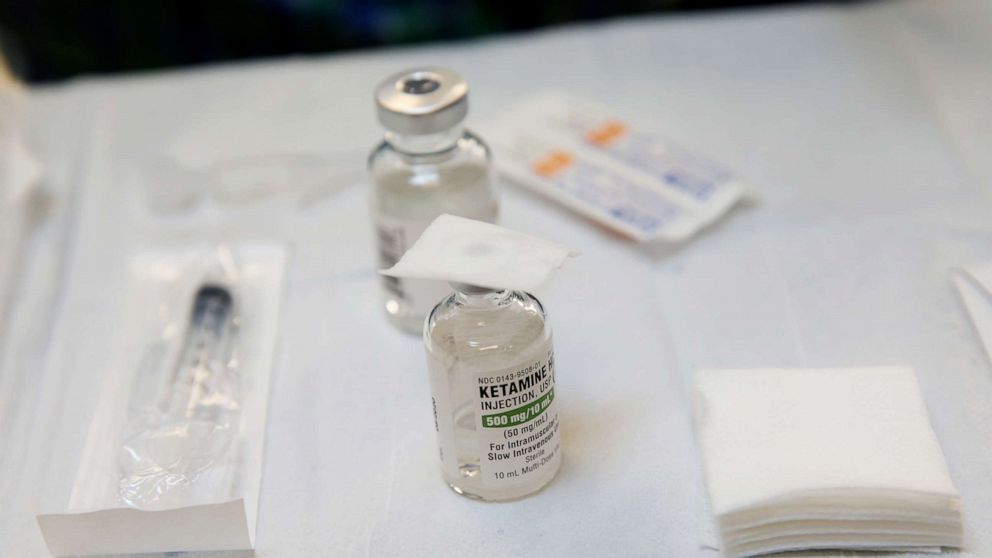
Ketamine treatment options may include intravenous (IV) infusion, intramuscular injection, oral formulations, or prescription esketamine nasal spray in approved medical settings.
How Quickly Does Ketamine Work?
One reason ketamine has received significant attention involves its potential speed of action. While many antidepressants may take weeks to produce noticeable effects, some patients experience improvements within hours or days after ketamine treatment.
However, results differ between individuals. Some patients need several sessions before noticing meaningful changes, while others may require maintenance treatments to continue experiencing benefits.
Possible Side Effects of Ketamine
Ketamine can cause temporary side effects, especially during or shortly after treatment. Medical professionals monitor patients carefully to maintain safety and comfort.
Common side effects may include:
- Duizeligheid
- Misselijkheid
- Sleepiness
- Temporary changes in perception
- Increased blood pressure
- Mild headache
Fortunately, many side effects improve within a short period after treatment.
Is Ketamine Safe?
Healthcare professionals consider ketamine safe when qualified providers use it in controlled medical environments. Nevertheless, ketamine may not suit every individual.
Before treatment, doctors review medical history, current medications, and possible risk factors. This careful evaluation helps providers create a safer and more effective treatment approach.
Additionally, patients should combine ketamine therapy with proper mental healthcare, which may include psychotherapy, healthy lifestyle habits, and ongoing professional support.
Veelgestelde vragen
Can ketamine cure depression and anxiety?
No. Ketamine does not cure depression or anxiety. However, it may reduce symptoms and improve quality of life for some people when healthcare providers use it appropriately.
How many ketamine treatments does someone need?
The number of treatments depends on the individual’s condition and response. A healthcare provider creates a personalized treatment schedule based on each patient’s needs.
Is ketamine better than traditional antidepressants?
Ketamine works differently from traditional antidepressants. Therefore, healthcare providers compare treatment options based on the patient’s medical history and previous treatment response.
Does insurance cover ketamine therapy?
Insurance coverage varies depending on the treatment type, provider, location, and insurance company. Patients should contact their insurance provider to understand available coverage options.
Laatste gedachten
Begrip how does ketamine work for depression and anxiety helps people explore modern mental health treatment options with better knowledge. Ketamine affects brain communication, supports neuroplasticity, and may provide faster symptom relief for some individuals who have not responded to traditional treatments.
Nevertheless, ketamine therapy requires professional guidance and careful medical evaluation. Patients should speak with qualified healthcare providers to determine whether ketamine represents a suitable option for their mental health needs.
Pharmaceutical-Grade Ketamine Products From KetacynPharma
KetacynPharma provides pharmaceutical-grade ketamine products for licensed healthcare professionals and authorized medical applications. The company focuses on quality, reliability, and professional support for customers seeking ketamine solutions.
Available options include:
- Pharmaceutical-grade ketamine liquid formulations
- Ketamine powder for authorized professional applications
- Different product strengths and formulations
For more information about KetacynPharma producten, contact the team to discuss available options and product details. Always use ketamine only under the direction of a licensed medical professional.