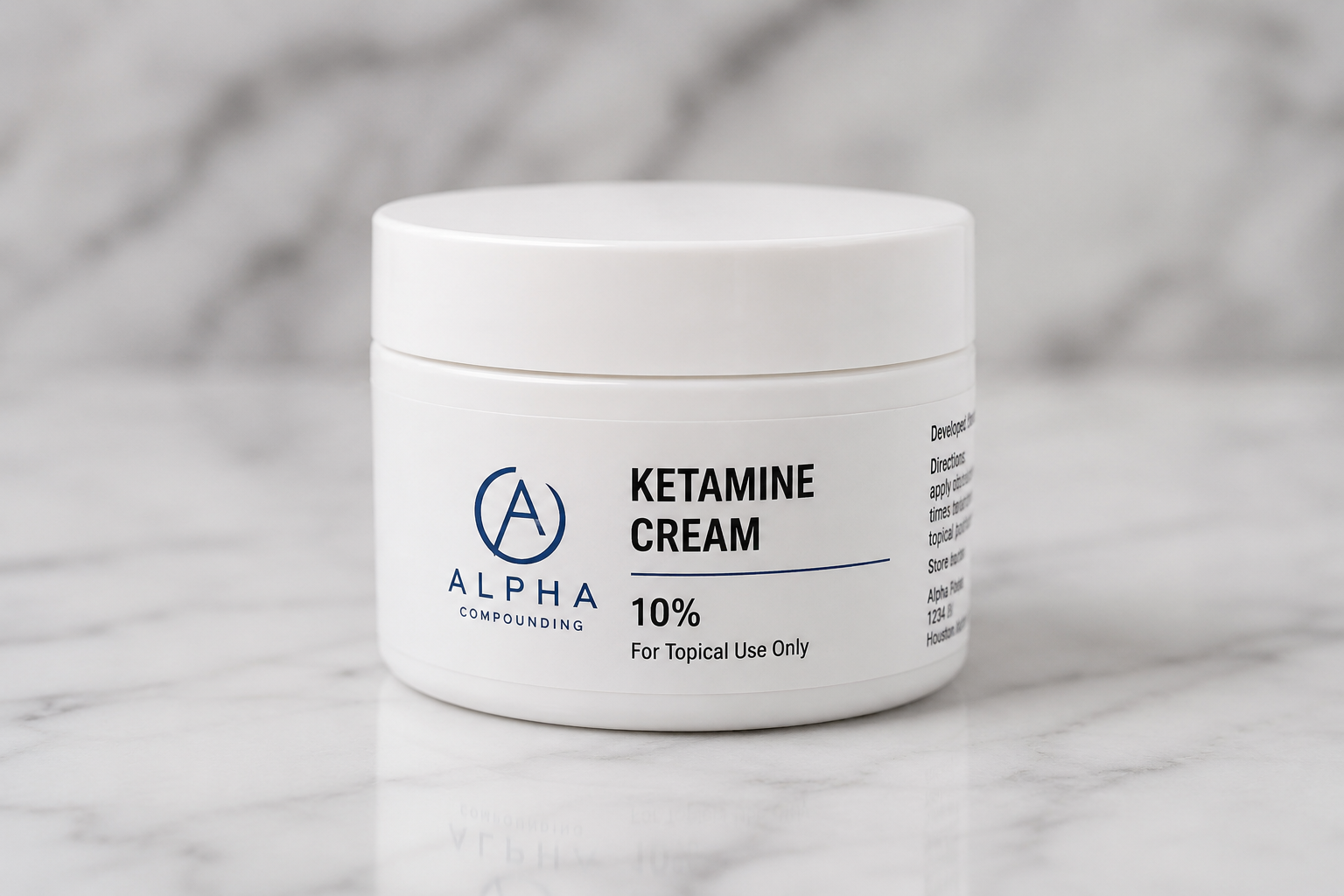
How long does it take for ketamine cream to work is one of the most common questions people ask when exploring topical ketamine for pain relief and wellness support. Many patients want fast results, especially when they deal with nerve pain, muscle discomfort, or chronic inflammation. While response time varies from person to person, many users notice changes within minutes to several days depending on the formulation, dosage, and condition being treated.
Ketamine cream continues to gain attention because it offers targeted application directly to affected areas. Unlike oral medication, topical formulas focus on localized relief without requiring digestion through the stomach. As a result, many patients and healthcare providers view ketamine cream as a practical option for modern pain management.
In this guide, you will learn how ketamine cream works, what affects absorption time, how often users apply it, and what to expect during treatment.
Understanding Ketamine Cream
Ketamine cream is a compounded topical medication that contains ketamine as an active ingredient. Pharmacists often combine it with other ingredients such as lidocaine, gabapentin, or anti-inflammatory agents to support pain relief.
Doctors may recommend compounded ketamine cream for conditions such as:
- Neuropathische pijn
- Nerve sensitivity
- Fibromyalgie
- Arthritis discomfort
- Complex regionaal pijnsyndroom
- Muscle pain
- Joint inflammation
Because users apply the cream directly to the skin, the active ingredients target a specific area instead of circulating heavily throughout the body.
How Ketamine Cream Works in the Body
Ketamine interacts with NMDA receptors in the nervous system. These receptors influence how the brain processes pain signals. When ketamine blocks excessive nerve activity, many patients experience reduced discomfort and improved mobility.
Topical ketamine cream works differently from intravenous ketamine therapy. IV ketamine enters the bloodstream quickly and affects the central nervous system almost immediately. Topical cream focuses more on localized action around the application site.
The cream absorbs through the skin barrier and interacts with nearby tissues and nerves. This process can take time depending on skin thickness, blood circulation, and ingredient concentration.
Typical Timeline for Results
Many people asking hoe lang duurt het voordat ketamine crème werkt want a simple answer. However, the timeline depends on several important factors.
Here is a general expectation guide:
Within 15 to 30 Minutes
Some users report mild relief shortly after applying the cream. Fast absorption may occur in areas with thinner skin or better circulation.
Early effects may include:
- Reduced burning sensations
- Mild numbing
- Decreased tingling
- Improved comfort during movement
Within Several Hours
For moderate discomfort, users may notice gradual improvement throughout the day. Repeated application according to medical instructions can strengthen the overall effect.
Within Several Days
Chronic nerve-related conditions sometimes require consistent use before stronger results appear. Some individuals experience noticeable progress after several days of regular application.
Long-Term Improvement
Many healthcare providers evaluate topical ketamine cream over several weeks. During this period, patients monitor pain levels, sleep quality, mobility, and daily comfort.
Factors That Affect Absorption Speed
Several variables influence how quickly ketamine cream begins working.
Skin Thickness
Areas with thinner skin often absorb medication faster than thicker areas like the soles of the feet or elbows.
Dosage Strength
Higher compounded concentrations may produce stronger or faster effects. Doctors determine the safest concentration based on medical needs.
Frequency of Use
Consistent application helps maintain steady therapeutic effects. Skipping doses may reduce effectiveness.
Severity of the Condition
Mild discomfort may improve sooner than severe nerve damage or chronic pain disorders.
Individual Body Chemistry
Every person processes topical medication differently. Age, hydration, circulation, and skin condition can influence results.
Best Practices for Applying Ketamine Cream
Correct application improves absorption and helps users achieve better outcomes.
Clean the Area First
Wash and dry the affected area before application. Clean skin supports better penetration.
Use the Recommended Amount
Avoid overapplying the cream. Following prescription guidance helps maintain safety and effectiveness.
Massage Gently
Lightly massaging the cream into the skin can improve distribution and absorption.
Wash Hands After Use
Always wash your hands unless the treatment area includes the hands themselves.
Follow the Prescribed Schedule
Consistency often produces better long-term results than occasional use.
Common Conditions Treated With Ketamine Cream
Healthcare professionals may prescribe ketamine cream for various chronic and localized conditions.
Neuropathische pijn
Damaged nerves can create burning, tingling, or stabbing sensations. Topical ketamine may help calm abnormal nerve activity.
Fibromyalgie
People with fibromyalgia often experience widespread tenderness and muscle discomfort. Some patients use compounded creams as part of a broader treatment plan.
Artritis
Inflamed joints may benefit from localized topical application, especially in the knees, hands, or shoulders.
Post-Surgical Discomfort
Doctors occasionally recommend compounded topical medication during recovery from surgery or injury.
Complex Regional Pain Syndrome
This chronic condition can create intense nerve pain and sensitivity. Topical ketamine formulations sometimes support symptom management.
Mogelijke bijwerkingen
Although topical ketamine usually causes fewer systemic effects than intravenous therapy, side effects can still occur.
Common reactions may include:
- Skin irritation
- Roodheid
- Mild burning sensation
- Dryness
- Temporary numbness
Less common effects may include dizziness or fatigue if large amounts absorb systemically.
Patients should contact a healthcare professional if unusual symptoms appear.
Veiligheidsoverwegingen
People should only use ketamine cream under professional supervision. Compounded formulations vary in strength and ingredient combinations.
Important precautions include:
- Keep away from children
- Avoid contact with eyes
- Do not apply to broken skin unless directed
- Store at proper temperatures
- Follow dosage instructions carefully
Pregnant or breastfeeding individuals should consult a medical professional before use.
Comparing Topical Ketamine to Other Pain Relief Options
Many people compare ketamine cream to oral medication or injectable therapies.
Oral Pain Medication
Oral drugs affect the entire body and may produce digestive or systemic side effects.
Injectable Therapy
IV ketamine produces rapid systemic effects but usually requires clinical supervision.
Topical Ketamine Cream
Topical application focuses on localized relief and may reduce widespread side effects.
This targeted approach appeals to many patients seeking practical daily pain support.
When to Speak With a Healthcare Provider
People should consult a qualified professional if:
- Pain worsens
- Symptoms continue after several weeks
- Skin irritation becomes severe
- Side effects appear
- Dosage adjustments seem necessary
Medical supervision helps ensure safe and effective treatment.
Veelgestelde vragen
Can ketamine cream work immediately?
Some individuals notice mild relief within 15 to 30 minutes, while others require several days of consistent use.
How many times per day should ketamine cream be applied?
Application schedules vary depending on the prescription and condition being treated.
Is ketamine cream stronger than oral pain medication?
Topical ketamine targets localized areas directly, but overall effectiveness depends on the specific condition and treatment plan.
Can I use ketamine cream every day?
Many patients use it daily under medical supervision. Always follow professional instructions.
Laatste gedachten
Begrip hoe lang duurt het voordat ketamine crème werkt helps patients set realistic expectations before beginning treatment. Some users experience early relief within minutes, while others notice gradual improvement over several days or weeks. Factors such as dosage strength, consistency, skin absorption, and the underlying condition all influence the timeline.
Topical ketamine cream continues to attract attention because it offers targeted support for localized pain and nerve discomfort. When used responsibly and under medical supervision, it may become an important part of a broader pain management strategy.
If you want to learn more about premium compounded solutions and wellness support products, explore the latest product campaign from Ketacynpharma for trusted Ketacynpharma products.
Contact Ketacynpharma Today
For product inquiries, support, or additional information: