How long does ketamine infusion last for pain is one of the most common questions patients ask when considering ketamine therapy for chronic pain relief. People living with persistent nerve pain or treatment-resistant conditions often search for solutions that provide lasting improvement rather than temporary symptom control. Ketamine infusion therapy has emerged as an innovative medical treatment because it targets the neurological source of chronic pain instead of simply dulling discomfort.
Wat is Ketamine Infusietherapie?
Ketamine was originally developed as an anesthetic medication, but pain specialists now use low-dose intravenous ketamine to treat chronic pain disorders. Unlike opioids or anti-inflammatory drugs, ketamine interacts with NMDA-receptoren in the brain and spinal cord. These receptors regulate how pain signals travel through the nervous system.
Chronic pain frequently occurs when nerves become overly sensitive and continue sending pain signals even after injuries heal. Ketamine helps interrupt this abnormal signaling process and allows the nervous system to reset. Because of this mechanism, patients often experience relief that continues after treatment sessions end.
Doctors commonly recommend ketamine infusions for conditions such as neuropathic pain, fibromyalgia, Complex Regional Pain Syndrome (CRPS), chronic migraines, spinal nerve injuries, and phantom limb pain.
How Ketamine Works to Reduce Pain
Ketamine affects several biological processes linked to chronic pain. It decreases nerve hypersensitivity, reduces inflammation, and promotes neuroplasticity, which means the brain develops healthier communication pathways. Instead of suppressing pain temporarily, ketamine retrains how the brain interprets pain signals.
Many patients notice additional benefits beyond pain reduction. Improved sleep, better mood stability, and increased energy levels often appear alongside physical relief. These improvements occur because chronic pain and emotional health share overlapping brain pathways.
How Long Pain Relief Lasts After a Ketamine Infusion
Patients want clear expectations about treatment outcomes. The duration of relief varies depending on medical history, diagnosis, and treatment protocol.
Relief After a Single Infusion
After one infusion, some patients experience noticeable improvement within hours or days. Pain reduction may last several days or up to two weeks. A single session rarely produces long-term relief, which is why physicians recommend a series of treatments.
Relief After a Full Treatment Series
Most clinics begin with a loading phase consisting of four to six infusions over one to two weeks. This structured schedule allows ketamine to build cumulative therapeutic effects. After completing the initial series, many patients experience relief lasting one to three months. Some individuals maintain improvement for three to six months or longer.
Maintenance Infusions
Maintenance or booster infusions help sustain progress. Patients often return every few months based on symptom recurrence. Regular maintenance significantly extends treatment effectiveness and prevents pain from returning to previous levels.
Factors That Influence Duration of Results
Several variables determine how long ketamine therapy continues working.
Type of Pain Condition
Neuropathic pain tends to respond better than pain caused by structural joint damage. Conditions involving nerve dysfunction often show stronger and longer-lasting outcomes.
Length of Time Living With Pain
Early intervention usually produces better results. Long-standing chronic pain may require additional treatments to retrain the nervous system.
Dosage and Treatment Protocol
Personalized dosing plans designed by experienced providers improve effectiveness. Proper infusion timing and medical supervision contribute to longer relief periods.
Overall Health and Lifestyle
Sleep quality, nutrition, physical activity, and stress levels directly influence nervous system recovery. Healthy habits help maintain therapeutic benefits.
Wat te verwachten tijdens de behandeling
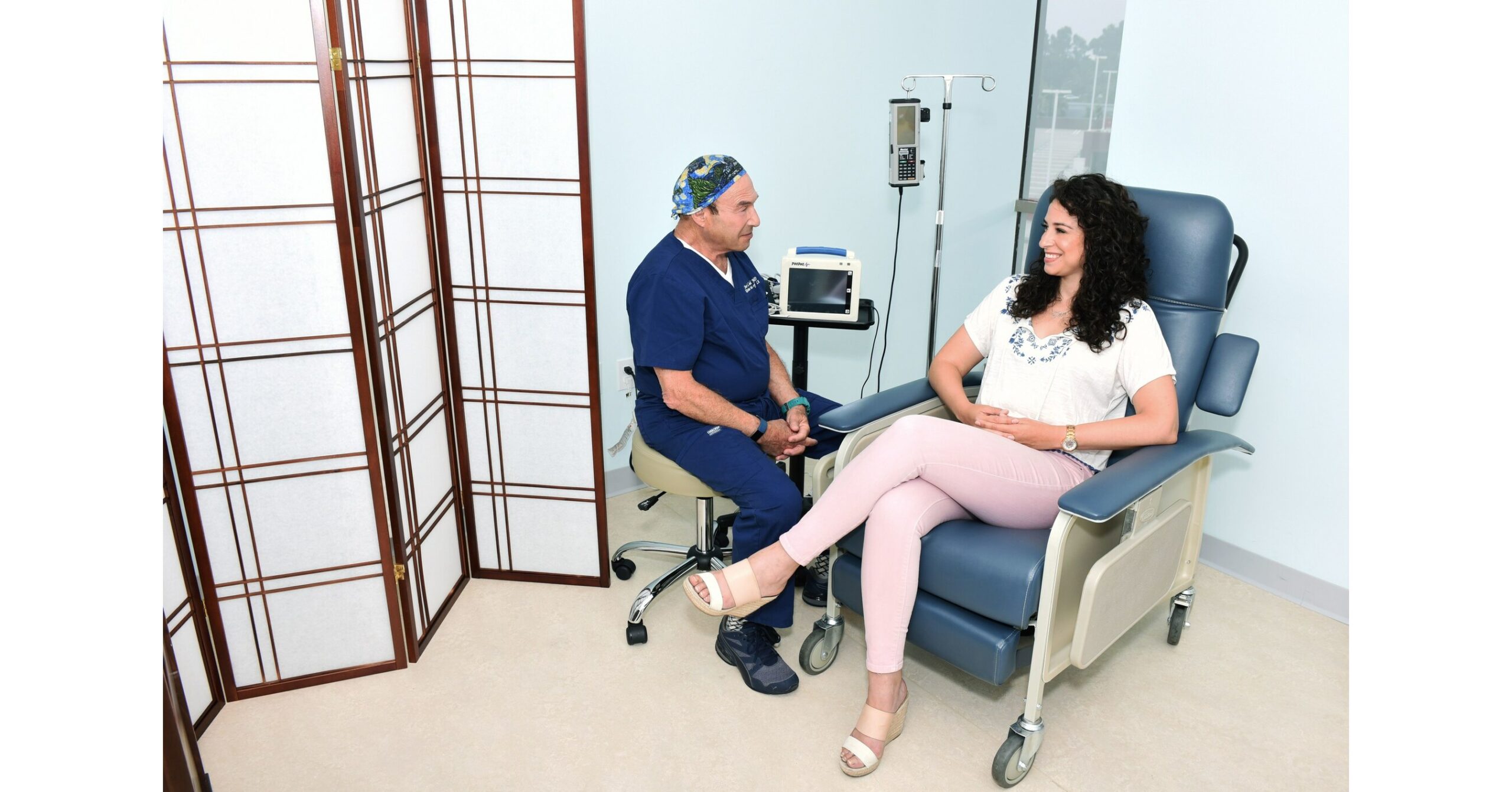
Ketamine infusions occur in a controlled medical environment. A healthcare professional administers the medication through an intravenous line while monitoring vital signs throughout the session.
Infusions usually last between forty minutes and several hours depending on treatment goals. Patients remain awake but deeply relaxed. Some describe a dreamlike or calm mental state during treatment. These sensations fade soon after the infusion ends.
Most patients go home the same day and resume normal activities within twenty-four hours.
Benefits of Ketamine Infusion Therapy for Chronic Pain
Ketamine therapy offers several advantages compared with traditional pain management approaches.
It provides a non-opioid alternative for individuals seeking safer long-term pain control. The treatment works quickly compared with medications that require weeks to become effective. Ketamine also promotes brain healing through neuroplasticity, allowing lasting improvement rather than short-term suppression of symptoms.
Many patients also experience enhanced emotional well-being. Chronic pain often contributes to depression and anxiety, and ketamine’s neurological effects may improve mental health alongside physical recovery.
Who Is a Good Candidate for Ketamine Therapy?
Pain specialists typically consider ketamine infusions for patients who have not responded to standard treatments or who cannot tolerate opioid medications. Individuals with nerve-related pain, centralized pain syndromes, or treatment-resistant symptoms often benefit the most.
A comprehensive medical evaluation ensures the therapy remains safe and appropriate for each patient.
How to Make Ketamine Pain Relief Last Longer
Patients can actively support long-term success after treatment.
Follow all post-treatment recommendations provided by your clinician. Prioritize consistent sleep habits because restorative sleep stabilizes pain regulation pathways. Gentle exercise improves circulation and supports nerve healing. Stress management techniques such as mindfulness, therapy, or relaxation exercises reduce nervous system overstimulation. Scheduled booster infusions often provide the strongest protection against symptom recurrence.
Safety and Possible Side Effects
Ketamine infusion therapy remains safe when administered by trained medical professionals. Temporary side effects may include dizziness, nausea, mild confusion, or temporary increases in blood pressure during treatment. Medical monitoring minimizes risks and ensures patient comfort throughout the process.
Final Thoughts on Ketamine Infusion Duration
Ketamine infusion therapy represents a major advancement in chronic pain treatment. While results vary between individuals, many patients achieve meaningful relief lasting weeks or months after completing a structured infusion series. The therapy focuses on correcting abnormal pain signaling rather than masking symptoms, which explains why benefits often continue beyond the treatment session itself.
Patients considering therapy should consult experienced providers to develop a personalized plan that supports long-term pain management and improved quality of life.
Contact and Product Campaign Information
If you are exploring ketamine therapy or looking for trusted ketamine-related solutions, professional guidance can help you take the next step toward pain relief.
Bel of WhatsApp: +1 (531) 400 1813
Explore the product campaign and available solutions at:
Ketacynpharma.com — Official Ketacynpharma Products
Reach out today to learn more about treatment options, product availability, and personalized support for chronic pain management.