Is ketamine horse tranq? Many people ask this question after hearing ketamine described as a veterinary drug. While veterinarians often use ketamine to anesthetize horses and other animals, that description does not tell the whole story. Ketamine has a long history in both veterinary and human medicine. Doctors, researchers, and mental health professionals continue to study and use it for several important medical purposes.
The nickname “horse tranquilizer” has created confusion and stigma around ketamine. As a result, many people misunderstand how it works and why healthcare professionals use it. Learning the facts can help separate medical reality from popular myths.
In this article, we will explore ketamine’s origins, veterinary uses, medical applications, and role in mental health treatment.
Wat is Ketamine?
Ketamine is a dissociative anesthetic that medical professionals use to induce and maintain anesthesia. Researchers first developed it in the 1960s as a safer alternative to other anesthetic medications.
Today, ketamine serves several medical purposes, including:
- Anesthesia during surgical procedures
- Pain management in specific cases
- Emergency medicine applications
- Mental health treatment under professional supervision
- Veterinary anesthesia for animals of different sizes
Healthcare providers value ketamine because it acts quickly and often preserves breathing and protective airway reflexes better than some other anesthetics.
Why Do People Call Ketamine Horse Tranquilizer?
The term “horse tranquilizer” became popular because veterinarians frequently use ketamine during procedures involving horses. Large animals often require effective anesthetic agents that can provide reliable sedation and pain control.
However, the nickname can be misleading.
Ketamine is not exclusively used in horses. Veterinarians administer it to many animals, including:
- Honden
- Katten
- Paarden
- Cattle
- Exotic animals
- Zoo animals
In addition, hospitals and surgical centers have used ketamine in human medicine for decades. The medication remains an important tool in healthcare settings around the world.
Therefore, calling ketamine only a horse tranquilizer oversimplifies its medical value and broad range of applications.
How Veterinarians Use Ketamine in Horses
Veterinarians often rely on ketamine when performing procedures that require anesthesia or deep sedation. Horses present unique challenges because of their size, strength, and sensitivity to stress.
Ketamine helps veterinarians:
- Perform surgical procedures
- Conduct diagnostic examinations
- Manage short-term anesthesia
- Improve animal safety during treatment
- Reduce movement during medical interventions
In equine medicine, ketamine usually works alongside other medications rather than as a standalone drug. Veterinary professionals carefully calculate dosages based on the horse’s weight, health status, and specific medical needs.
This controlled medical use differs greatly from how the public often perceives the drug.
Ketamine in Human Medicine
Many people do not realize that ketamine has served human patients for more than 50 years. Doctors use it in hospitals, emergency departments, and surgical settings worldwide.
Some common medical applications include:
Anesthesie
Ketamine can provide anesthesia for surgeries and procedures. Medical teams often choose it in situations where maintaining cardiovascular stability is important.
Emergency Care
Emergency physicians may use ketamine in trauma care, pain management, and certain urgent medical situations.
Pijnbestrijding
Some healthcare providers use ketamine-based treatments for specific chronic pain conditions when conventional therapies fail to provide adequate relief.
Behandeling van de geestelijke gezondheid
One of the most significant developments in recent years involves ketamine-assisted therapy and ketamine-based treatment programs for mental health conditions.
Researchers continue to investigate ketamine’s potential role in treating:
- Behandelingsresistente depressie
- Angstaandoeningen
- Posttraumatische stressstoornis (PTSD)
- Suicidal ideation
- Mood disorders
Medical professionals administer these treatments under careful supervision and according to established clinical protocols.
Hoe Ketamine werkt in het brein
Ketamine affects the brain differently than many traditional medications. It primarily interacts with N-methyl-D-aspartate (NMDA) receptors, which play important roles in learning, memory, and neural communication.
Scientists believe ketamine may promote new neural connections and support neuroplasticity. Neuroplasticity refers to the brain’s ability to adapt, reorganize, and form new pathways.
This unique mechanism has generated significant interest among researchers studying mental health treatments.
Unlike many conventional antidepressants that may take weeks to produce noticeable effects, ketamine can act much more rapidly in certain clinical settings.
The Difference Between Medical Ketamine and Street Misuse
When discussing ketamine, it is important to distinguish between legitimate medical use and recreational misuse.
Medical ketamine involves:
- Professional supervision
- Controlled dosing
- Medical screening
- Lopende monitoring
- Evidence-based protocols
Recreational misuse occurs outside these safeguards and can increase the risk of adverse effects and dangerous outcomes.
Patients considering ketamine-based treatment should always seek guidance from qualified healthcare providers rather than relying on information from unofficial sources.
Is Ketamine Safe?
Like any medication, ketamine carries benefits and risks. Safety depends on factors such as dosage, medical history, treatment setting, and professional oversight.
Under appropriate medical supervision, ketamine has demonstrated a strong safety profile for many approved applications.
Potential side effects may include:
- Temporary increases in blood pressure
- Duizeligheid
- Misselijkheid
- Changes in perception
- Slaperigheid
- Temporary dissociative experiences
Healthcare professionals carefully evaluate patients before recommending ketamine treatment and monitor them throughout the process.
Common Myths About Ketamine
Myth 1: Ketamine Is Only Used for Horses
This statement is false. Veterinarians use ketamine in many animal species, and physicians use it in human medicine worldwide.
Myth 2: Ketamine Has No Medical Value
Ketamine remains an important anesthetic and has become an area of significant interest in mental health research.
Myth 3: All Ketamine Use Is Dangerous
Medical use under professional supervision differs substantially from misuse. Proper clinical administration follows strict safety standards.
Myth 4: Ketamine Is a New Drug
Researchers developed ketamine in the 1960s. Medical professionals have decades of experience working with it.
Why Accurate Information Matters
Misunderstandings often prevent people from exploring legitimate treatment options. Labels such as “horse tranquilizer” can create unnecessary fear and confusion.
Patients deserve accurate information when evaluating healthcare decisions. Understanding ketamine’s history, uses, and scientific background allows individuals to make more informed choices with their healthcare providers.
As research continues, ketamine-assisted therapy may offer hope for people who have struggled to find relief through traditional treatment approaches.
Conclusie
The answer to the question “is ketamine horse tranq” is both yes and no. Veterinarians do use ketamine for horses, but that represents only one part of its medical story. Ketamine also serves important roles in human anesthesia, pain management, emergency medicine, and mental health treatment.
Rather than viewing ketamine solely through the lens of veterinary medicine, it is more accurate to recognize it as a versatile medication with applications across multiple healthcare fields. Understanding the facts helps reduce stigma and promotes informed conversations about treatment options.
Speak With a Ketamine Specialist Today
If you would like to learn more about ketamine-ondersteunde therapie, mental health treatment options, or professional guidance regarding your situation, our team is here to help.
Call or WhatsApp: +1 (531) 400-1813
Contact us on WhatsApp to speak directly with a ketamine therapist or specialist. We can help guide you through your mental health journey and answer questions about available treatment options.
Explore Ketacynpharma Products
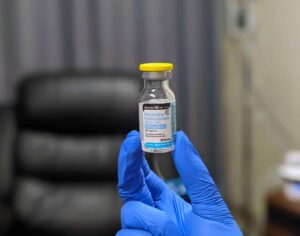
For pharmaceutical ketamine products, including Ketaset 100 mg/mL, visit:
Product Page:
https://ketacynpharma.com/product/ketaset-100-mg-ml/
Reach out today to learn more about Ketacynpharma products and discuss potential treatment pathways with a knowledgeable member of our team.