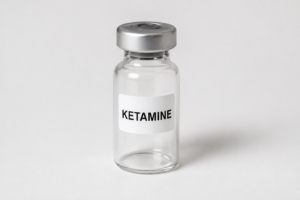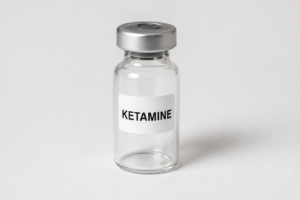
Ketamine treatment for depression Ontario has become an increasingly discussed option among individuals seeking new solutions for persistent depression. While traditional treatments help many people, some individuals continue to struggle despite trying medications, counseling, and lifestyle changes. This challenge has encouraged healthcare providers and researchers to explore innovative approaches that may offer relief when conventional methods fall short.
Depression affects millions of people worldwide and can impact every aspect of daily life, including relationships, work performance, physical health, and emotional well-being. As awareness grows about alternative mental health therapies, ketamine has emerged as a promising treatment that may help eligible patients achieve meaningful improvements in their symptoms.
This guide explains how ketamine therapy works, who may benefit from it, what patients can expect during treatment, and why this approach continues to gain attention across Ontario.
Understanding Depression and Its Challenges
Depression is more than feeling sad or experiencing temporary emotional difficulties. It is a serious mental health condition that can affect how a person thinks, feels, and functions. Common symptoms include:
- Persistent sadness
- Loss of interest in activities
- Low energy levels
- Difficulty concentrating
- Changes in sleep patterns
- Appetite changes
- Feelings of hopelessness
- Social withdrawal
For many individuals, standard antidepressant medications provide significant benefits. However, some patients experience treatment-resistant depression, meaning they do not achieve sufficient improvement after trying multiple therapies. This situation often creates frustration and a desire to explore additional options.
Wat is Ketamine Therapie?
Ketamine was originally developed as an anesthetic and has been used safely in medical settings for decades. Researchers later discovered that it may also produce rapid antidepressant effects in certain patients.
Unlike traditional antidepressants, which primarily target serotonin, dopamine, or norepinephrine pathways, ketamine works differently. It influences glutamate, a neurotransmitter involved in learning, memory, and brain plasticity.
By affecting glutamate activity, ketamine may help the brain form new neural connections and improve communication between brain regions involved in mood regulation.
This unique mechanism has generated significant interest among mental health professionals and researchers worldwide.
How Ketamine May Help Individuals with Depression
One reason ketamine has attracted attention is the speed at which some patients report improvements.
Traditional antidepressants often require several weeks before noticeable changes occur. Ketamine, however, may produce benefits much sooner in certain individuals. Researchers believe this rapid response may result from its effects on neural pathways associated with emotional processing and resilience.
Potential benefits reported by patients include:
- Improved mood
- Reduced feelings of hopelessness
- Better emotional stability
- Verhoogde motivatie
- Enhanced daily functioning
- Improved quality of life
It is important to understand that results vary from person to person. Healthcare professionals evaluate each patient carefully to determine whether ketamine therapy may be appropriate.
Who May Be a Candidate for Ketamine Therapy?
Healthcare providers typically consider ketamine treatment for individuals who:
- Have treatment-resistant depression
- Have not responded adequately to multiple antidepressants
- Continue experiencing severe depressive symptoms
- Need alternative treatment options under professional supervision
A comprehensive assessment usually takes place before treatment begins. This evaluation helps clinicians understand the patient’s medical history, mental health history, current medications, and overall treatment goals.
Because every case differs, eligibility decisions should always involve qualified healthcare professionals.
Wat te verwachten tijdens de behandeling
Patients often have questions about what occurs during a ketamine therapy session.
The exact process depends on the clinic and treatment approach. Medical professionals monitor patients throughout the session to ensure safety and comfort.
A typical treatment journey may include:
Eerste raadpleging
The healthcare team reviews medical records, discusses symptoms, and determines whether ketamine therapy is appropriate.
Treatment Sessions
Patients receive treatment in a controlled clinical environment. Medical professionals supervise the process and monitor vital signs.
Observation Period
After treatment, patients remain under observation until healthcare providers determine they are ready to leave safely.
Follow-up zorg
Clinicians assess progress and discuss future treatment recommendations based on individual response.
Ongoing communication between patients and healthcare providers plays an important role in achieving the best possible outcomes.
The Science Behind Ketamine and Brain Plasticity
One of the most exciting aspects of ketamine research involves neuroplasticity.
Neuroplasticity refers to the brain’s ability to adapt, reorganize, and create new neural connections. Depression can negatively affect these processes, leading to rigid patterns of thinking and emotional distress.
Research suggests ketamine may support healthier neural communication by encouraging the formation of new connections within brain networks involved in mood regulation.
Although scientists continue studying these mechanisms, current findings have increased interest in ketamine as a potential mental health treatment.
Benefits of Seeking Professional Care
Mental health treatment requires a personalized approach. Professional evaluation ensures that patients receive care tailored to their unique circumstances.
Benefits of working with qualified providers include:
Individualized Treatment Plans
Each patient receives recommendations based on their specific needs and medical history.
Comprehensive Monitoring
Healthcare professionals track progress and address concerns throughout treatment.
Integrated Mental Health Support
Many providers combine therapy, counseling, and other supportive services to improve overall outcomes.
Safety and Guidance
Medical supervision helps ensure treatment occurs in an appropriate and controlled setting.
These factors contribute to a more comprehensive approach to managing depression.
Mental Health Support Beyond Medication
While innovative treatments can be valuable, mental health recovery often involves multiple strategies working together.
Many healthcare providers encourage patients to combine medical treatment with healthy lifestyle habits, including:
- Regular physical activity
- Balanced nutrition
- Consistent sleep schedules
- Stress management techniques
- Counseling or psychotherapy
- Strong social support systems
These practices may help individuals build resilience and support long-term emotional well-being.
Current Interest in Ontario
As awareness continues to grow, ketamine treatment for depression Ontario has become a topic of increasing interest among patients and healthcare professionals. Individuals seeking alternatives to traditional treatment approaches often explore available options after consulting qualified providers.
Ongoing research continues to improve understanding of how ketamine may support mental health care and where it fits within broader treatment strategies.
Healthcare professionals remain committed to evaluating emerging evidence and helping patients make informed decisions about their care.
Important Considerations Before Treatment
Anyone considering ketamine therapy should discuss the following topics with a healthcare provider:
- Medische geschiedenis
- Huidige medicijnen
- Previous depression treatments
- Potential risks and benefits
- Treatment expectations
- Follow-up care requirements
A thorough discussion helps patients understand whether this treatment aligns with their individual circumstances and goals.
Making informed decisions with professional guidance remains essential for achieving the best outcomes.
Looking Ahead
The future of depression treatment continues to evolve. Researchers, clinicians, and mental health advocates are working together to expand understanding of innovative therapies and improve access to care.
As scientific knowledge advances, treatments that target brain plasticity and neural connectivity may play an increasingly important role in mental health management.
For individuals who have struggled with persistent symptoms, exploring evidence-based options under professional supervision may provide new opportunities for recovery and improved quality of life.
Conclusie
Ketamine treatment for depression Ontario represents an important development in modern mental health care. By targeting different neurological pathways than traditional antidepressants, ketamine offers a unique approach that has generated significant interest among researchers and healthcare providers.
Although treatment is not appropriate for everyone, ongoing research continues to improve understanding of its potential role in managing depression. Individuals considering this option should consult qualified healthcare professionals who can evaluate their circumstances and recommend appropriate care.
If you are exploring mental health treatment options or would like to learn more about ketamine treatment for depression Ontario, professional guidance can help you determine the next steps toward improved emotional well-being.
Speak With a Specialist Today
If you would like to discuss treatment options with an experienced specialist, contact our team today.
💬 WhatsApp Specialist Support: +1 (531) 400-1813
Message us on WhatsApp to speak directly with a specialist who can answer your questions and guide you through available treatment options.
Explore Ketacynpharma Products
Looking for high-quality ketamine-related products and pharmaceutical solutions? Visit Ketacynpharma.com to explore our product range and learn more about available options designed to support healthcare needs.
For product information, treatment guidance, or specialist support:
📞 Phone: +1 (531) 400-1813
Our team is ready to assist you.