What to Expect After Ketamine Treatment for Depression
What to expect after ketamine treatment for depression is one of the most common questions people ask before beginning ketamine-assisted therapy. Understanding the recovery process helps reduce anxiety, prepares you for the experience, and allows you to get the greatest possible benefit from treatment. While every person’s response differs, many people notice gradual emotional, mental, and physical changes during the hours and days following a ketamine session.
Ketamine therapy has become an increasingly recognized option for people living with treatment-resistant depression, anxiety disorders, PTSD, and other mental health conditions. Unlike many traditional antidepressants that may require several weeks before producing noticeable improvements, ketamine may begin working much sooner for some individuals. Knowing what happens after treatment helps you make informed decisions and develop realistic expectations throughout your healing journey.
Understanding Ketamine Treatment
Ketamine was originally developed as an anesthetic and remains widely used in medical settings today. Researchers later discovered that controlled doses could rapidly improve symptoms of depression in many patients who had not responded well to conventional medications.
Healthcare providers administer ketamine in several forms, including:
- Intravenous (IV) infusion
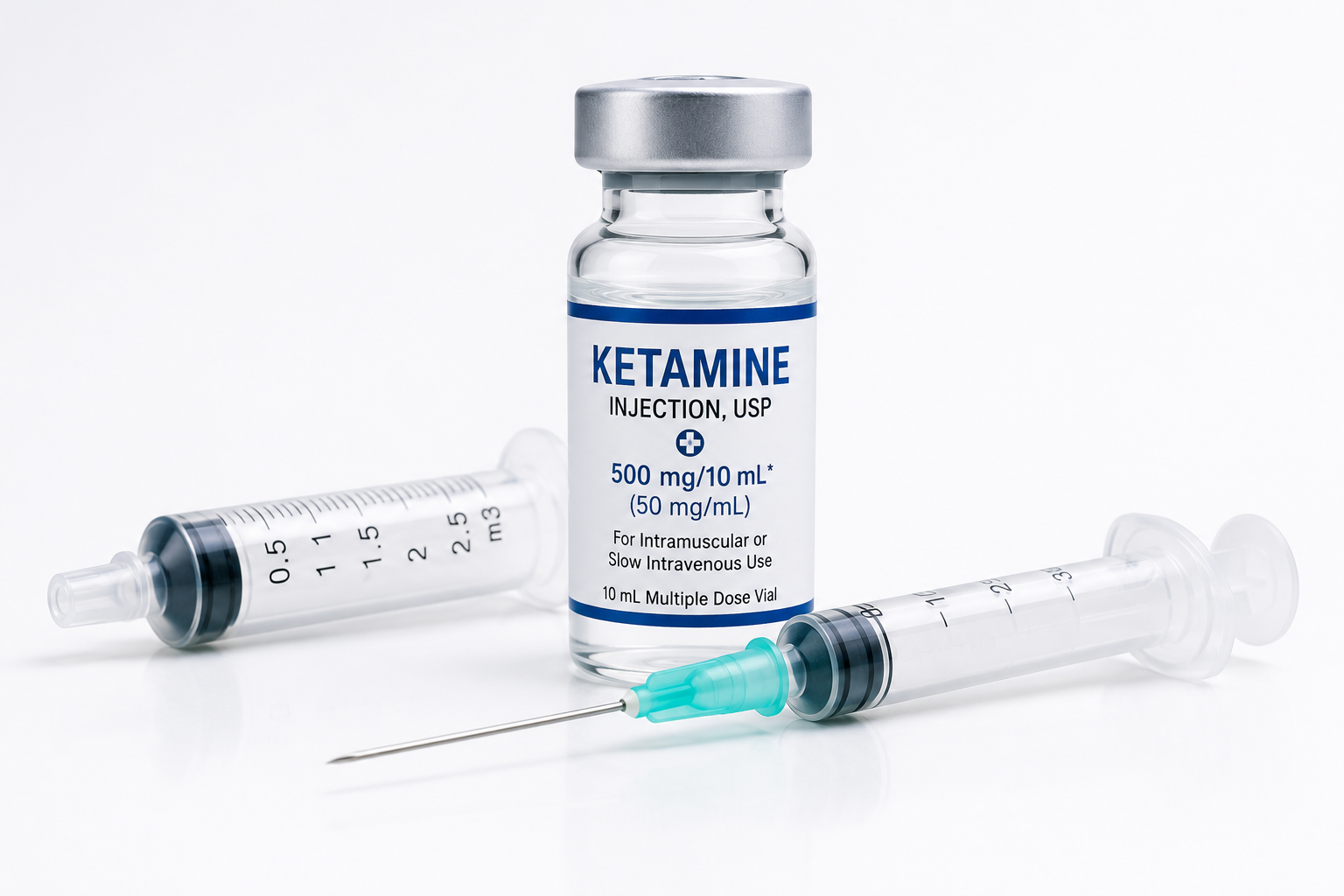
- Intramuscular (IM) injection
- Oral lozenges
- Nasal formulations
- Sublingual tablets
Your provider determines the most appropriate treatment method based on your medical history, symptoms, and treatment goals.
The First Few Hours After Treatment
Immediately following your session, you will remain under observation until your provider determines you are medically stable. During this recovery period, you may experience temporary sensations that gradually fade.
Many patients report:
- Mild drowsiness
- Lightheadedness
- Blurred vision
- Altered perception
- Reduced coordination
- Relaxation
- Emotional sensitivity
These effects usually decrease within one to two hours, although mild fatigue can continue for the rest of the day.
Because ketamine temporarily affects coordination and judgment, you should avoid driving, operating machinery, signing important documents, or making significant life decisions until the following day.
Emotional Changes During the First Day
Many patients become curious about what to expect after ketamine treatment for depression because emotional responses vary considerably.
Some individuals notice:
- A sense of calm
- Reduced emotional heaviness
- Greater optimism
- Improved emotional flexibility
- Increased motivation
Others may experience little change after their first treatment. This does not necessarily indicate that therapy is ineffective. Many treatment protocols involve multiple sessions because improvements often develop gradually.
Some people also experience emotional processing after treatment. Old memories, thoughts, or feelings may surface. Mental health professionals often encourage patients to discuss these experiences during psychotherapy because they can contribute to long-term healing.
Physical Recovery
Physical recovery is usually straightforward.
Common temporary side effects include:
- Mild headache
- Nausea
- Fatigue
- Dry mouth
- Slight dizziness
These symptoms generally resolve within several hours. Drinking water, eating a light meal, and resting often improve comfort.
If severe vomiting, chest pain, breathing difficulties, or persistent confusion develops, seek immediate medical attention.
The First Week
During the first week, improvements often become more noticeable.
Patients frequently report:
- Better mood
- Less hopelessness
- Improved concentration
- Better sleep
- Reduced anxiety
- Greater emotional resilience
For individuals receiving a series of treatments, each appointment may build upon previous improvements.
Some days may feel better than others. Temporary fluctuations do not necessarily mean treatment has stopped working.
Mental Clarity and Cognitive Changes
Many individuals describe increased mental clarity after several treatments.
Benefits may include:
- Improved focus
- Better decision-making
- Enhanced creativity
- Increased productivity
- Reduced mental fog
Some patients also report greater emotional awareness and improved ability to participate in counseling sessions.
How Long Do Benefits Last?
One of the most common questions regarding what to expect after ketamine treatment for depression involves treatment duration.
Several factors influence how long improvements continue, including:
- Individual biology
- Severity of depression
- Number of treatments received
- Lifestyle habits
- Ongoing psychotherapy
- Medication management
- Stress levels
Some patients experience benefits lasting several weeks, while others require maintenance sessions to sustain symptom relief.
Healthcare providers personalize treatment schedules according to each patient’s response.
The Importance of Therapy After Ketamine
Ketamine creates an opportunity for emotional growth, but therapy often helps patients make lasting behavioral changes.
Many providers recommend integrating:
- Cognitive Behavioral Therapy (CBT)
- Acceptance and Commitment Therapy (ACT)
- Mindfulness practices
- Trauma-informed counseling
- Support groups
Combining ketamine with psychotherapy may improve long-term outcomes by helping patients process emotions and develop healthier coping strategies.
Lifestyle Habits That Support Recovery
Healthy daily habits may maximize treatment benefits.
Consider focusing on:
Quality Sleep
Aim for consistent sleep each night to support emotional regulation and brain recovery.
Proper Nutrition
Choose balanced meals containing lean protein, vegetables, fruits, healthy fats, and whole grains.
Hydration
Drink enough water throughout the day, especially after treatment.
Physical Activity
Gentle exercise such as walking, stretching, or yoga may improve mood and energy.
Stress Management
Meditation, breathing exercises, journaling, and mindfulness practices may reduce emotional stress.
Avoid Alcohol and Recreational Drugs
These substances may interfere with recovery and reduce treatment effectiveness.
When Should You Contact Your Provider?
Although complications remain uncommon, contact your healthcare provider if you experience:
- Persistent confusion
- Severe anxiety
- Hallucinations lasting beyond treatment
- Difficulty breathing
- Chest pain
- Allergic reactions
- Severe nausea or vomiting
- Worsening depression
- Thoughts of self-harm
Prompt communication helps your provider determine the safest next steps.
Common Misconceptions
Several myths surround ketamine therapy.
Improvement Happens Instantly
While some patients notice rapid symptom relief, others improve gradually after multiple sessions.
One Treatment Is Enough
Many treatment plans include an initial series followed by maintenance sessions when appropriate.
Everyone Has the Same Experience
Each person’s medical history, brain chemistry, and emotional state influence treatment outcomes.
Side Effects Last for Days
Most physical side effects resolve within several hours after treatment.
Frequently Asked Questions
How soon will I feel better?
Some people notice improvements within hours, while others require several treatments before experiencing meaningful symptom relief.
Can I return to work the same day?
Most providers recommend resting for the remainder of the day and returning to normal activities the following day if you feel well.
Is fatigue normal?
Yes. Mild fatigue commonly occurs after treatment and usually improves with rest.
Will I need maintenance sessions?
Some patients benefit from maintenance treatments depending on symptom recurrence and provider recommendations.
Can ketamine replace antidepressants?
Never stop prescribed medications without discussing changes with your healthcare provider. Treatment plans should always be individualized.
Final Thoughts
Understanding what to expect after ketamine treatment for depression allows patients to approach therapy with realistic expectations and confidence. Recovery often involves gradual emotional improvements, increased mental clarity, and better daily functioning. While every person’s experience differs, following your provider’s recommendations, maintaining healthy habits, and participating in therapy can help maximize long-term success.
Ketamine-assisted therapy continues to offer hope for many individuals living with treatment-resistant depression. Staying engaged with your healthcare team throughout treatment provides the best opportunity for lasting improvement.
Speak With a Ketamine Specialist Today
If you have questions about ketamine-assisted therapy or would like guidance on whether treatment may be appropriate for you, our experienced ketamine specialists are here to help.
Call or WhatsApp: +1 (531) 400-1813
Send us a message on WhatsApp or give us a call to speak directly with a ketamine therapist or specialist.
Looking for high-quality ketamine products? Visit Ketacynpharma.com to explore the complete Ketacynpharma product collection. Whether you are seeking professional information or trusted ketamine-related products, Ketacynpharma is committed to delivering quality and reliability.