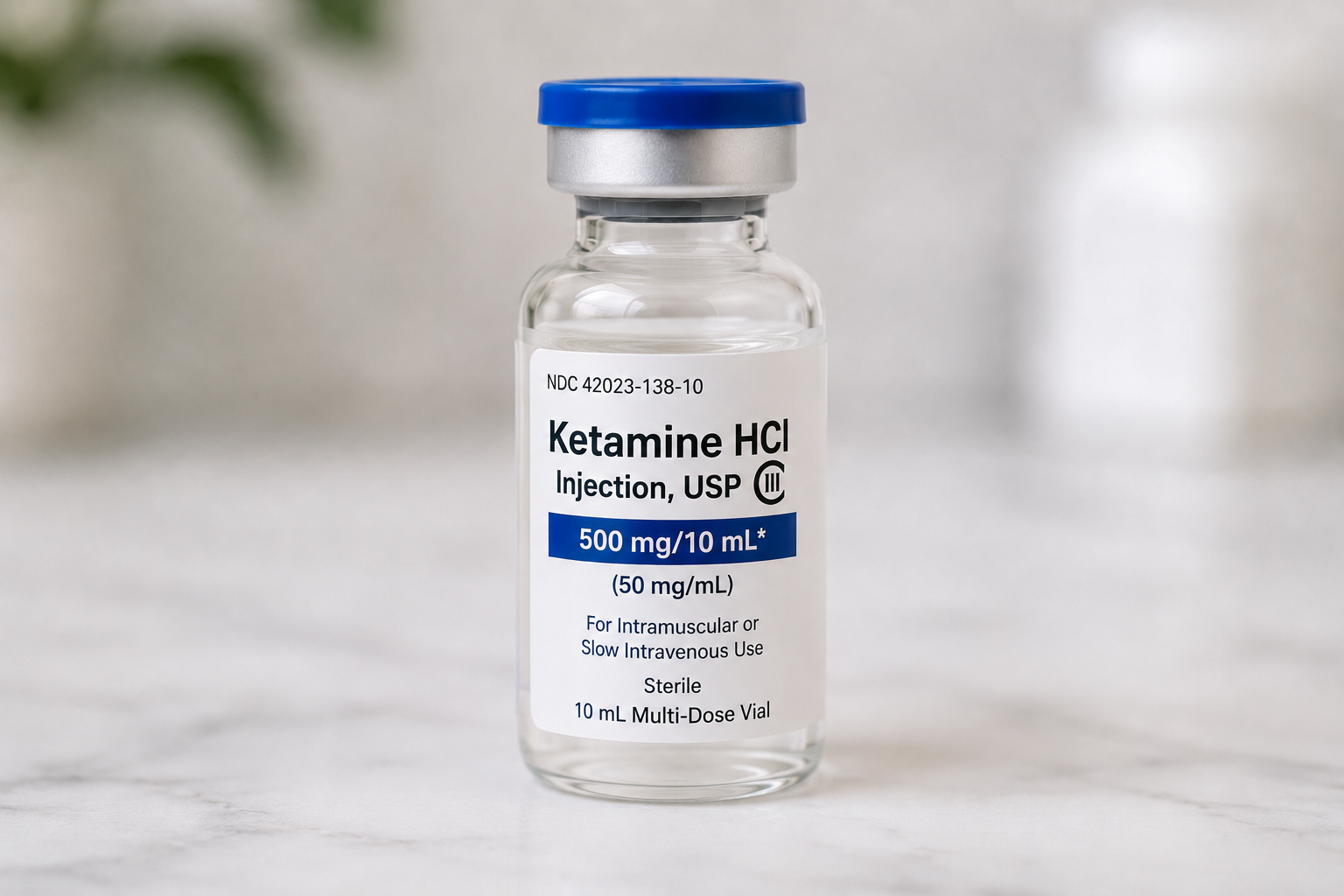
Best online ketamine therapy for depression is a search phrase that reflects growing interest in alternative treatment options for people living with depression that has not improved with conventional care. While many websites rank providers or compare services, understanding the science behind ketamine therapy is more valuable than relying on marketing claims. This guide explains how ketamine is used in mental health care, what current research suggests, who may be eligible, and why medical supervision is essential.
Understanding Depression and Treatment Resistance
Depression is a common mental health condition that can affect mood, energy levels, sleep, concentration, and overall quality of life. For many people, a combination of antidepressant medication, psychotherapy, lifestyle changes, and social support leads to significant improvement.
However, some individuals continue to experience symptoms despite trying multiple evidence-based treatments. This is often referred to as treatment-resistant depression. In these situations, a healthcare professional may discuss additional treatment options, including ketamine-based therapies.
How Ketamine Is Different From Traditional Antidepressants
Unlike many antidepressants that primarily affect serotonin or norepinephrine, ketamine influences glutamate, an important neurotransmitter involved in communication between brain cells. Researchers believe this mechanism may help restore connections in brain regions associated with mood regulation.
Clinical studies have shown that some patients experience improvement in depressive symptoms within hours or days. Although these findings are promising, responses vary, and ketamine is not appropriate for every patient.
Best Online Ketamine Therapy for Depression: What to Evaluate
When researching the best online ketamine therapy for depression, it is helpful to focus on the quality of medical care rather than advertising claims. A reputable healthcare service should prioritize patient safety through:
- A comprehensive medical evaluation
- Assessment of mental health history
- Review of current medications
- Ongoing follow-up appointments
- Clear communication about benefits and risks
- Coordination with other mental health treatments when appropriate
These elements help ensure that treatment decisions are based on clinical need rather than convenience.
Who May Be Considered for Ketamine Therapy?
Healthcare professionals may consider ketamine therapy for adults who have experienced:
- Treatment-resistant depression
- Major depressive disorder in selected cases
- Persistent depressive symptoms despite standard treatment
Eligibility depends on a thorough assessment. Certain medical conditions, medications, or psychiatric histories may make ketamine unsuitable for some individuals.
Potential Benefits Supported by Research
Research continues to investigate ketamine’s role in treating depression. Some studies suggest potential benefits that include:
- Rapid reduction of depressive symptoms for some patients
- Improved mood after other treatments have been unsuccessful
- Better daily functioning in selected individuals
- Increased ability to participate in psychotherapy
Although encouraging, these findings do not guarantee success for every patient, and long-term outcomes continue to be studied.
Understanding the Risks
Every medical treatment involves potential risks. Ketamine therapy may cause temporary side effects such as:
- Dizziness
- Nausea
- Sleepiness
- Elevated blood pressure
- Dissociation or altered perception during treatment
Healthcare professionals monitor patients carefully to manage side effects and determine whether treatment should continue.
Questions to Discuss With Your Healthcare Provider
If ketamine therapy is being considered, patients may wish to ask:
- Why is this treatment recommended for me?
- What evidence supports its use?
- What side effects should I expect?
- How will my response be monitored?
- What happens if the treatment is ineffective?
- What other treatment options are available?
Open communication helps patients make informed decisions based on their individual circumstances.
The Importance of Ongoing Mental Health Care
Ketamine therapy should not be viewed as a standalone solution. Many experts recommend combining it with psychotherapy, regular follow-up appointments, healthy lifestyle habits, and other evidence-based treatments when appropriate.
Managing depression often requires a personalized treatment plan that addresses both symptoms and overall well-being.
Frequently Asked Questions
Is ketamine approved for depression?
Ketamine has approved medical uses as an anesthetic. In some countries, an esketamine nasal spray has been approved for certain adults with treatment-resistant depression under strict medical supervision.
Can everyone receive ketamine therapy?
No. A licensed healthcare professional must determine whether the potential benefits outweigh the risks for each individual.
Does ketamine cure depression?
Current evidence does not suggest that ketamine is a cure. Instead, it may reduce symptoms for some patients as part of a comprehensive treatment plan.
Is more research needed?
Yes. Researchers continue to study the long-term effectiveness, optimal treatment schedules, and safety of ketamine therapy for depression.
Conclusion
Finding the best online ketamine therapy for depression starts with understanding the available evidence and consulting a qualified healthcare professional. To learn more about ketamine research and educational resources, visit the KetacynPharma website for additional information.