Can you overdose on DMT? This is one of the most common questions people ask when researching psychedelic substances. DMT, or dimethyltryptamine, is a powerful psychedelic known for producing intense changes in perception, emotions, and consciousness. Although many people focus on the psychological effects, it is equally important to understand the potential health risks.
Current research suggests that classic psychedelics differ from substances such as opioids when it comes to overdose risk. However, that does not mean DMT is risk-free. Understanding the facts can help individuals make informed decisions and recognize situations that may require medical attention.
What Is DMT?
DMT stands for dimethyltryptamine, a naturally occurring psychedelic compound found in certain plants. Researchers have studied this substance for decades because of its powerful effects on human consciousness.
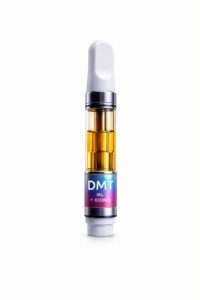
Some individuals encounter DMT in various forms, including plant-based preparations, crystalline forms, and vaporized products.
When inhaled, DMT acts quickly. Users often experience rapid visual changes, altered awareness, and strong emotional responses within seconds. The experience usually lasts a short time compared to many other psychedelic substances.
Because of its intensity, DMT remains one of the most powerful psychedelics known today.
Can DMT Cause a Fatal Overdose?
When discussing overdose risk, it is important to distinguish between a toxic overdose and dangerous outcomes caused by impaired judgment.
Current scientific evidence suggests that DMT has a relatively low risk of causing a fatal toxic overdose when compared with substances such as opioids, alcohol, or stimulants. Researchers have not documented large numbers of deaths directly attributed to DMT toxicity alone.
However, low toxicity does not mean complete safety.
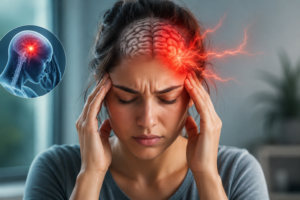
A person may experience severe psychological distress, panic, confusion, or risky behavior while under the influence. These reactions can create dangerous situations that lead to injury or other medical emergencies.
Can You Overdose on DMT in Practical Terms?
The answer to can you overdose on DMT depends on how the term “overdose” is defined.
Many people use the word overdose to describe any situation in which a person consumes more of a substance than their body can comfortably handle. Under this definition, an individual may experience overwhelming psychological effects after taking a large amount.
Possible symptoms may include:
- Extreme anxiety
- Panic reactions
- Confusion
- Intense fear
- Disorientation
- Elevated heart rate
- Increased blood pressure
- Difficulty communicating
These effects can feel frightening and may require immediate support.
Factors That Increase Risk
Several factors can increase the likelihood of adverse reactions.
High Doses
Larger amounts often produce stronger psychological effects. As intensity increases, the risk of panic and confusion may also increase.
Mixing Substances
Combining psychedelics with alcohol, stimulants, prescription medications, or other substances may increase health risks.
Drug interactions can create unpredictable effects and should never be ignored.
Mental Health Conditions
People with certain psychiatric conditions may face a higher risk of adverse psychological reactions.
Strong psychedelic experiences can sometimes worsen underlying mental health challenges.
Unsafe Environments
The environment plays a significant role in psychedelic experiences. Dangerous surroundings can increase the risk of accidents or injuries.
Physical Effects of DMT
DMT affects both the mind and body.
Common physical effects include:
- Increased heart rate
- Elevated blood pressure
- Dilated pupils
- Dizziness
- Nausea
- Changes in body temperature perception
Most of these effects resolve after the experience ends. However, individuals with cardiovascular concerns should exercise caution and seek professional medical guidance regarding any substance that may affect heart function.
Psychological Effects
The psychological effects often receive the most attention.
People frequently report:
- Vivid visual imagery
- Altered perception of time
- Changes in sensory awareness
- Emotional shifts
- Feelings of connectedness
- Spiritual or mystical experiences
Not every experience feels positive. Some individuals report fear, anxiety, paranoia, or emotional discomfort.
Warning Signs That Require Medical Attention
Although severe toxic overdose appears uncommon, some situations require immediate medical care.
Seek emergency assistance if someone experiences:
- Chest pain
- Difficulty breathing
- Loss of consciousness
- Seizures
- Severe agitation
- Dangerous behavior
- Signs of self-harm
- Extreme confusion that does not improve
Prompt medical attention can help prevent complications.
Can You Overdose on DMT When Combined With Other Drugs?
Mixing substances creates additional concerns.
Some combinations may increase cardiovascular stress or psychological instability. Certain medications may also interact with psychedelic compounds in unpredictable ways.
Because individual responses vary, combining substances can significantly increase risk.
For this reason, healthcare professionals often emphasize caution regarding polydrug use.
What Research Says
Scientists continue to study psychedelics to better understand their effects on the brain.
Researchers are exploring how these compounds influence perception, emotional processing, and consciousness. Some studies also examine potential therapeutic applications in controlled clinical settings.
Despite growing interest, researchers continue to emphasize the need for additional evidence regarding long-term safety, effectiveness, and appropriate medical use.
Frequently Asked Questions
Can you overdose on DMT from a single use?
Severe toxic overdose appears uncommon based on current evidence. However, a single experience can still produce intense psychological effects and dangerous behavior.
Is DMT safer than opioids?
The overdose profile differs significantly from opioids. However, every substance carries risks, and safety depends on many factors.
Can DMT affect heart rate?
Yes. DMT may temporarily increase heart rate and blood pressure.
Should people with mental health concerns use psychedelics without supervision?
Mental health concerns should always be discussed with qualified healthcare professionals before considering any psychoactive substance.
Conclusion
Understanding can you overdose on DMT requires looking beyond simple yes-or-no answers. Current evidence suggests that fatal toxic overdose is uncommon, but the substance can still create serious psychological and physical risks. High doses, underlying health conditions, substance combinations, and unsafe environments can all increase the likelihood of harm. Education, awareness, and professional medical guidance remain essential when discussing psychedelic substances.
Speak With a Mental Health Specialist
If you are exploring mental health treatment options or would like to learn more about ketamine-assisted therapy, our team is available to help.
Call or WhatsApp: +1 (531) 400-1813
Our customer care team can answer general questions and help connect you with educational resources. If appropriate, we can also help you learn more about speaking with a ketamine therapy professional regarding your mental health goals.
For additional information about services and resources, visit Ketacynpharma.com.