How long does DMT last? Many people researching psychedelics want to understand the timeline of this powerful substance. DMT, or dimethyltryptamine, produces intense changes in perception, awareness, and sensory processing. Unlike many other psychedelics, the experience often begins rapidly and ends within a relatively short period.
Although the duration may seem brief, many individuals describe the experience as deeply immersive. Understanding the timeline, effects, and factors that influence the experience can provide valuable educational insight.
What Is DMT?
DMT is a naturally occurring psychedelic compound found in several plant species and in trace amounts within the natural world. Researchers have studied this substance for decades because of its unique impact on consciousness and perception.
When inhaled, the compound reaches the brain very quickly. As a result, users often report immediate visual changes, altered awareness, and shifts in emotional perception. Scientists continue to explore how this substance interacts with serotonin receptors and other neurological pathways.
Typical Timeline of a DMT Experience
The duration depends largely on the method of use.
Inhaled or Vaporized Forms
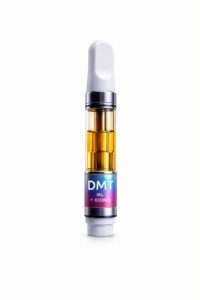
Inhaled forms generally produce the shortest psychedelic experience.
Typical timeline:
- Initial effects: 10–60 seconds
- Peak intensity: 2–10 minutes
- Main experience: 15–30 minutes
- Mild aftereffects: Up to one hour
Because of the rapid onset, many users report reaching peak intensity within minutes.
Oral Preparations
Some traditional preparations contain compounds that allow the psychedelic ingredient to remain active after oral consumption.
Typical timeline:
- Initial effects: 30–60 minutes
- Peak experience: 1–3 hours
- Overall duration: 4–8 hours
- Residual effects: Several additional hours
These preparations generally create a much longer experience than inhaled forms.
How Long Does DMT Last When Different Factors Are Considered?
Several variables can influence the length and intensity of the experience.
Dosage
Higher amounts often increase both intensity and duration. However, individual responses can vary significantly.
Metabolism
Each person’s body processes substances differently. Age, body composition, hydration, and overall health can influence how quickly the body breaks down psychoactive compounds.
Method of Administration
The method of consumption remains one of the most important factors. Inhaled forms usually produce a brief experience, while oral preparations can extend the timeline considerably.
Individual Brain Chemistry
Neurochemistry differs from one person to another. Therefore, two people may experience different effects even when using similar amounts.
Why Time Perception Changes
One of the most interesting aspects of psychedelic experiences involves altered time perception.
Many individuals report feeling as though hours have passed despite only minutes elapsing in real time. Researchers believe changes in sensory integration and brain activity contribute to this phenomenon.
As a result, a short experience may feel significantly longer from the user’s perspective.
Common Psychological Effects
People report a wide range of mental and emotional experiences.
These may include:
- Intense visual imagery
- Altered perception of space
- Changes in self-awareness
- Enhanced colors and patterns
- Emotional shifts
- Feelings of interconnectedness
- Spiritual or reflective experiences
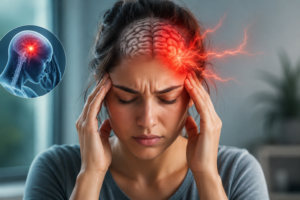
Not every experience feels pleasant. Some individuals report anxiety, confusion, or emotional discomfort during the experience.
Physical Effects
The body may also respond in several ways.
Common physical effects include:
- Increased heart rate
- Elevated blood pressure
- Dilated pupils
- Changes in body temperature perception
- Dizziness
- Nausea in certain situations
The severity of these effects varies among individuals.
Potential Risks
Anyone researching psychedelic substances should understand the associated risks.
Anxiety and Distress
The intensity of the experience may overwhelm some individuals, especially in unfamiliar environments.
Cardiovascular Effects
Temporary increases in heart rate and blood pressure may present concerns for individuals with certain medical conditions.
Mental Health Considerations
People with specific psychiatric conditions may face a higher risk of adverse psychological reactions.
Impaired Judgment
Perceptual changes can affect decision-making and awareness of surroundings.
Understanding these risks remains an important part of responsible education.
Does DMT Remain in the Body After the Experience Ends?
The noticeable effects may disappear quickly, but the body can continue processing the substance after the experience concludes.
Detection times vary depending on:
- Testing methods
- Frequency of use
- Metabolism
- Overall health
Many standard drug tests do not routinely screen for this compound, although specialized testing may detect it under certain circumstances.
Ongoing Research
Scientists continue to study psychedelic compounds to better understand their effects on the brain and consciousness.
Researchers are exploring how these substances influence neural networks, perception, and emotional processing. While interest in psychedelic research continues to grow, experts still require additional evidence regarding long-term safety and therapeutic applications.
Individuals seeking treatment for mental health concerns should consult qualified healthcare professionals rather than relying on self-directed experimentation.
Frequently Asked Questions
Is the experience shorter than other psychedelics?
Yes. Inhaled forms generally produce a much shorter experience than substances such as LSD or psilocybin.
Why does it feel longer than it actually is?
Changes in time perception can make a brief experience seem much longer.
Does everyone experience the same effects?
No. Individual biology, environment, mindset, and dosage can all influence the experience.
Can the duration vary?
Yes. Several factors, including metabolism and method of administration, may affect the overall timeline.
Conclusion
Understanding how long does DMT last involves more than measuring minutes on a clock. The duration depends on the method of use, dosage, individual physiology, and psychological factors. While inhaled forms often produce a brief experience, the intensity can make the event feel much longer. Continued scientific research will help improve our understanding of psychedelic substances and their effects on the human brain.
Contact Customer Care and Support
If you would like information about mental health resources, wellness education, or ketamine-assisted therapy services, our support team is available to help.
WhatsApp or Call: +1 (531) 400-1813
Message us on WhatsApp to speak with customer care and support. We can answer questions about available services and help connect you with appropriate resources. You may also visit Ketacynpharma.com to learn more about the company and its offerings.