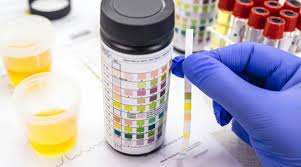
Ketamine has become a widely discussed substance in both medical and drug testing contexts. Whether you are preparing for an employment screening, legal testing requirement, medical examination, or simply seeking reliable information, one common question arises: Does ketamine show up on a 12 panel drug test?
Understanding how ketamine is detected, what substances are included in standard drug screenings, and when specialized testing may be required can help individuals make informed decisions and avoid confusion.
What Is Ketamine?
Ketamine is a prescription medication originally developed as an anesthetic. Today, it is used in various medical settings for anesthesia, pain management, and certain mental health treatments under professional supervision.
Because ketamine affects perception, mood, and consciousness, it is classified as a controlled substance in many jurisdictions. This has led to increased interest in ketamine drug testing among employers, healthcare providers, and legal authorities.
What Is a 12 Panel Drug Test?
A 12 panel drug test is a commonly used screening method designed to detect a range of frequently abused substances. While the exact panel can vary by testing provider, standard 12 panel drug tests typically screen for substances such as:
- Amphetamines
- Methamphetamine
- Cocaine
- Marijuana (THC)
- Opiates
- PCP
- Benzodiazepines
- Barbiturates
- Methadone
- Propoxyphene
- Oxycodone
- MDMA (Ecstasy)
The purpose of these tests is to identify commonly misused drugs in workplace, legal, athletic, and healthcare settings.
Does Ketamine Show Up on a Standard 12 Panel Drug Test?
In most cases, ketamine is not included in a standard 12 panel drug test. Traditional 12 panel screenings are designed to detect a specific list of substances, and ketamine is generally not one of them.
This means that if a testing facility uses a standard 12 panel screening without additional testing options, ketamine may not be specifically screened for or reported.
However, it is important to understand that testing programs vary. Some employers, treatment centers, military organizations, and legal authorities may request expanded drug panels that specifically include ketamine testing.
When Can Ketamine Be Detected?
Ketamine can be identified when a laboratory performs a specialized drug test targeting the substance. These tests may involve:
Urine Testing
Urine testing is one of the most common methods used to detect ketamine. Specialized laboratory analysis can identify ketamine and its metabolites within a certain detection window.
Blood Testing
Blood tests can detect recent ketamine use and are often utilized when determining current impairment or recent exposure.
Hair Follicle Testing
Hair testing offers a significantly longer detection period compared to urine or blood testing. Specialized hair analysis can reveal historical ketamine use over an extended timeframe.
Saliva Testing
Although less common, saliva testing may also be used in specific circumstances to identify recent ketamine exposure.
Factors That Influence Ketamine Detection
Several factors can affect how long ketamine remains detectable in the body, including:
- Frequency of use
- Dosage amount
- Individual metabolism
- Age and body composition
- Hydration levels
- Overall health condition
- Type of drug test administered
Because these variables differ from person to person, detection times can vary considerably.
Why Understanding Ketamine Drug Testing Matters
Knowledge about ketamine testing is important for individuals undergoing workplace drug screening, court-ordered testing, professional licensing reviews, medical treatment programs, or compliance monitoring.
Many people mistakenly assume that all drug tests screen for every substance. In reality, drug panels are customized based on specific testing goals, industry standards, and organizational requirements.
Key Takeaway
If you are asking, “Does ketamine show up on a 12 panel drug test?”, the answer is generally no for most standard 12 panel screenings. However, ketamine can be detected through specialized laboratory testing or expanded drug panels specifically designed to include it. The exact substances screened depend on the testing program, laboratory procedures, and the organization requesting the test.