If you’re considering esketamine treatment for treatment-resistant depression (TRD) or another approved use, one of the first questions you may have is: “Is esketamine covered by Medicaid?” The answer is it depends on your state’s Medicaid program and your individual eligibility. While many state Medicaid programs provide coverage for FDA-approved esketamine treatment under certain conditions, coverage requirements, prior authorization policies, and patient costs can vary.
In this guide, we’ll explain how Medicaid coverage for esketamine works, who may qualify, and the steps you can take to understand your benefits.
What Is Esketamine?
Esketamine is a prescription medication approved by the U.S. Food and Drug Administration (FDA) for specific patients with treatment-resistant depression (TRD) and, in certain cases, major depressive disorder (MDD) with acute suicidal thoughts or actions. Unlike traditional antidepressants, esketamine works on the brain’s glutamate system by targeting NMDA receptors, offering a different approach to treating depression.
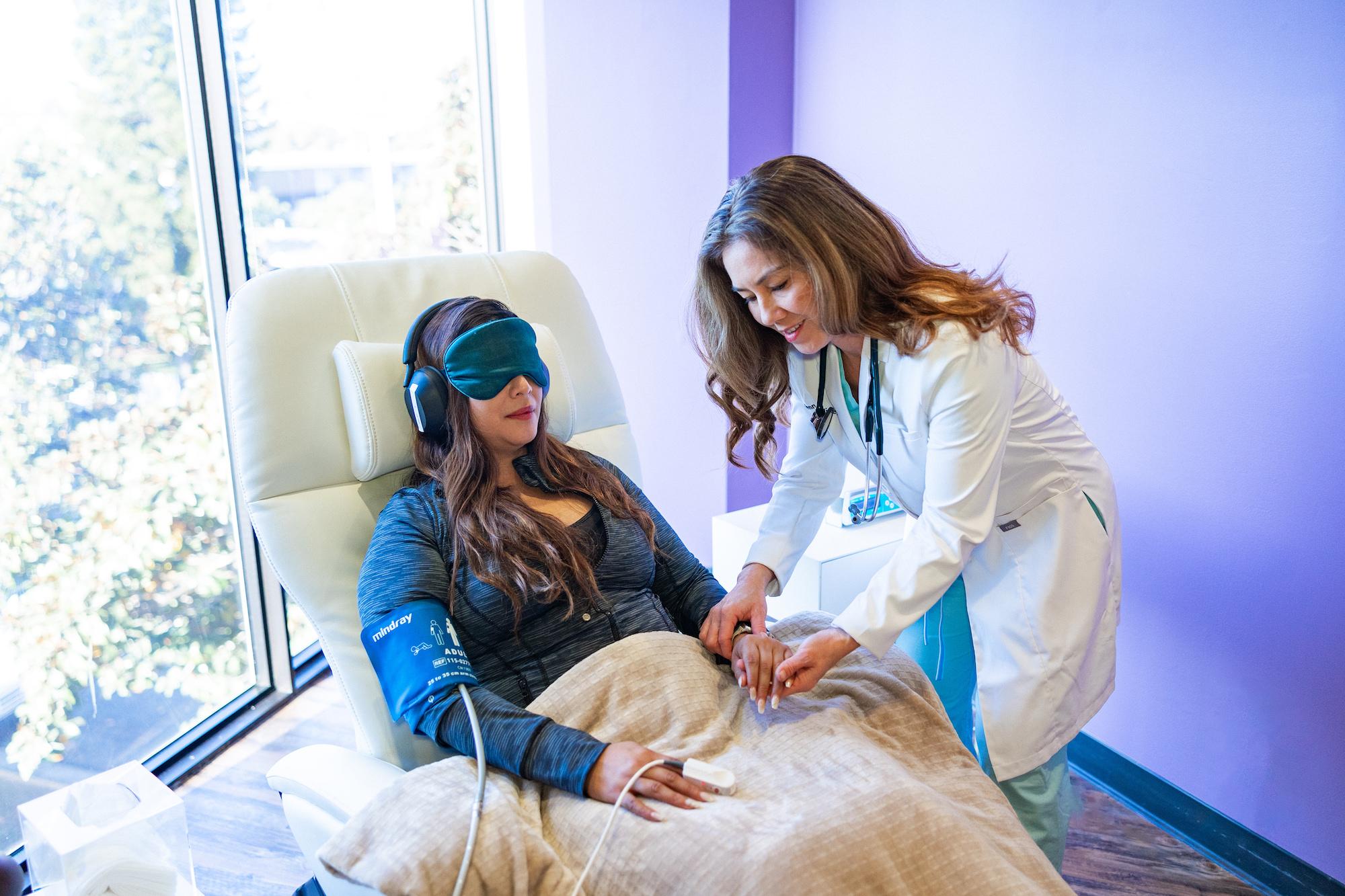
Because of potential risks such as sedation, dissociation, and temporary increases in blood pressure, esketamine is administered only in certified healthcare settings under medical supervision.
Does Medicaid Cover Esketamine?
Many Medicaid programs cover esketamine when it is prescribed for an FDA-approved indication and meets the state’s medical necessity requirements. However, Medicaid is jointly funded by the federal government and individual states, meaning coverage rules differ from one state to another.
Your state’s Medicaid program may require:
- A confirmed diagnosis that matches an approved indication
- Documentation showing previous treatments have not been effective, when applicable
- Prior authorization before treatment begins
- Administration at an approved treatment facility
- Ongoing clinical monitoring throughout treatment
Meeting these requirements does not automatically guarantee coverage, but they are commonly considered during the approval process.
Who May Be Eligible?
Eligibility for Medicaid coverage of esketamine generally depends on both medical necessity and state-specific Medicaid policies.
A healthcare provider may evaluate factors such as:
- Your diagnosis
- Previous treatment history
- Current symptoms
- Overall medical condition
- Whether esketamine is considered appropriate under current clinical guidelines
Your provider can also help determine whether prior authorization or additional documentation is required.
What Costs Might Be Covered?
If Medicaid approves treatment, coverage may include some or all of the following, depending on your plan:
- The prescribed medication
- Administration in a certified healthcare facility
- Clinical monitoring during and after treatment
- Follow-up appointments related to treatment
Some Medicaid beneficiaries may still have limited out-of-pocket costs depending on their state’s program, while others may have little or no cost-sharing.
How to Verify Your Coverage
Before starting treatment, it’s important to confirm your specific benefits.
You can:
- Contact your state’s Medicaid office.
- Review your Medicaid member handbook.
- Speak with your healthcare provider or treatment center.
- Ask whether prior authorization is required.
- Confirm whether the treatment facility accepts your Medicaid plan.
Taking these steps can help you better understand your coverage and avoid unexpected expenses.
Why Medical Supervision Is Essential
Esketamine treatment requires careful medical oversight. Patients are monitored after each treatment session because temporary side effects may occur, including dizziness, drowsiness, dissociation, and elevated blood pressure.
For this reason, esketamine is not dispensed for home use and should only be administered according to approved safety requirements and healthcare provider instructions
Final Thoughts
For many patients, Medicaid may help cover esketamine treatment, but eligibility depends on your state’s Medicaid program, your diagnosis, and whether treatment meets medical necessity criteria. Coverage policies, authorization requirements, and approved treatment facilities can vary, making it important to verify your individual benefits before beginning therapy.
If you’re interested in learning more about esketamine treatment, schedule a consultation with a qualified healthcare provider. They can assess your condition, explain available treatment options, discuss potential benefits and risks, and help you understand whether your Medicaid plan may provide coverage.