Ketamine street names are informal terms people use when referring to ketamine outside of medical settings. These slang terms often appear in conversations, online discussions, and social environments where people avoid using the official name of the substance.
Ketamine is a prescription medication with important medical uses. Healthcare professionals use ketamine for anesthesia, pain management, and certain supervised treatment programs. However, people may also misuse ketamine outside medical care, which can create serious health risks. Understanding ketamine slang terms can help families, educators, and healthcare professionals recognize discussions about ketamine and encourage safer decisions.
What Is Ketamine?
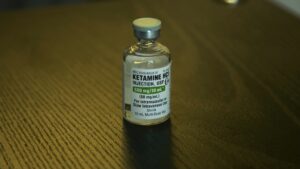
Ketamine is a dissociative anesthetic medication that doctors have used for many years. In hospitals and clinics, healthcare providers use ketamine during medical procedures, emergency care, and specific treatment programs.
In addition, researchers have studied ketamine for certain mental health conditions, including treatment-resistant depression. When doctors use ketamine therapy, they carefully evaluate patients, monitor treatment sessions, and follow medical safety guidelines.
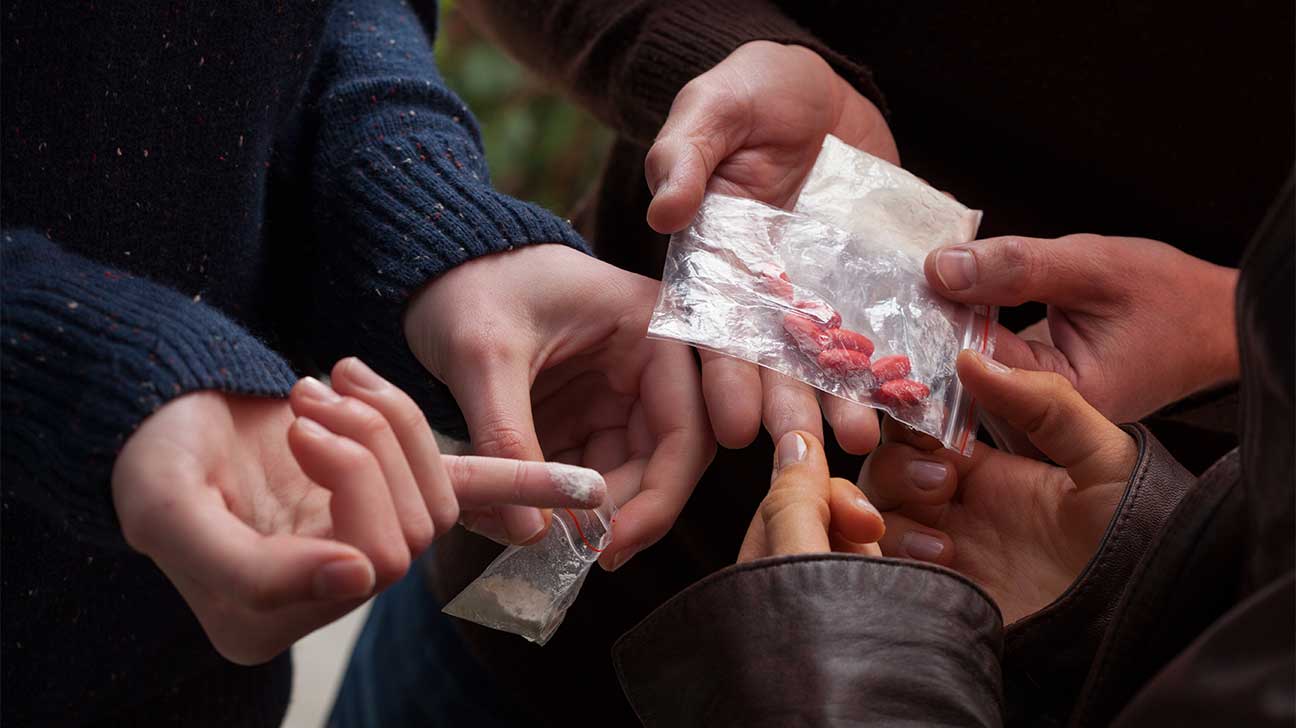
However, ketamine used outside professional healthcare settings carries different risks. Products from unknown sources may not have reliable quality, strength, or safety information.
Common Ketamine Street Names
People use different slang terms when they talk about ketamine. These names can change depending on location, culture, and social groups. Some common ketamine street names include:
- Special K
- K
- Vitamin K
- Kit Kat
- Cat Valium
- Super K
- Super Acid
- Ket
- Keta
- Jet
- Green
- Honey Oil
These terms may have different meanings in different places. Therefore, context is important when trying to understand a conversation involving ketamine slang.
Why Do People Use Ketamine Street Names?
People often create street names for substances to make conversations shorter or less direct. For example, someone may use slang instead of saying the full name of a substance during a conversation or online message.
Although these terms can make communication harder to understand, learning common ketamine street names can improve awareness. Parents, teachers, and healthcare workers may recognize these words and start important conversations about substance safety.
Medical Uses of Ketamine
Although ketamine is sometimes linked with misuse, it remains a valuable medication when healthcare professionals use it correctly.
Medical providers may use ketamine for:
- Anesthesia during medical procedures
- Emergency medicine
- Pain management
- Certain mental health treatments
- Supervised ketamine therapy programs
Furthermore, medical ketamine follows strict quality standards. Healthcare providers use professional guidelines to determine the correct approach for each patient.
Risks of Ketamine Misuse
Using ketamine without medical supervision can increase the chance of harmful effects. For example, misuse may cause:
- Confusion and disorientation
- Poor coordination and balance problems
- Impaired judgment
- Changes in perception
- Memory problems
- Increased accident risk
- Psychological dependence
- Bladder and urinary problems after repeated misuse
In addition, ketamine from unknown sources may contain unexpected substances or have inconsistent strength. As a result, people may face additional health risks.
Signs of Possible Ketamine Misuse
Recognizing possible warning signs can help families and communities provide support. Some signs may include:
- Sudden changes in behavior
- Confusion or unusual reactions
- Difficulty walking normally
- Withdrawal from friends or activities
- Problems at work or school
- Secretive behavior involving substances
These signs do not always mean someone is misusing ketamine. However, they may show that a person needs support or professional advice.
Ketamine Therapy vs. Recreational Ketamine Use
Medical ketamine therapy and recreational ketamine use are very different.
Supervised ketamine treatment involves:
- Professional medical evaluation
- Pharmaceutical-grade medication
- Controlled treatment sessions
- Monitoring by qualified healthcare providers
- Follow-up care when needed
On the other hand, recreational use does not include these safety measures. Therefore, it may expose individuals to unnecessary health risks.
Anyone interested in ketamine treatment should speak with qualified healthcare professionals instead of using ketamine from unreliable sources.
Frequently Asked Questions About Ketamine Street Names
What is the most common ketamine street name?
The most widely recognized ketamine street name is Special K. Other terms, including K, Vitamin K, and Ket, may also appear in some communities.
Why should people know ketamine street names?
Knowing ketamine slang terms can help parents, educators, and healthcare professionals understand conversations about ketamine. As a result, they can provide better education and support when needed.
Is street ketamine the same as medical ketamine?
No. Medical ketamine comes from regulated pharmaceutical sources and healthcare professionals use it under controlled conditions. In contrast, ketamine from unknown sources may have uncertain quality and safety risks.
Is ketamine legal?
Ketamine is a prescription medication in many countries. However, regulations vary depending on location, and people should follow local medical laws and healthcare guidance.
Find Professional Ketamine Therapy Information
If you are researching ketamine treatment options, choosing a reliable source of information is important. Ketacynpharma.com provides information about ketamine therapy, pharmaceutical-grade ketamine products used in medical settings, and available treatment options.
The clinic helps individuals understand supervised ketamine care and the importance of working with qualified professionals. In addition, patients can receive guidance about treatment options, consultations, and general ketamine therapy information.
For more information about ketamine therapy options and pharmaceutical-grade ketamine products, contact Ketacynpharma through WhatsApp at +1 (531) 400-1813. A specialist can provide guidance about available services and help answer questions about supervised ketamine treatment.
Final Thoughts
Understanding ketamine street names can improve awareness about how people discuss ketamine outside medical environments. While ketamine has important medical applications, misuse without professional supervision may create serious health concerns.
Therefore, learning about ketamine slang, medical uses, and potential risks helps people make informed decisions and seek appropriate professional support when considering ketamine therapy.