Hoe lang blijft ketamine in uw systeem? is een van de meest voorkomende vragen die mensen stellen bij het leren over ketamine behandeling, drugs testen, en herstel tijdlijnen. Het antwoord hangt af van verschillende factoren, waaronder dosering, frequentie van gebruik, metabolisme, leeftijd, lichaamssamenstelling en algehele gezondheid. Terwijl ketamine de bloedbaan relatief snel verlaat, kunnen sporen in verschillende delen van het lichaam veel langer waarneembaar blijven.
Begrijpen hoe het lichaam ketamine verwerkt kan patiënten, zorgverleners en zorgverleners helpen geïnformeerde beslissingen te nemen. Deze gids legt ketamine metabolisme, detectievensters, en de factoren die van invloed zijn hoe lang het blijft in het lichaam.
Wat is Ketamine?
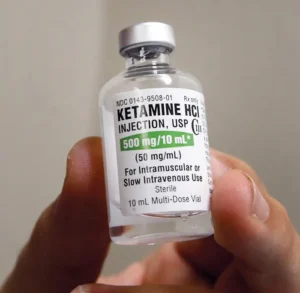
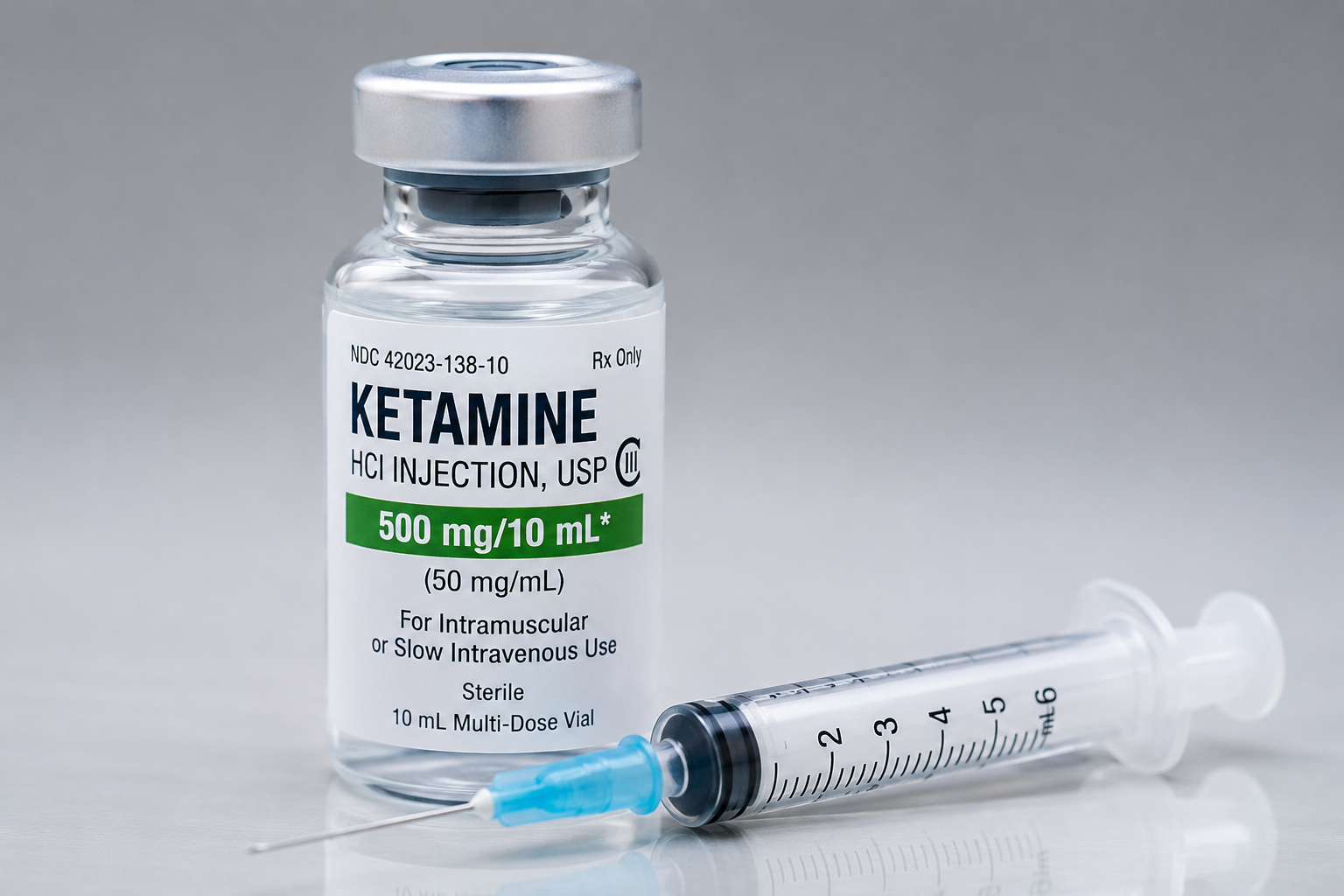
Ketamine is een geneesmiddel dat professionele zorgverleners gebruiken voor anesthesie, pijnbestrijding en bepaalde geestelijke gezondheid behandelingen. Medische aanbieders kunnen ketaminetherapie voorschrijven voor aandoeningen zoals behandelingsresistente depressie, angststoornissen en chronische pijn.
Na toediening begint het lichaam ketamine via de lever af te breken. De lever zet het geneesmiddel om in metabolieten, die uiteindelijk het lichaam verlaten via urine.
Hoewel de primaire effecten van ketamine binnen enkele uren uitgewerkt zijn, blijft het lichaam de metabolieten langer verwerken en elimineren.
Hoe het lichaam ketamine verwerkt
Wanneer ketamine het lichaam binnenkomt, reist het snel door de bloedbaan en bereikt het de hersenen. Gebruikers merken vaak het effect binnen enkele minuten, afhankelijk van de wijze van toediening.
De lever metaboliseert ketamine in verschillende verbindingen, waaronder norketamine. Deze metabolieten blijven in het lichaam na het verdwijnen van de directe effecten.
Het eliminatieproces vindt plaats in verschillende fasen:
- Absorptie in de bloedbaan
- Verdeling over het lichaam
- Metabolisme in de lever
- Uitscheiding door urine
Elke fase beïnvloedt de hoeveelheid tijd die ketamine kan bevatten.
Ketamine Half-Life uitgelegd
De halfwaardetijd van ketamine verwijst naar de tijd die nodig is voor de helft van het geneesmiddel om de bloedbaan te verlaten.
Uit onderzoek blijkt dat ketamine een gemiddelde halfwaardetijd heeft van ongeveer 2,5 tot 3 uur. Dit betekent dat de concentratie binnen de eerste paar uur na gebruik aanzienlijk afneemt.
Volledige eliminatie vereist echter meerdere halfwaardetijdscycli. In de meeste gevallen verwijdert het lichaam de meerderheid van ketamine binnen 12 tot 24 uur. Kleine sporen en metabolieten kunnen langer blijven.
Detectietijden per soort geneesmiddeltest
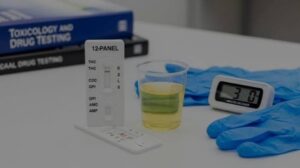
Verschillende drugstesten identificeren ketamine voor verschillende tijd. Detectievensters variëren op basis van gevoeligheid en individuele biologische factoren.
Urinetests
Urinetesten zijn de meest voorkomende methode voor het detecteren van ketaminegebruik.
In veel gevallen blijft ketamine in urine detecteerbaar voor:
- Tot 3 dagen na incidenteel gebruik
- Tot 7 dagen na zwaarder gebruik
- Langer bij sommige chronische gebruikers
Aangezien de nieren ketamine metabolieten via de urine verwijderen, biedt deze testmethode vaak het langste routine detectievenster.
Bloedtesten
Bloedonderzoek wijst uit dat ketamine recent is gebruikt.
Typische detectieperioden omvatten:
- Tot 24 uur na gebruik
- Soms tot 48 uur bij sommige individuen
Bloedtesten dienen vaak klinische en forensische doeleinden wanneer recente consumptie bevestiging vereist.
Salivatests
Saliva testen biedt een kortere detectieperiode.
De meeste speekseltesten kunnen ketamine detecteren voor:
- 24 tot 72 uur na gebruik
Hydratatie, mondhygiëne en dosering kunnen de resultaten beïnvloeden.
Haartesten
Haar testen biedt de langste detectie venster.
Ketaminemetabolieten kunnen in het haar detecteerbaar blijven voor:
- Tot 90 dagen
- Soms zelfs langer afhankelijk van haarlengte
Haaranalyse wijst niet typisch op recent gebruik, maar kan historische blootstelling onthullen.
Factoren die de detectietijd beïnvloeden
Verschillende variabelen beïnvloeden hoe snel het lichaam ketamine elimineert.
Dosering
Hogere doses vereisen meer tijd voor het lichaam om te verwerken en te verwijderen.
A larger amount of ketamine creates more metabolites, which can extend detection periods.
Frequency of Use
People who use ketamine regularly may retain detectable levels longer than occasional users.
Repeated exposure allows metabolites to accumulate, increasing elimination time.
Metabolisme
Individuals with faster metabolisms often process substances more efficiently.
Factors affecting metabolism include:
- Leeftijd
- Genetics
- Physical activity level
- Hormonal balance
Samenstelling van het lichaam
Body weight and body fat percentage can affect how substances distribute throughout the body.
While ketamine does not accumulate in fat as extensively as some other drugs, body composition still plays a role in elimination speed.
Liver Function
The liver performs most of the metabolic work involved in processing ketamine.
People with impaired liver function may eliminate ketamine more slowly than those with healthy liver function.
Hydratatieniveaus
Proper hydration supports kidney function and waste removal.
Although drinking water does not instantly eliminate ketamine, healthy hydration may assist normal metabolic processes.
How Long Do Ketamine Effects Last?
Many people confuse the duration of effects with the detection period.
The psychoactive and therapeutic effects often last much less time than the drug remains detectable.
Typical timelines include:
- Initial effects: 5 to 15 minutes after administration
- Peak effects: 30 minutes to 1 hour
- Noticeable effects: 1 to 2 hours
- Residual effects: up to 24 hours in some cases
Even after the effects disappear, metabolites may still appear on drug tests.
Can You Speed Up Ketamine Elimination?
No scientifically proven method can instantly remove ketamine from the body.
The body requires time to metabolize and excrete the drug naturally.
However, healthy habits can support normal elimination processes:
- Drink adequate water
- Maintain a balanced diet
- Exercise regularly
- Get sufficient sleep
- Support overall liver health
Products that claim to rapidly cleanse ketamine from the body often lack reliable scientific evidence.
Medical Ketamine vs. Recreational Ketamine
Detection windows remain generally similar regardless of whether ketamine comes from a medical or non-medical source.
The main differences involve:
- Dosage levels
- Gebruiksfrequentie
- Toedieningsweg
- Individual treatment plans
Patients receiving physician-supervised ketamine therapy should always follow medical guidance regarding treatment schedules and testing concerns.
Common Questions About Ketamine Detection
Can ketamine show up on a standard drug test?
Many standard employment drug panels do not routinely screen for ketamine. However, specialized testing can identify ketamine and its metabolites.
Does ketamine stay longer in chronic users?
Yes. Frequent or long-term use may increase the time required for complete elimination.
Can secondhand exposure cause a positive test?
Normal environmental exposure rarely produces detectable levels that would trigger a positive result.
Is ketamine detectable after one use?
Yes. Even a single use can appear on sensitive urine, blood, saliva, or hair tests within the appropriate detection window.
Laatste gedachten
Begrip hoe lang blijft ketamine in uw systeem? helps clarify the difference between active effects and detection periods. While the body eliminates most ketamine within about a day, testing methods can detect metabolites for several days or even months. Factors such as dosage, frequency of use, metabolism, and overall health all influence the timeline.
Anyone receiving ketamine treatment should discuss concerns about drug testing, recovery periods, and medication interactions with a qualified healthcare provider. Accurate information supports safer decisions and better treatment outcomes.
Contacteer Ketacyn Pharma
Looking for trusted information and quality pharmaceutical products? Explore the Ketacyn Pharma product campaign and discover a wide range of Ketacyn Pharma solutions designed to meet professional healthcare and research needs.
For product inquiries, support, and orders:
Connect today to learn more about available Ketacyn Pharma products, product information, and customer support services. Our team is ready to assist with your questions and provide guidance on the products that best fit your requirements.