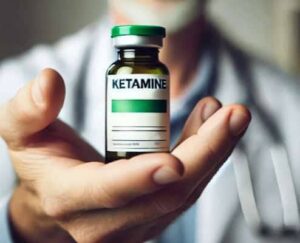
Ketaminepoeder continues to attract attention because of its established medical history and growing scientific interest. Healthcare professionals have used ketamine for decades in anesthesia, pain management, and emergency medicine. Researchers have also studied its potential applications in mental health care and neuroscience.
However, ketamine remains a powerful prescription medication that requires responsible handling and appropriate professional oversight. Understanding its pharmaceutical properties, purity standards, medical applications, and potential risks can help readers make informed decisions and avoid unsafe or unregulated sources.
This guide explains what ketamine powder is, how pharmaceutical purity matters, where researchers and healthcare professionals use ketamine, and why lawful medical guidance remains essential.
What Is Ketamine Powder?
Ketamine powder refers to ketamine in a powdered form. In pharmaceutical and scientific settings, the substance must meet strict quality, identity, strength, and purity requirements.
The appearance of a powder alone cannot confirm its identity or quality. Laboratory testing remains essential for determining whether a substance contains the expected compound and whether it meets appropriate pharmaceutical or research standards.
For this reason, people should avoid relying on appearance, online claims, or informal testing when evaluating any regulated medication. Legitimate pharmaceutical products require proper quality control, documentation, and compliance with applicable laws.
Why Does Ketamine Purity Matter?
Purity plays an important role in pharmaceutical safety. A product that contains unknown contaminants, inaccurate concentrations, or unexpected substances can create serious health risks.
Quality-controlled pharmaceutical products typically undergo testing and manufacturing procedures designed to verify:
- Identity
- Sterkte
- Purity
- Stability
- Contaminant levels
- Manufacturing consistency
These quality standards help healthcare professionals understand what a product contains and how it should be handled in an appropriate clinical setting.
Consumers should therefore be cautious about products marketed with unsupported claims such as “100% pure” or “laboratory grade” without reliable documentation or verifiable quality standards.
How Does Ketamine Work?
Ketamine primarily affects the central nervous system and interacts with glutamate pathways in the brain. One of its best-known actions involves NMDA receptors, which influence pain processing, learning, memory, and neural communication.
This mechanism helps explain ketamine’s anesthetic and analgesic effects. Researchers also continue to study how ketamine may influence neuroplasticity and other processes related to mood and brain function.
Because ketamine affects the brain and nervous system, the medication can produce significant effects. Healthcare professionals must consider the patient’s medical history, treatment goals, potential interactions, and safety factors before use.
Medical Uses of Ketamine
Healthcare professionals have used ketamine for several established medical purposes.
Anesthesie
Ketamine has a long history as an anesthetic. Medical teams may use it during selected procedures to provide sedation and pain relief.
Pijnbestrijding
Doctors and pain specialists may consider ketamine for certain complex pain conditions. Its effects on pain pathways can make it a valuable option in carefully selected clinical situations.
Emergency Medicine
Healthcare professionals may use ketamine in emergency settings for specific purposes, including procedural sedation and acute pain management.
Mental Health Research
Researchers continue to study ketamine’s potential role in treatment-resistant depression and other mental health conditions. Treatment decisions require careful medical assessment and professional monitoring.
Pharmaceutical-Grade Ketamine and Quality Control
The term “pharmaceutical-grade” should refer to products manufactured and tested according to recognized quality standards. However, consumers should always verify the source, documentation, regulatory status, and intended use of any pharmaceutical product.
A trustworthy provider should communicate clearly about:
- Product identity
- Manufacturing standards
- Quality testing
- Legal requirements
- Appropriate professional use
- Storage and handling requirements
Quality assurance helps support patient safety and reliable medical outcomes.
Ketamine Powder Safety
Ketamine can cause side effects, even when used in a medical setting. Possible effects may include dizziness, nausea, drowsiness, changes in perception, temporary confusion, and changes in blood pressure or heart rate.
The risks can vary depending on the individual, the medical purpose, the dose, the method of administration, and other medications or substances involved.
For this reason, people should not self-administer ketamine powder or use unknown products based solely on online instructions. A qualified healthcare professional should determine whether ketamine is appropriate and provide appropriate guidance.
Legal and Regulatory Considerations
Ketamine is regulated in many countries. Laws may control its manufacture, distribution, possession, prescribing, and administration.
The legal status of ketamine varies by jurisdiction. Therefore, anyone seeking information about ketamine should understand the laws that apply in their location.
Purchasing or possessing ketamine outside authorized medical or pharmaceutical channels may create legal and safety risks. Legitimate access should follow applicable regulations and involve qualified professionals where required.
Ketamine Powder: Avoiding Unverified Sources
Online marketplaces and informal sellers may make claims about high purity or pharmaceutical quality. However, marketing claims do not guarantee authenticity, accurate concentration, or safety.
Unverified products may contain:
- Incorrect substances
- Unexpected contaminants
- Inaccurate concentrations
- Degraded ingredients
- Potentially dangerous adulterants
Consumers should prioritize verifiable quality standards and lawful medical access rather than relying on anonymous sellers or unsupported claims.
Veelgestelde vragen
What is ketamine powder used for?
Ketamine has established medical uses in areas such as anesthesia, pain management, and emergency medicine. Researchers also continue to study its potential role in mental health care.
Is high-purity ketamine powder safe?
Purity alone does not determine whether ketamine is safe for a particular person. Medical suitability depends on factors such as health history, interactions, dose, method of administration, and professional monitoring.
Can I order ketamine powder online?
The legality of purchasing or possessing ketamine depends on local laws and regulations. Because ketamine is regulated in many jurisdictions, people should use authorized medical and pharmaceutical channels rather than unverified online sources.
How can I verify ketamine quality?
Reliable quality verification requires appropriate laboratory testing, documentation, and a legitimate supply chain. Appearance alone cannot confirm the identity or purity of a powdered substance.
Product Campaign: Pharmaceutical Quality and Professional Guidance
If you are researching ketamine products for legitimate medical, pharmaceutical, or professional purposes, quality and compliance should come first.
Rather than relying on unverified sources that make unsupported purity claims, connect with a reputable provider that can provide clear information about product standards, lawful availability, and professional guidance.
For questions about pharmaceutical ketamine products and related services, contact +1 531 400 1813 to speak with a qualified representative about available information and appropriate next steps.
Learn more about KetacynPharma and pharmaceutical product information: KetacynPharma.com
Choose quality, transparency, and responsible professional guidance when researching regulated pharmaceutical products.